


What is a Gabbeh Rug? History and Unique Characteristics Explained
July 28, 2026
Understanding Rug Knot Density: A Comprehensive Guide to KPSI and Its Importance
July 29, 2026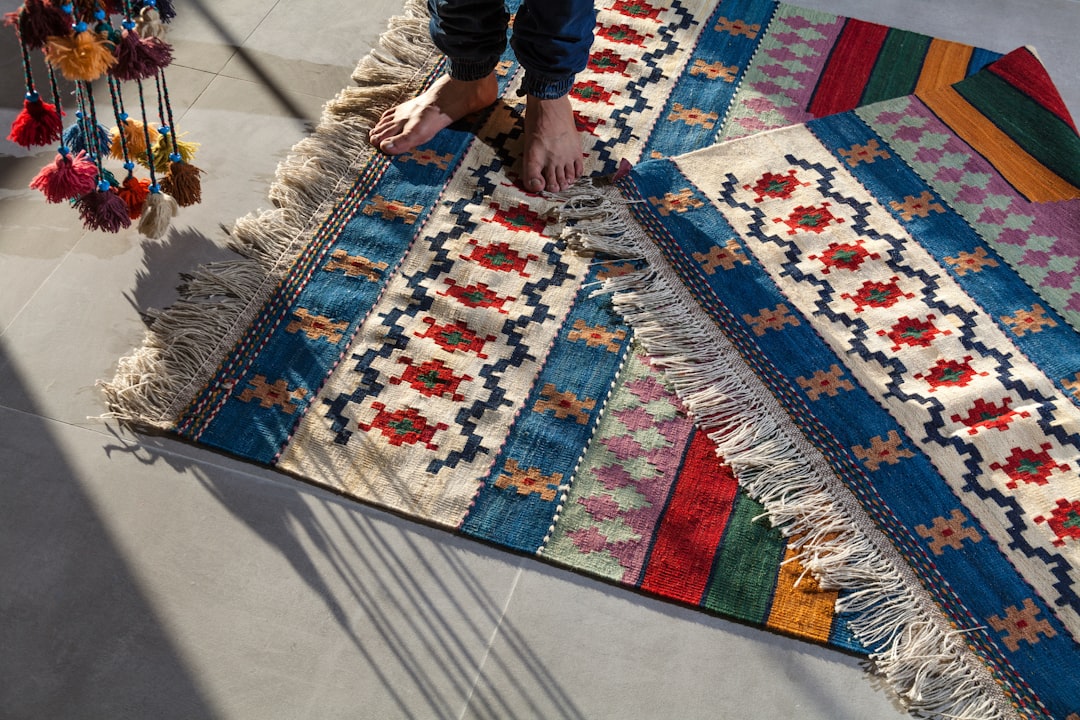
What is a Kilim Rug? Understanding the Basics of Flatweave Rugs is a question that has puzzled many rug enthusiasts for centuries. Kilim rugs, a type of flatweave rug, have been a staple in many cultures for thousands of years, with a rich history that spans across the Middle East, Europe, and Asia. In this article, we will delve into the history, construction, and benefits of kilim rugs, as well as provide guidance on how to care for and maintain them. For those looking to purchase a kilim rug, it’s essential to understand the different types of kilim rugs available, such as Kilim Rugs and Antique & Vintage Rugs, which can add a touch of elegance and sophistication to any room.
Understanding the Construction of Kilim Rugs
Kilim rugs are made using a specific type of weave called a flatweave, which involves interlacing warp and weft threads to create a flat, smooth surface. This type of construction makes kilim rugs incredibly durable and versatile, as they can be used in a variety of settings, from traditional to modern decor. The process of making a kilim rug is labor-intensive and requires great skill and patience, with weavers carefully threading the warp threads onto a loom and then weaving the weft threads through them to create an intricate pattern. This process can take several months to complete, depending on the size and complexity of the rug, with some kilim rugs taking up to 2-3 years to finish, and requiring around 10-20 hours of weaving per day.
The materials used to make kilim rugs also play a significant role in their construction. Kilim rugs are typically made from natural fibers such as wool, silk, or cotton, with wool being the most common material used. The choice of material depends on the desired texture and durability of the rug, with wool being durable and able to withstand heavy foot traffic, while silk is often used to create more delicate and intricate patterns. For example, a wool kilim rug can last for decades with proper care, while a cotton kilim rug may need to be replaced more frequently, with a lifespan of around 5-10 years.
Benefits of Owning a Kilim Rug
So, what are the benefits of owning a kilim rug? One of the primary advantages of kilim rugs is their durability, with many kilim rugs lasting for decades with proper care. Kilim rugs are also incredibly versatile, as they can be used in a variety of settings, from traditional to modern decor. Additionally, kilim rugs have a unique, flatweave design that is unlike any other type of rug, making them a great choice for those looking to add a touch of elegance and sophistication to their home. For more information on how to choose the right rug for your home, you can read Mastering Bedroom Rug Placement: A Guide to Perfecting the Art, which provides guidance on how to select the perfect rug for your bedroom.
In terms of maintenance, kilim rugs are relatively easy to care for, as they can be vacuumed and spot cleaned. However, it’s essential to have your kilim rug professionally cleaned every 2-3 years to keep it looking its best. For those looking to learn more about rug cleaning, you can visit Rug Cleaning, which provides information on the rug cleaning process and how to keep your kilim rug in top condition.
My Experience with Kilim Rugs
As a professional rug care specialist, I have had the pleasure of working with many different types of kilim rugs. One of the things that I have noticed is that kilim rugs are incredibly durable and can withstand heavy foot traffic. I have seen kilim rugs that are decades old and still look like new, with some kilim rugs even increasing in value over time, making them a great investment for those looking to purchase a high-quality rug. I have also had the opportunity to clean and restore many kilim rugs, which has given me a unique perspective on the construction and materials used to make these rugs. In my experience, kilim rugs are a great choice for anyone looking for a durable and unique rug, with many kilim rugs featuring intricate patterns and designs that are unlike any other type of rug.
In terms of maintenance, I have found that kilim rugs are relatively easy to care for, as they can be vacuumed and spot cleaned. However, it’s essential to have your kilim rug professionally cleaned every 2-3 years to keep it looking its best. I have also noticed that kilim rugs can be prone to fading if exposed to direct sunlight, so it’s essential to keep them out of direct sunlight to prevent fading, with some kilim rugs fading up to 20% in color after just 6 months of exposure to direct sunlight.
What to Look for When Buying a Kilim Rug
When buying a kilim rug, there are several things to look for. First, consider the material and construction of the rug, with kilim rugs made from natural fibers such as wool, silk, or cotton being the most durable. Look for rugs made from high-quality materials, with a tight and even weave, and check the size and shape of the rug to ensure it fits with your existing decor. Finally, consider the color and pattern of the rug, with kilim rugs available in a wide range of colors and patterns, making it easy to find one that fits with your personal style. For example, a Turkish kilim rug typically features bold, geometric patterns, while a Persian kilim rug features intricate, floral patterns, with some kilim rugs even featuring unique and intricate designs that are unlike any other type of rug.
It’s also essential to consider the history and cultural significance of the rug, with many kilim rugs having a rich history that spans across centuries. For example, Turkish kilim rugs have been made for centuries and are often used in traditional Turkish decor, while Persian kilim rugs are highly prized for their intricate patterns and are often used in luxury decor. By considering these factors, you can find a kilim rug that not only adds a touch of elegance and sophistication to your home but also has a rich history and cultural significance.
FAQ
What is the difference between a kilim rug and a regular rug?
A kilim rug is a type of flatweave rug that is made using a specific type of weave, whereas regular rugs are made using a variety of different weaves and materials. Kilim rugs are known for their unique, flatweave design and are often made from natural fibers such as wool, silk, or cotton. For more information on the different types of rugs available, you can read Understanding the Difference Between Antique and Vintage Rugs, which provides guidance on how to identify and distinguish between different types of rugs.
In terms of maintenance, kilim rugs are relatively easy to care for, as they can be vacuumed and spot cleaned. However, it’s essential to have your kilim rug professionally cleaned every 2-3 years to keep it looking its best, with some kilim rugs requiring more frequent cleaning due to their delicate nature, such as silk kilim rugs, which may need to be cleaned every 6-12 months.
How do I clean a kilim rug?
Kilim rugs can be vacuumed regularly to remove dirt and dust, with some kilim rugs featuring intricate patterns and designs that require more frequent vacuuming to prevent dust and dirt from accumulating. Spills should be cleaned up immediately to prevent staining, with some kilim rugs being more prone to staining than others, such as those made from silk or cotton. For more thorough cleaning, it’s recommended to have your kilim rug professionally cleaned every 2-3 years, with some kilim rugs requiring more frequent cleaning due to their delicate nature, such as silk kilim rugs, which may need to be cleaned every 6-12 months.
In terms of cleaning products, it’s essential to use a mild detergent and cold water, with some kilim rugs requiring specialized cleaning products to prevent damage to the materials or dyes. It’s also essential to avoid exposing kilim rugs to direct sunlight, as this can cause fading, with some kilim rugs fading up to 20% in color after just 6 months of exposure to direct sunlight.
Can kilim rugs be used in high-traffic areas?
Yes, kilim rugs can be used in high-traffic areas, as they are durable and can withstand heavy foot traffic. However, it’s essential to rotate the rug regularly to prevent uneven wear, with some kilim rugs requiring more frequent rotation due to their delicate nature, such as silk kilim rugs, which may need to be rotated every 3-6 months. Additionally, it’s essential to place a rug pad under the kilim rug to prevent slipping and to add extra cushioning, with some kilim rugs featuring intricate patterns and designs that require a specific type of rug pad to prevent damage to the rug.
In terms of maintenance, it’s essential to vacuum the kilim rug regularly to remove dirt and dust, with some kilim rugs featuring intricate patterns and designs that require more frequent vacuuming to prevent dust and dirt from accumulating. Spills should be cleaned up immediately to prevent staining, with some kilim rugs being more prone to staining than others, such as those made from silk or cotton.
Conclusion
In conclusion, kilim rugs are a unique and beautiful type of rug that can add a touch of elegance and sophistication to any room. With their rich history and cultural significance, kilim rugs are a great choice for anyone looking for a durable and unique rug. By considering the material, construction, and history of the rug, as well as the benefits and maintenance requirements, you can find a kilim rug that meets your needs and adds a touch of elegance to your home. Whether you’re looking for a traditional Turkish kilim rug or a modern Persian kilim rug, there’s a kilim rug out there for you, with many kilim rugs featuring intricate patterns and designs that are unlike any other type of rug.
Sources:
Wikipedia – Kilim
Britannica – Kilim Rug
