


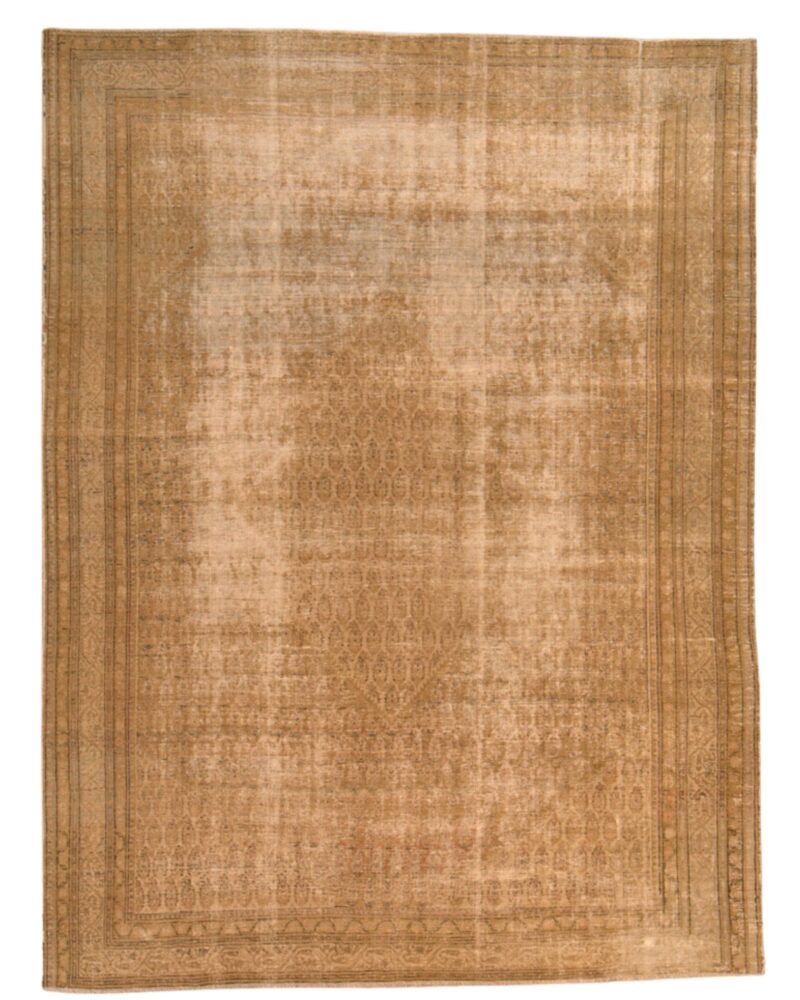
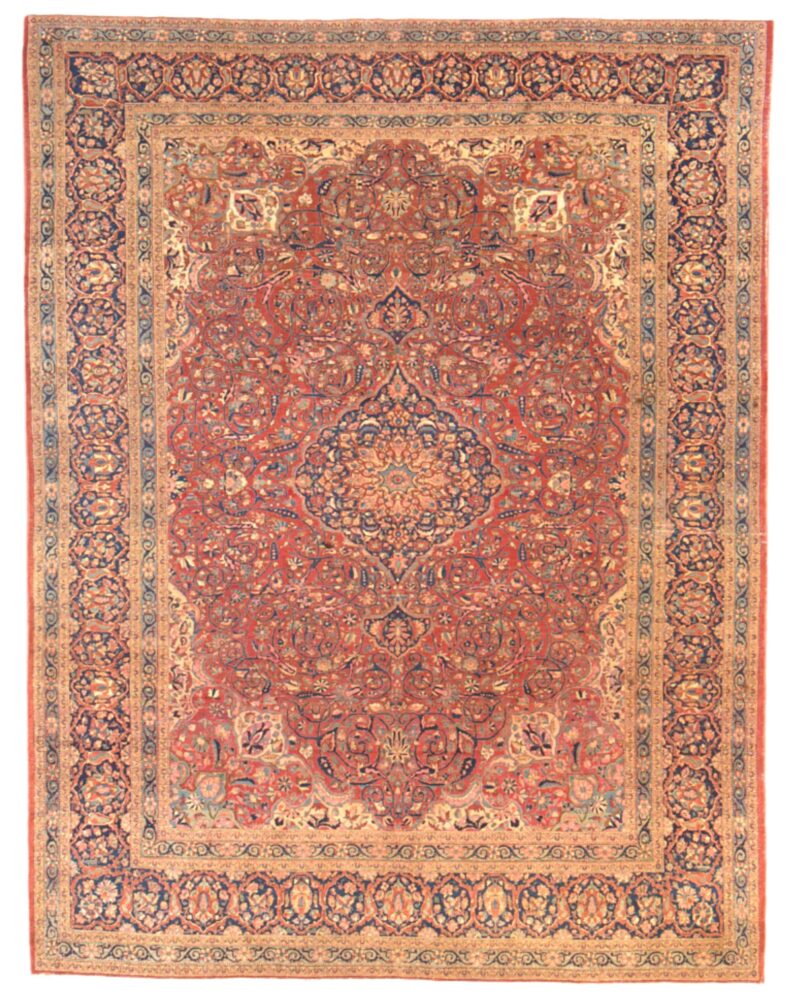
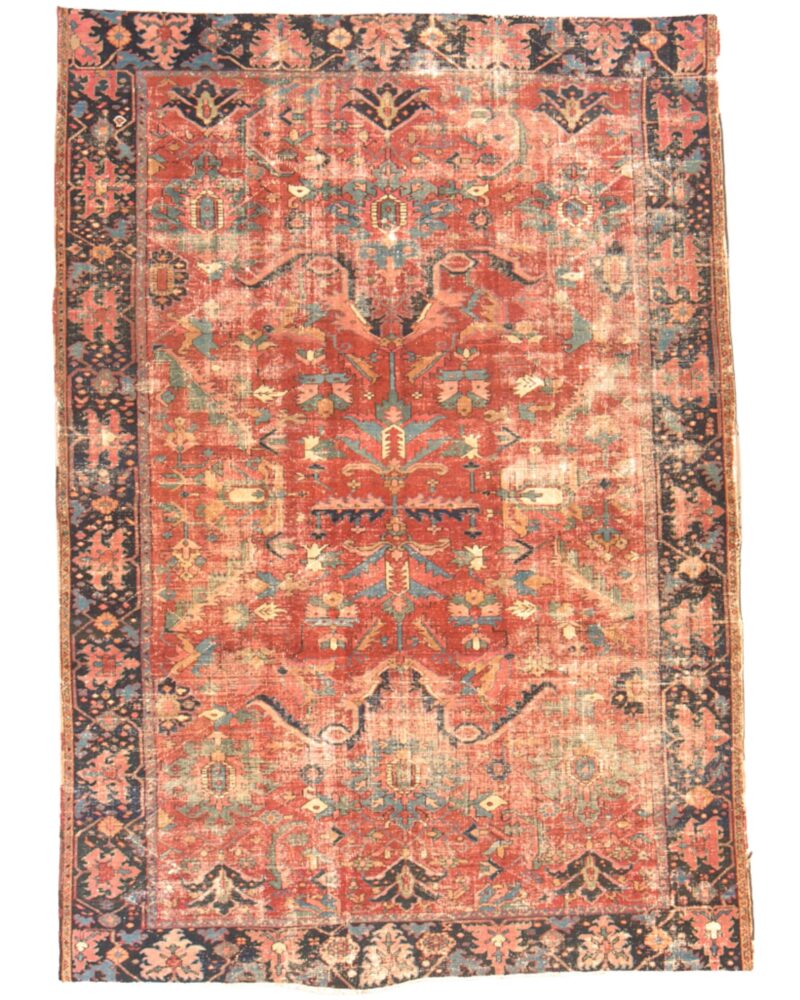
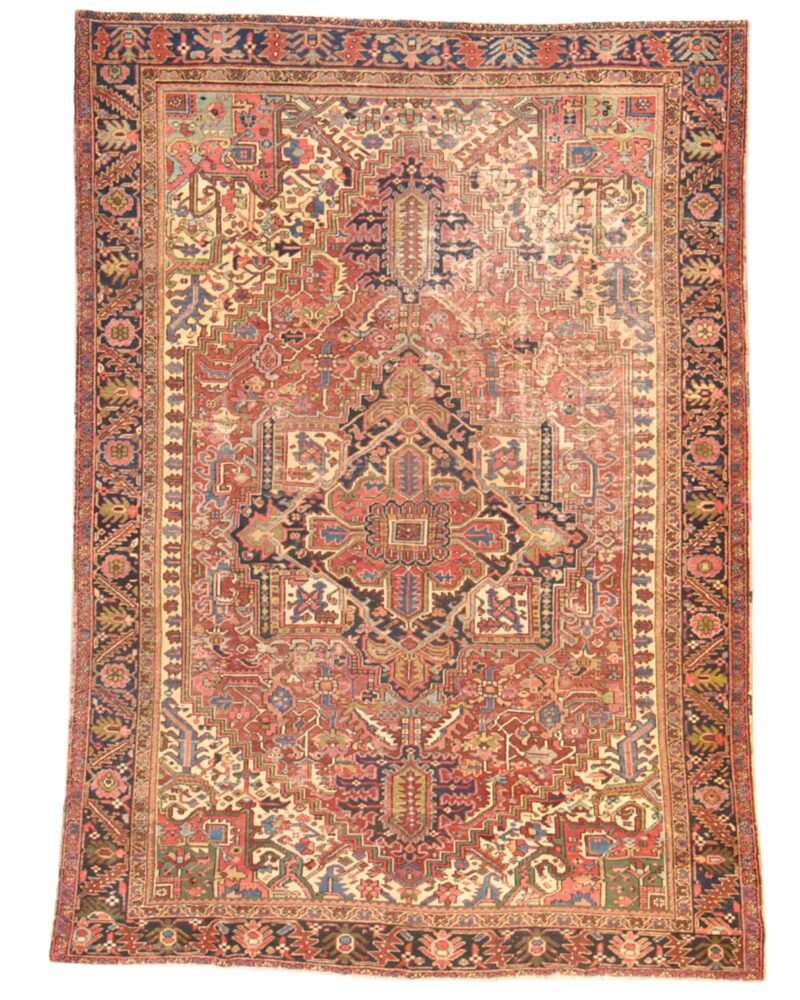
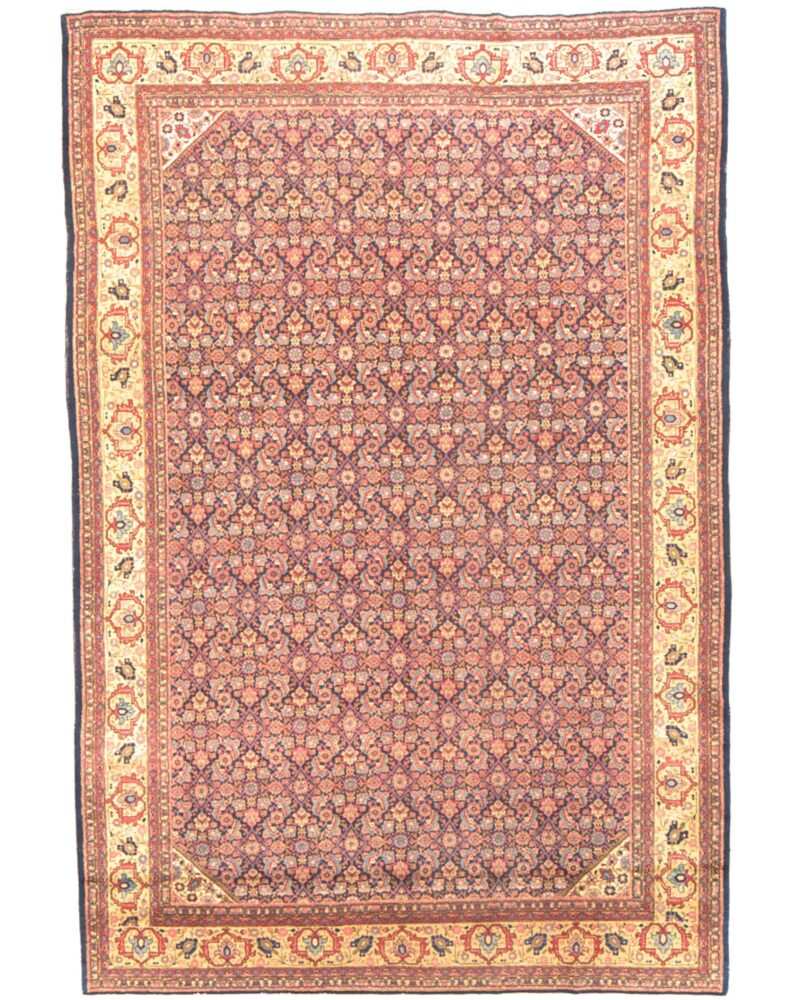
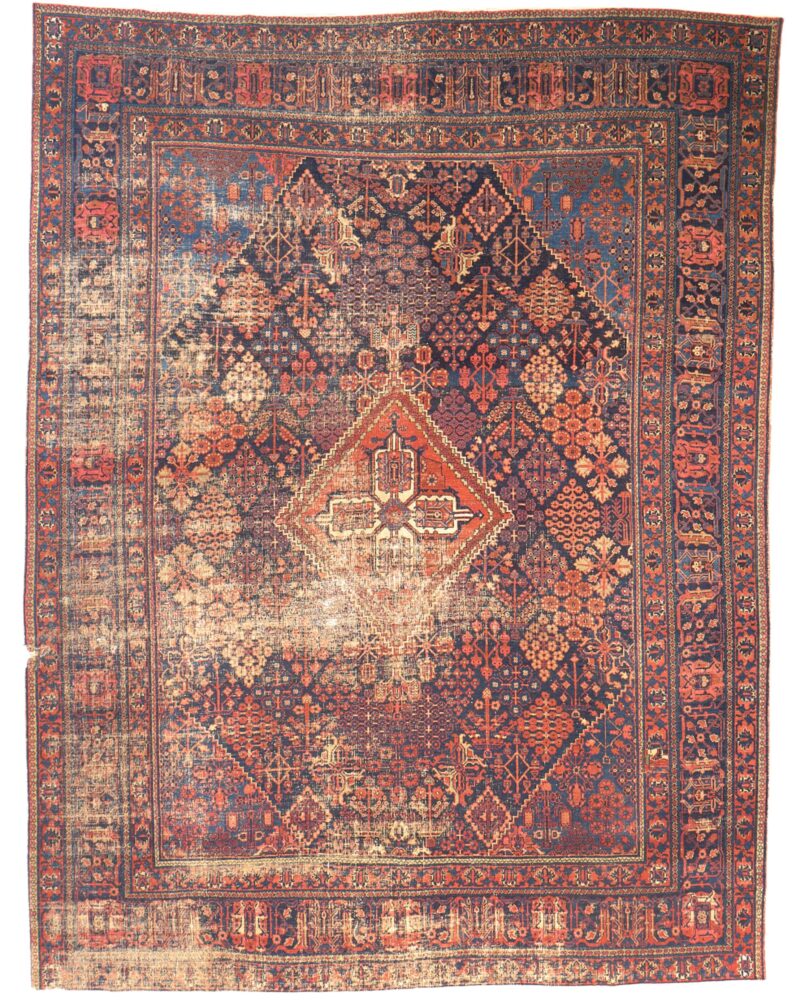
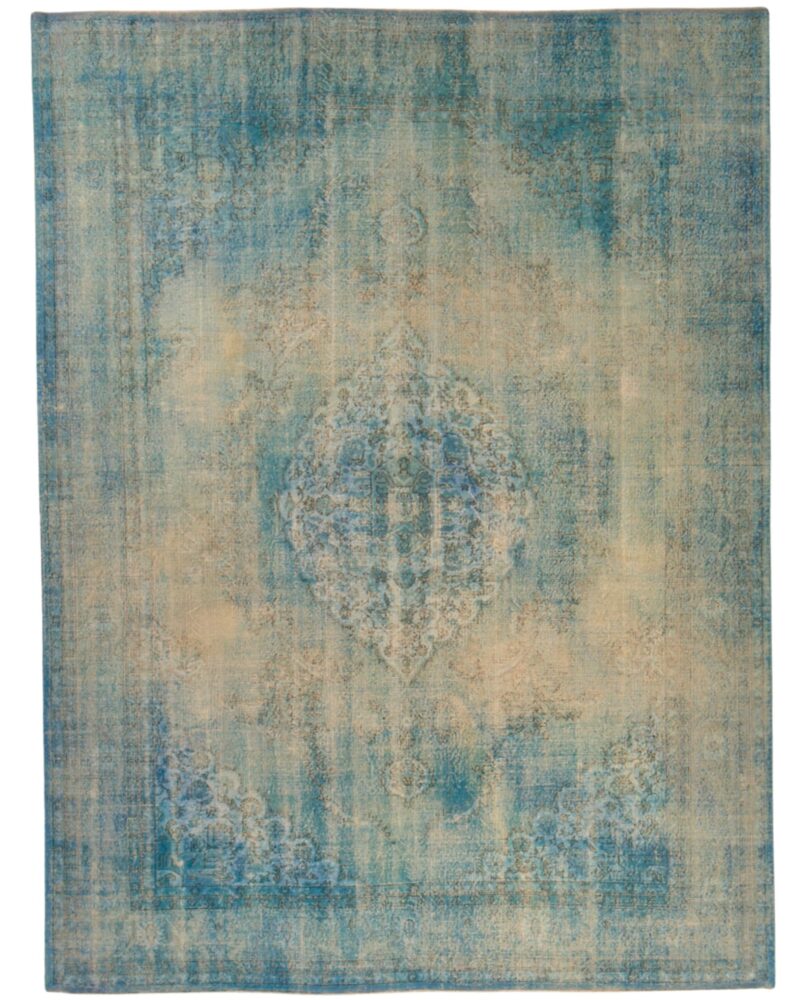
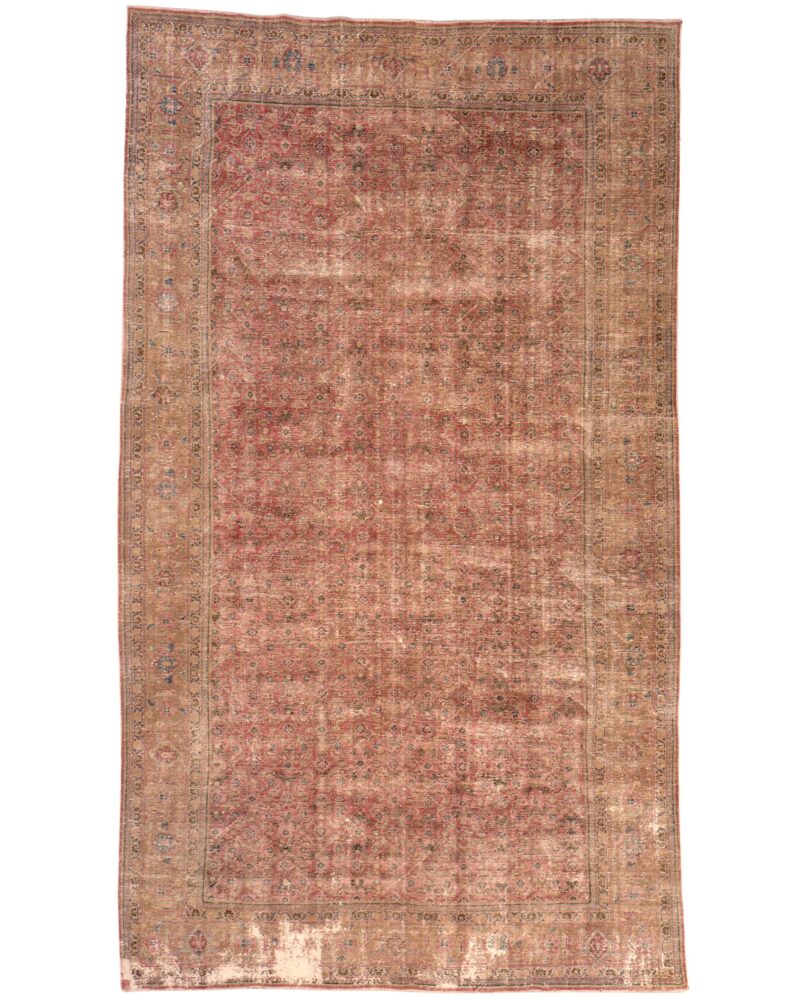
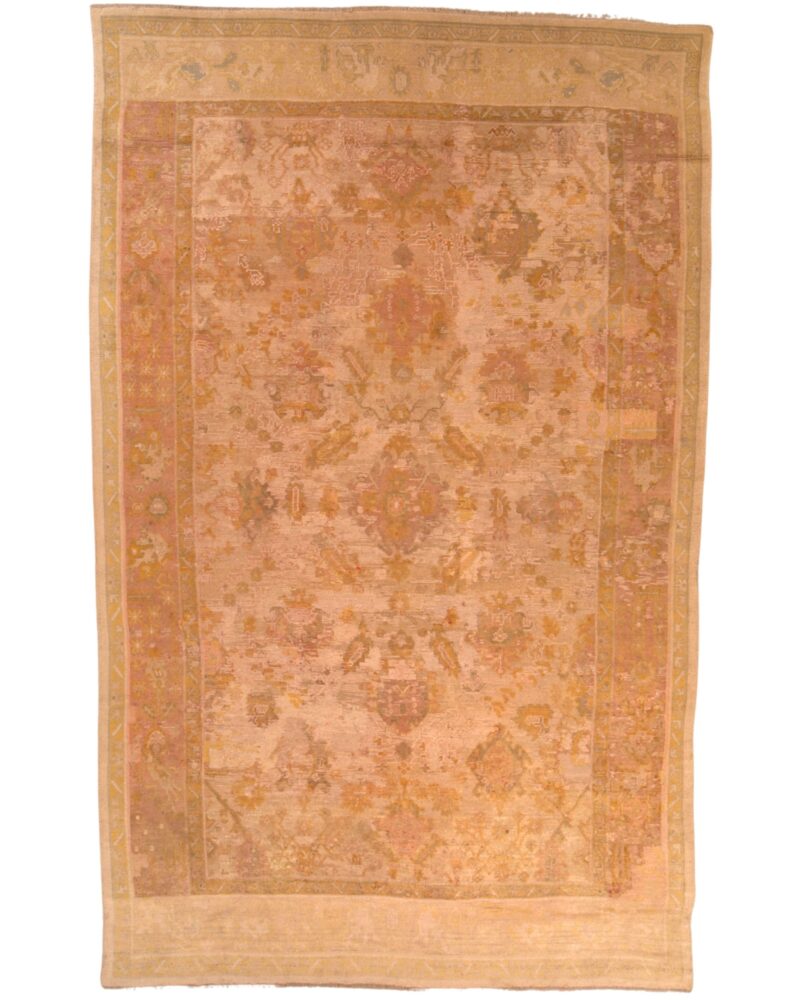
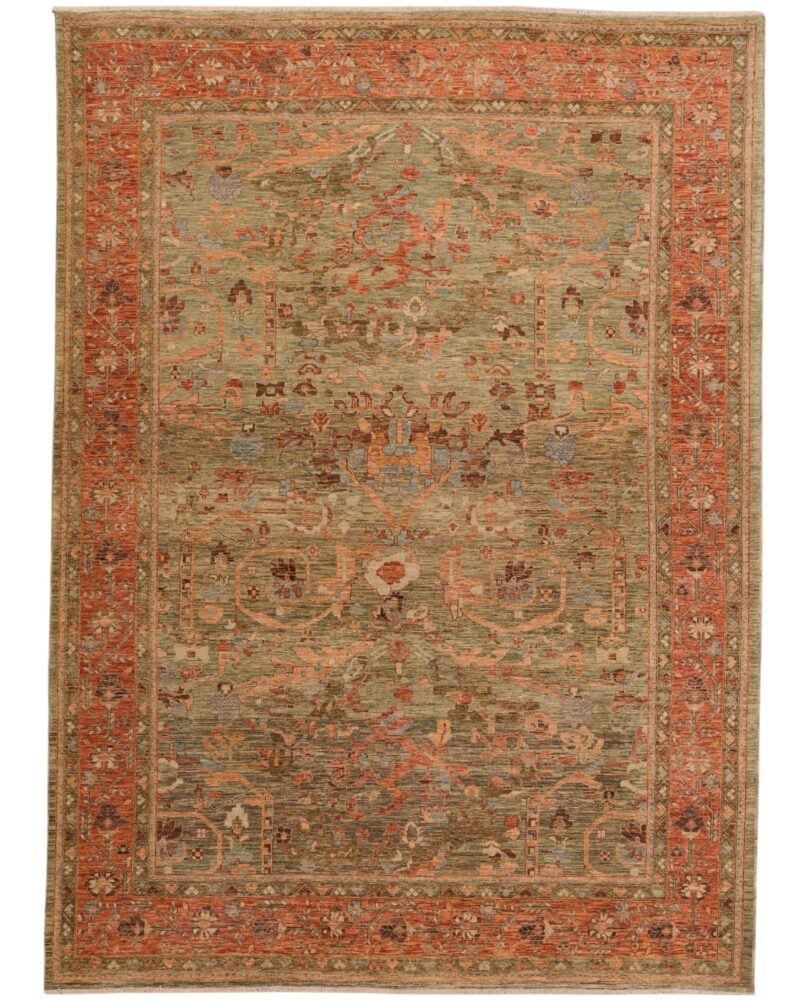
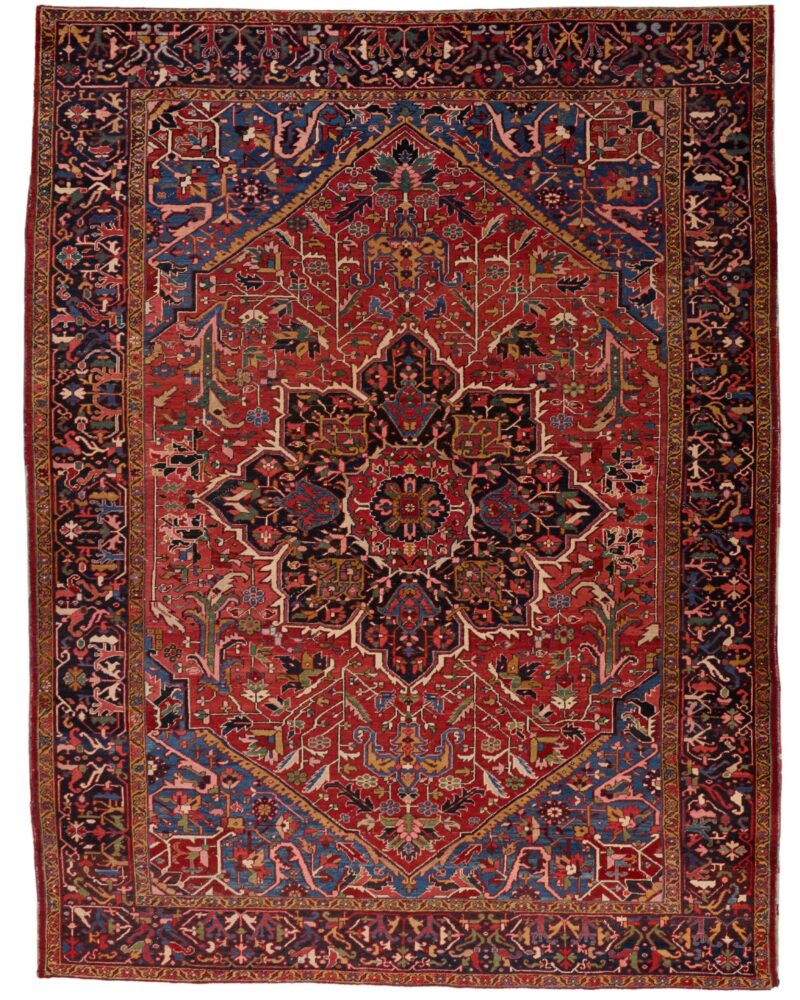
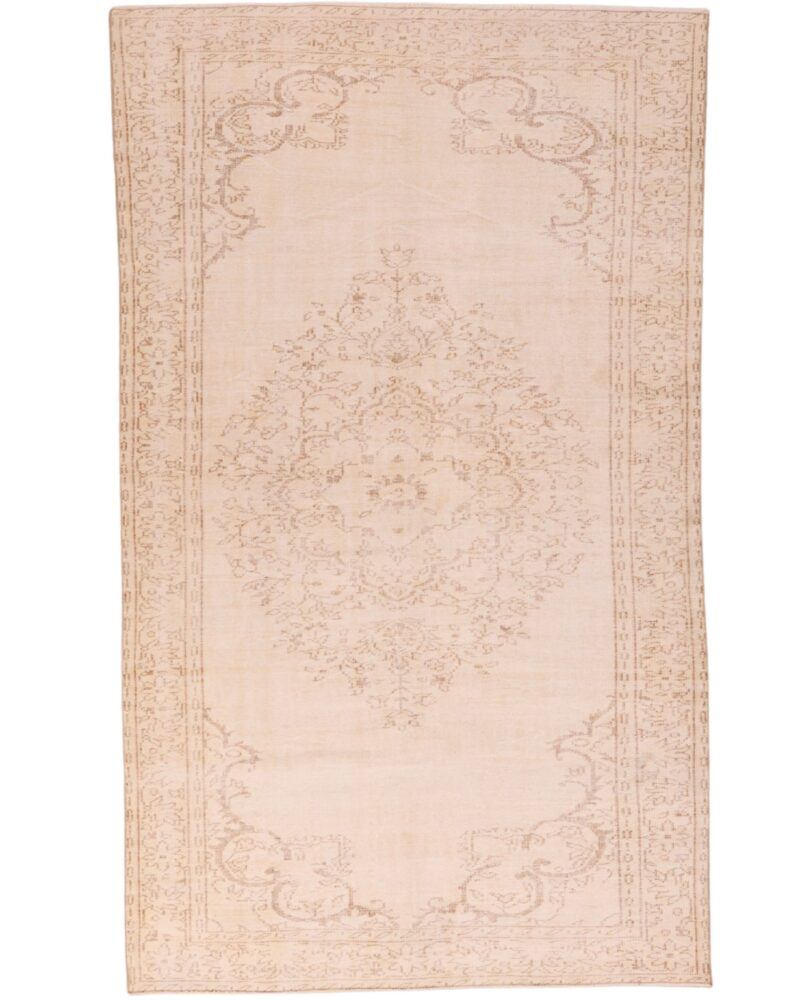
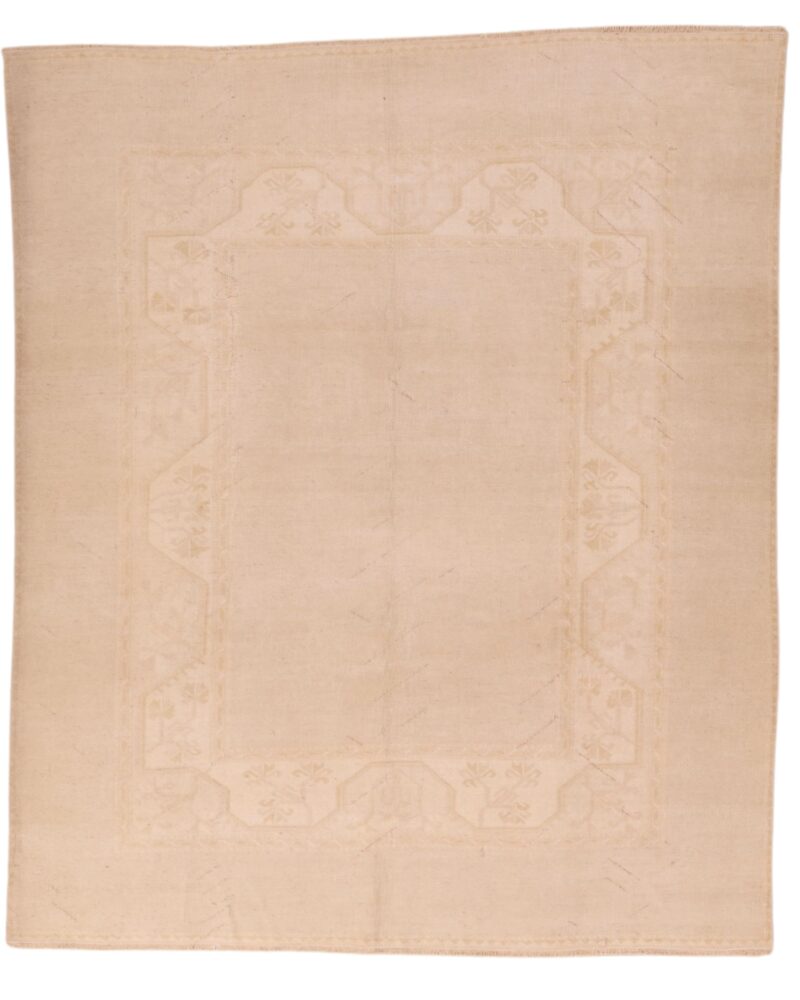
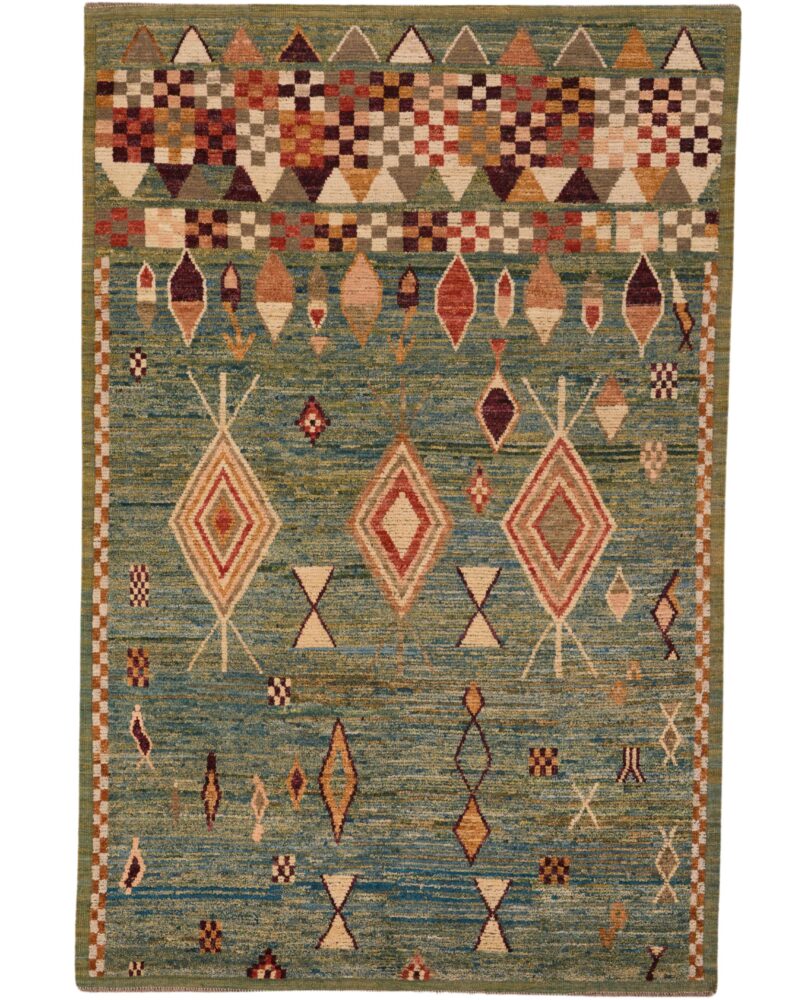
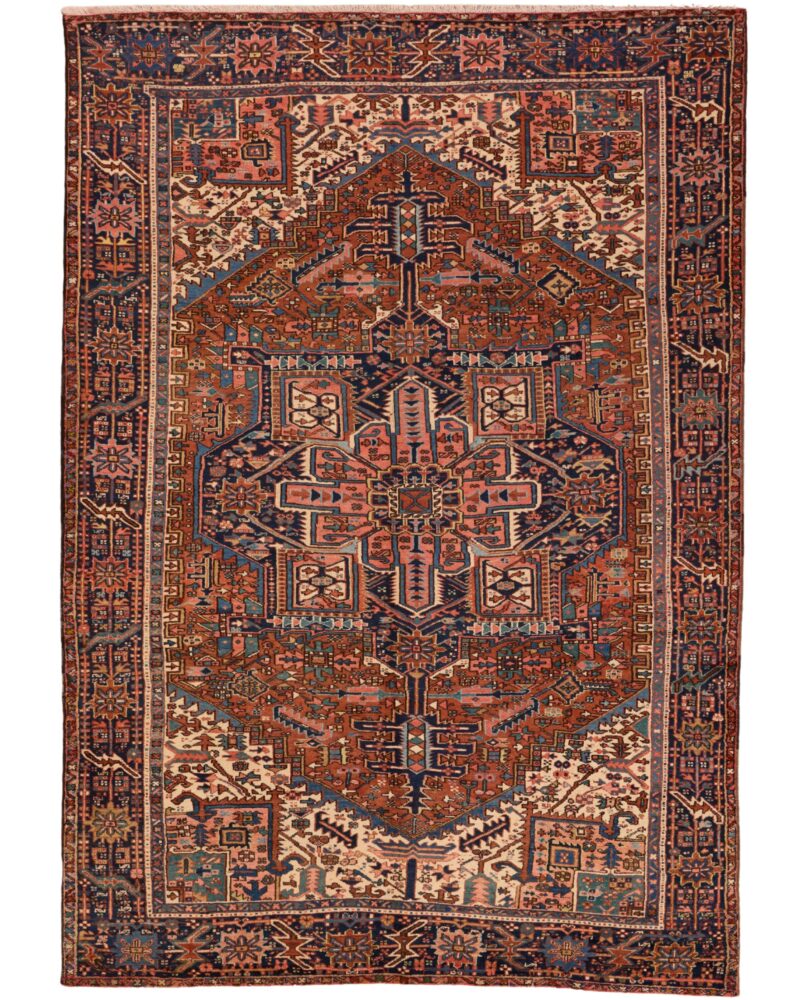
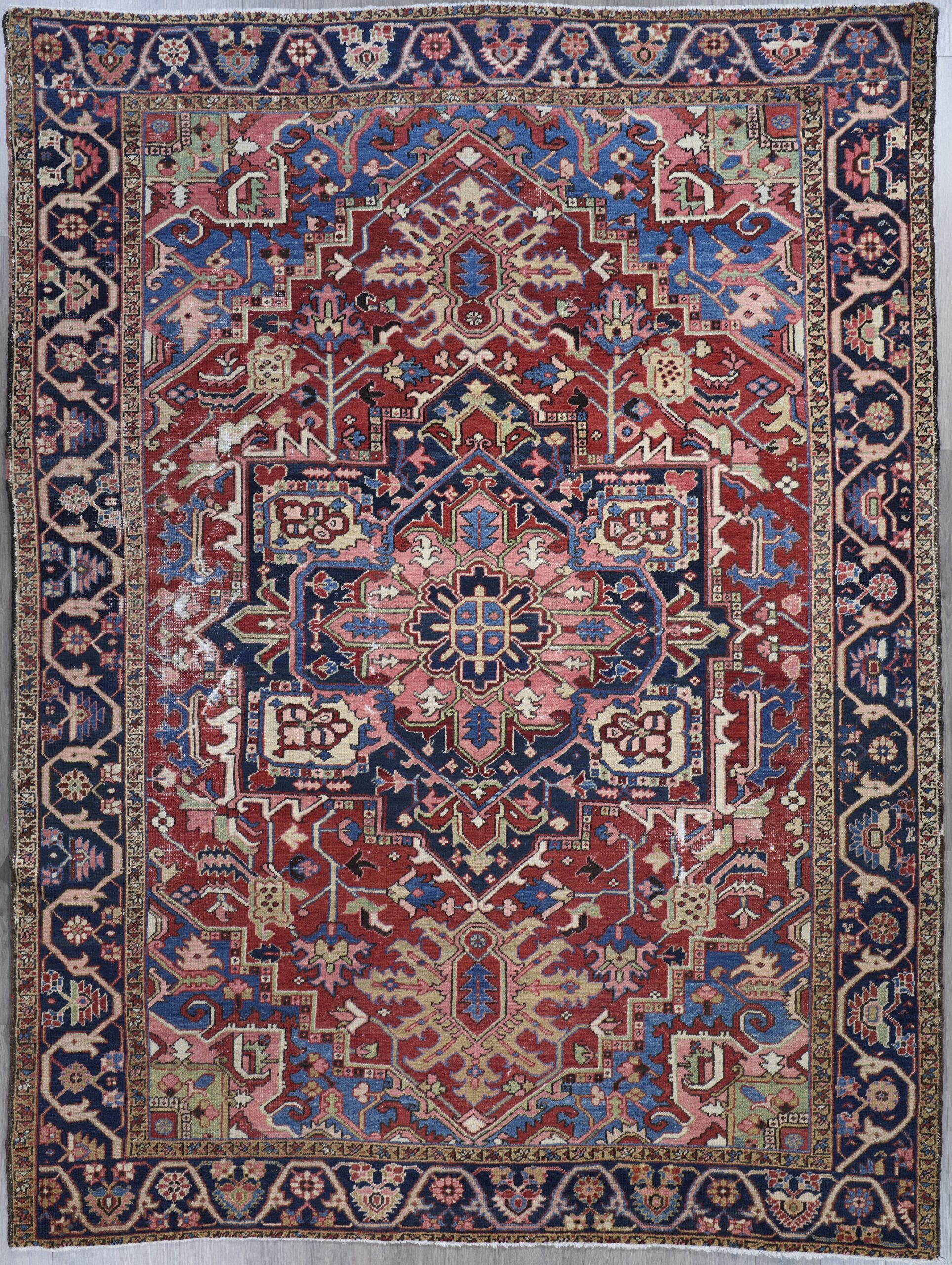
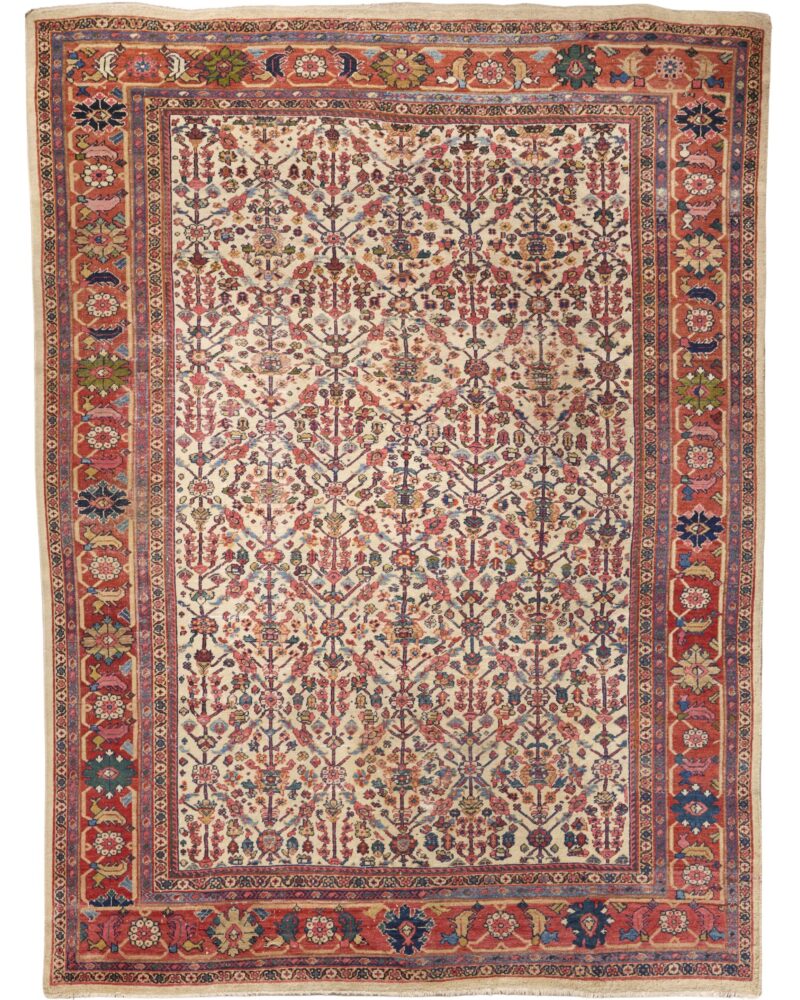
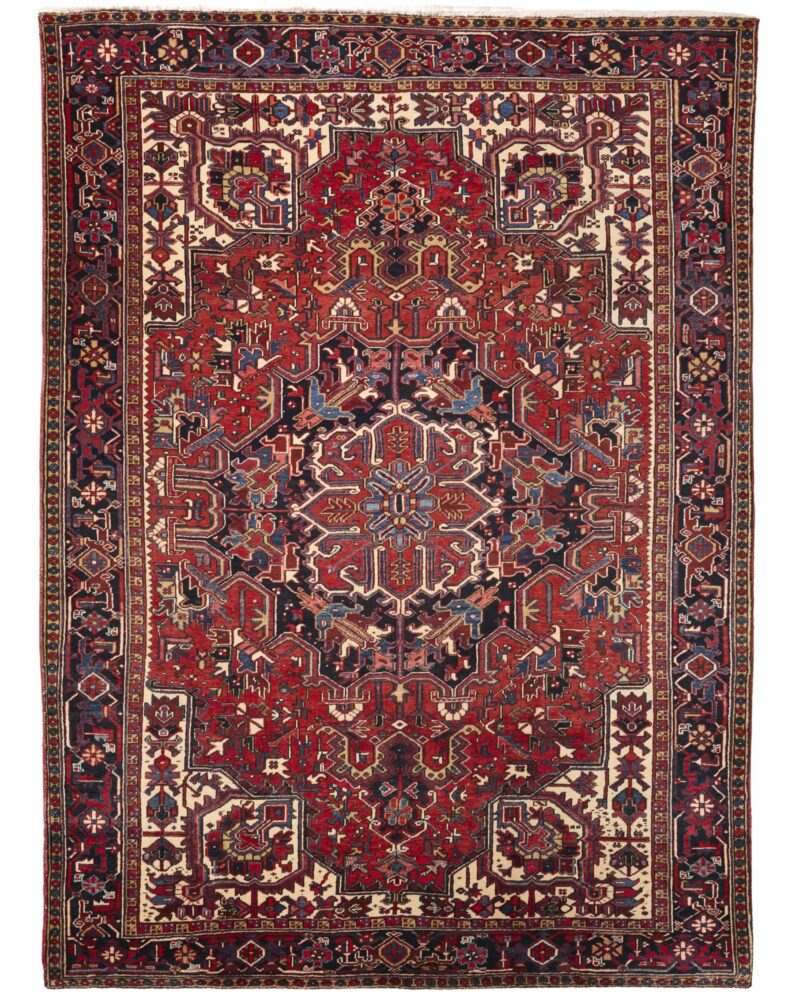
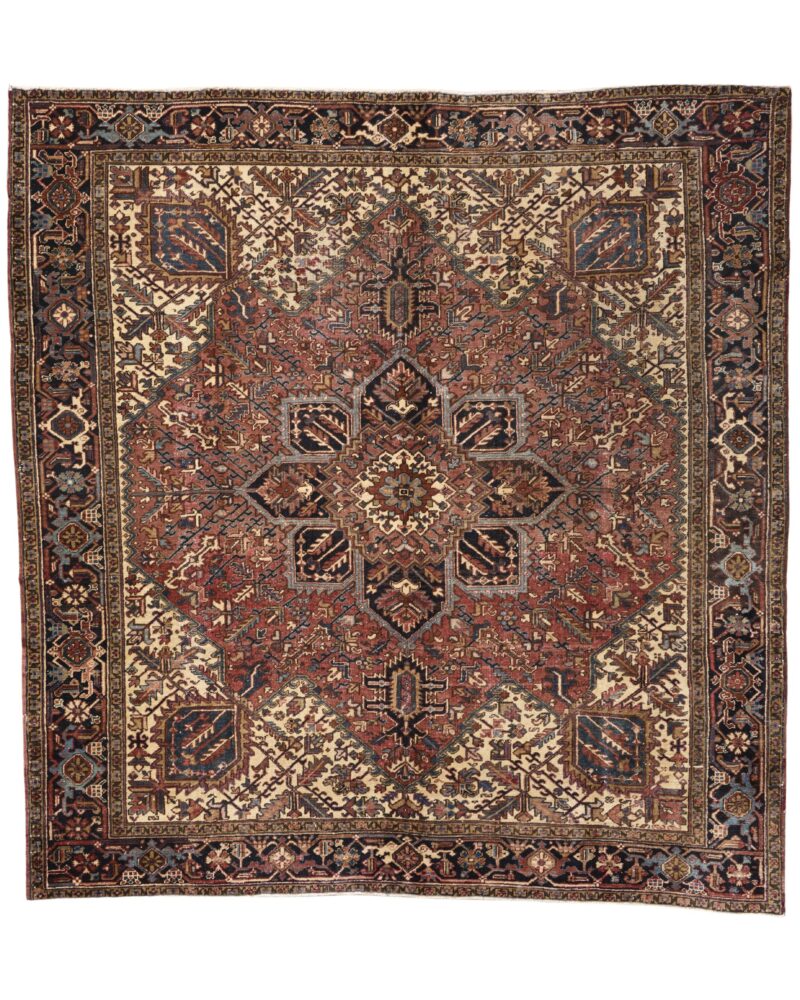
Antique Vintage rugs are hand-knotted pieces made decades or generations ago in Persia, Turkey, and nearby weaving regions. Natural wool, vegetable dyes, and aged patina define the style. The tradition grew from village workshops and city looms that served homes, mosques, and palaces. Antique Vintage rugs suit collectors, traditional and eclectic homes, and buyers who want one-of-a-kind character. Our Colorado team cleans and restores rugs like these every week.
What Defines Antique Vintage Rugs?
Antique Vintage rugs use hand-knotted construction on cotton or wool foundations. Weavers tie symmetrical (Turkish) or asymmetrical (Persian) knots by hand, one at a time. Pile height typically runs 0.25 to 0.5 inch, and many older pieces wear lower after decades of use. Wool is the standard pile fiber, and aged wool develops a soft, lustrous hand. Fine pieces often count 80 to 200 knots per square inch.
Antique Vintage rugs show the palettes and motifs of their home regions. Persian Heriz and Serapi rugs favor bold medallions, angular florals, and brick red with indigo. Kashan rugs lean toward dense floral medallions on deep reds and blues. Farahan and Sultan Abad designs use repeating Herati or allover patterns in rust, navy, and soft green. Turkish Oushak rugs offer looser drawing and muted terracotta, gold, and sage. Moroccan designs bring open fields and geometric accents.
Which Features Matter Most in Antique Vintage Rugs?
Antique Vintage rugs reward buyers who check a few construction and condition details before choosing.
- Material: hand-spun wool pile, usually on a cotton foundation, with natural or early dyes
- Pile height: typically 0.25 to 0.5 inch, often lower on well-used older rugs
- Durability: often decades of service in living areas when the foundation stays sound
- Size range: from about 3 x 5 feet to oversized room carpets of 10 x 14 feet and larger
- Care level: moderate, with regular vacuuming, rotation, and professional washing every few years
Antique Vintage Rug Quick Facts
| Attribute | Typical value | Why it matters |
|---|---|---|
| Construction | Hand-knotted, typically 80 to 200 knots per square inch | Higher density usually holds detailed patterns and wears longer. |
| Pile fiber | Typically wool on a cotton or wool foundation | Wool resists soil, springs back, and ages gracefully. |
| Pile height | Typically 0.25 to 0.5 inch | Low pile cleans easily and suits furniture placement. |
| Age | Typically 40 to 130 years old | Age shapes patina, value, and the repair needs to expect. |
| Common sizes | Typically 6 x 9 to 10 x 14 feet | Larger formats anchor living and dining rooms. |
How Do You Style Antique Vintage Rugs at Home?
Antique Vintage rugs work well in living rooms, dining rooms, entryways, and bedrooms. They pair naturally with traditional, transitional, farmhouse, and mountain-lodge decor. Warm reds and indigos suit dark wood and leather. Softer Oushak tones sit well with linen, pale walls, and brass. Pull one accent color from the rug into pillows or art, and keep the other furnishings quieter.
Antique Vintage rugs need correct sizing to look intentional. In a living room, leave all sofa legs on the rug, or at least the front legs. Under a dining table, extend the rug 24 inches past each edge so chairs stay on it. Keep 8 to 18 inches of bare floor around the walls. Add a quality pad from our rug padding range to protect the foundation and prevent slipping. For a bolder, more tribal mood, browse our tribal rugs.
Frequently Asked Questions
How do I choose the right size Antique Vintage rug?
Antique Vintage rugs should fit the furniture layout first. Measure the seating or dining area, then choose a rug that holds at least the front legs of every piece. An 8 x 10 foot rug suits most living rooms, while a 9 x 12 foot rug suits larger rooms and dining tables.
How do I clean and care for an Antique Vintage rug?
Antique Vintage rugs need gentle, regular care. Vacuum without a beater bar, rotate the rug twice a year, and blot spills at once. Wash by a specialist every three to five years. Our rug cleaning service tests dyes first and cleans by hand to protect aged wool.
Are Antique Vintage rugs durable enough for daily use?
Antique Vintage rugs are durable when the foundation and knots remain sound. Many have served for decades in busy rooms. Dense wool pile resists crushing and soil well. Avoid placing them in wet areas or direct sun, and repair fringe or edge damage early to prevent larger problems.
How can I tell a handmade Antique Vintage rug from a machine-made copy?
Antique Vintage rugs that are handmade show slight irregularities in pattern and knot size. Flip the rug over: the design appears clearly on the back, with visible individual knots. Machine-made copies show uniform, mechanical weaves, glued or sewn fringe, and a latex or fabric backing.