


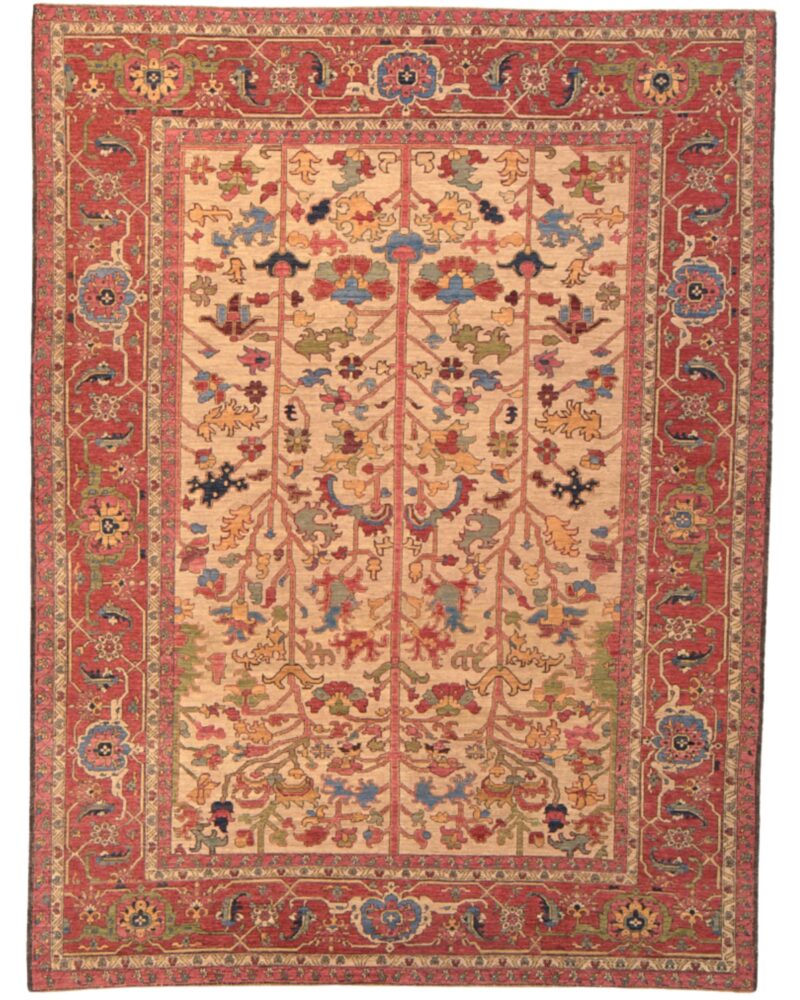
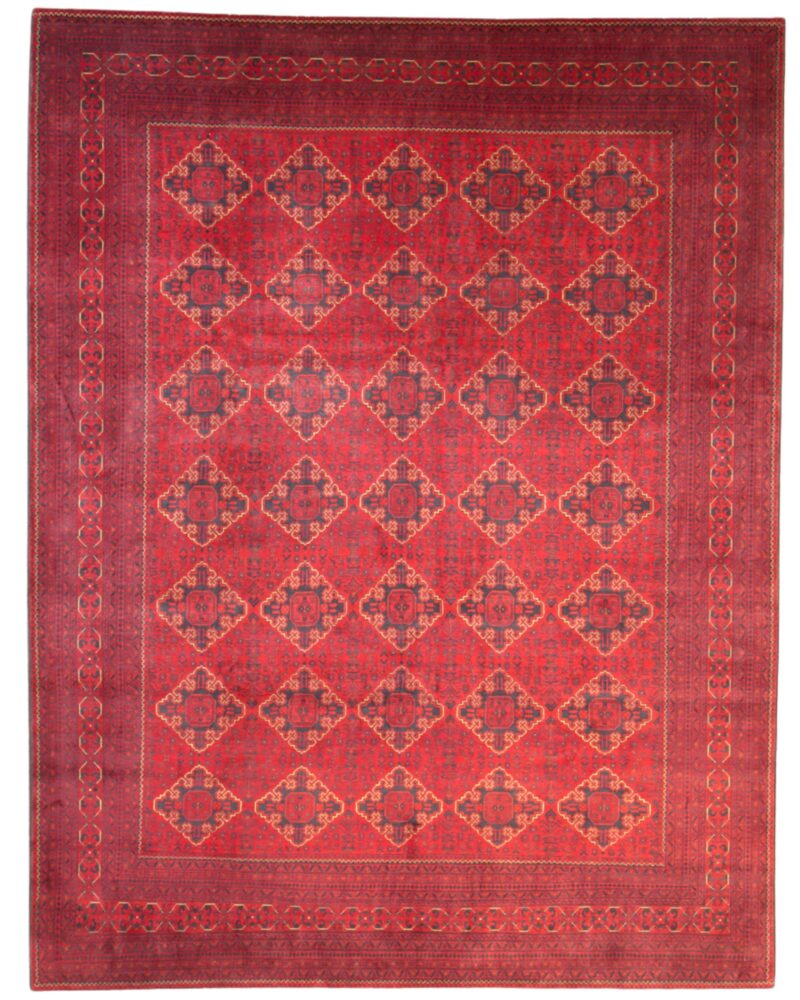
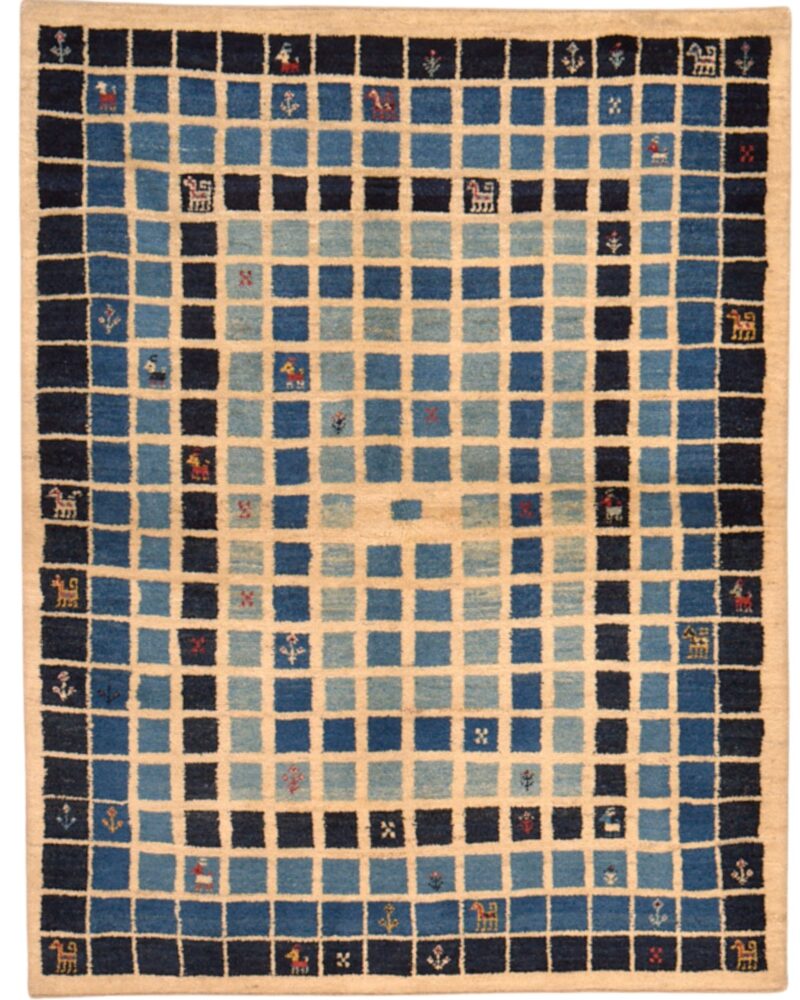
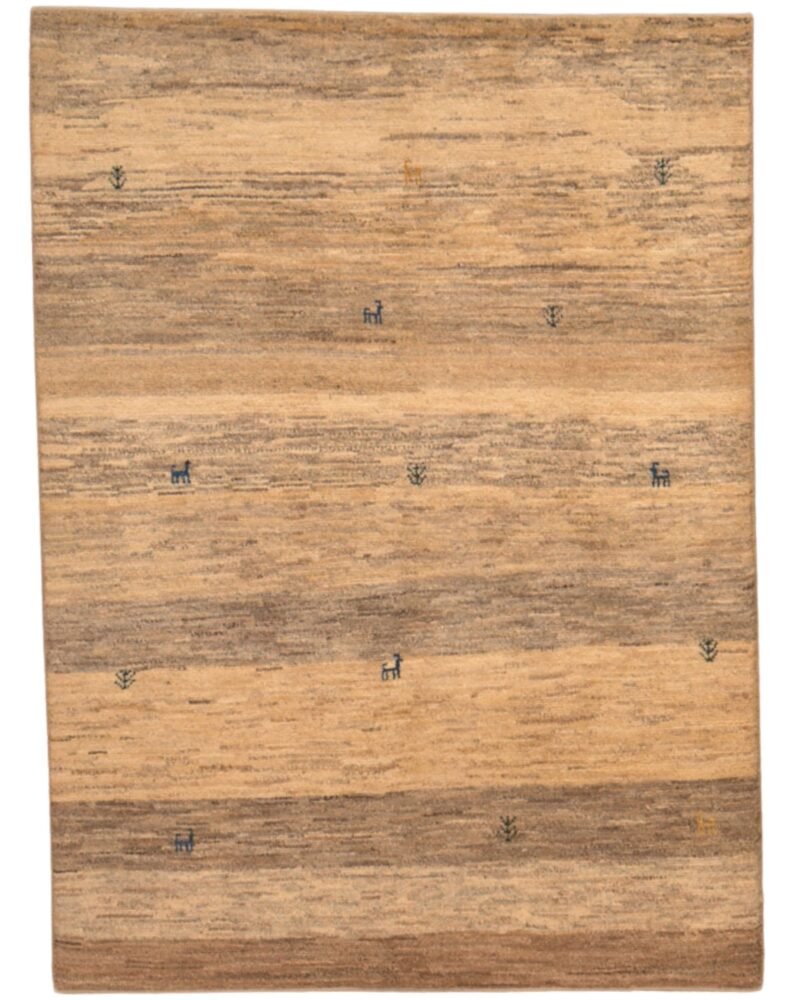
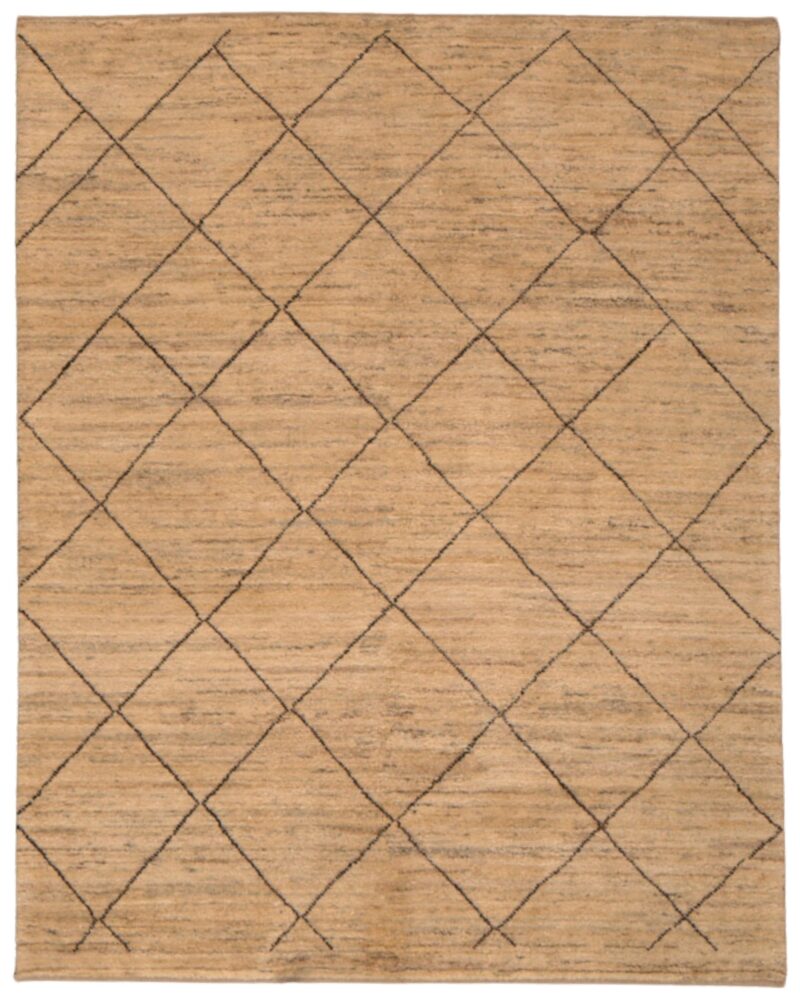
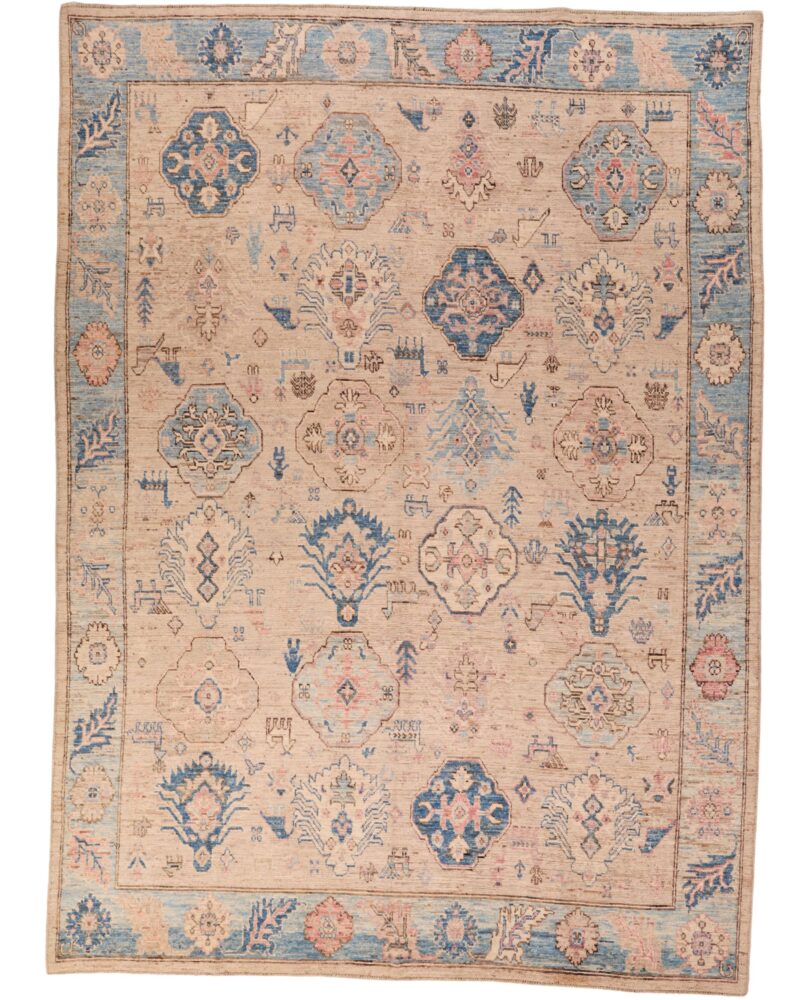
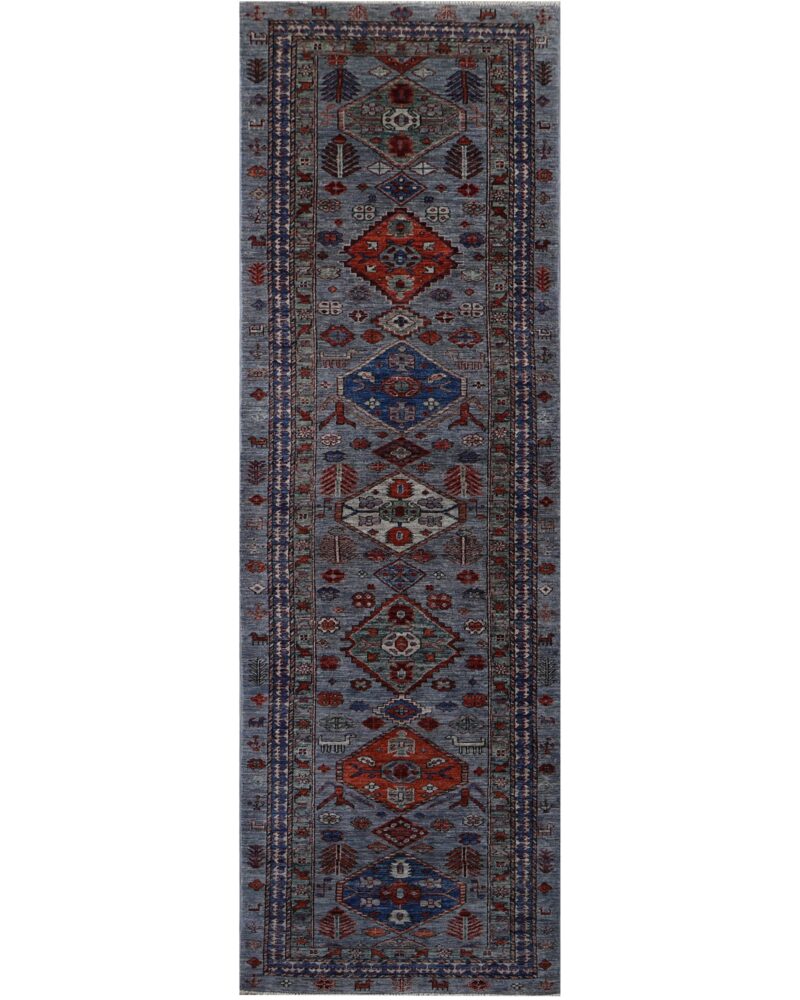
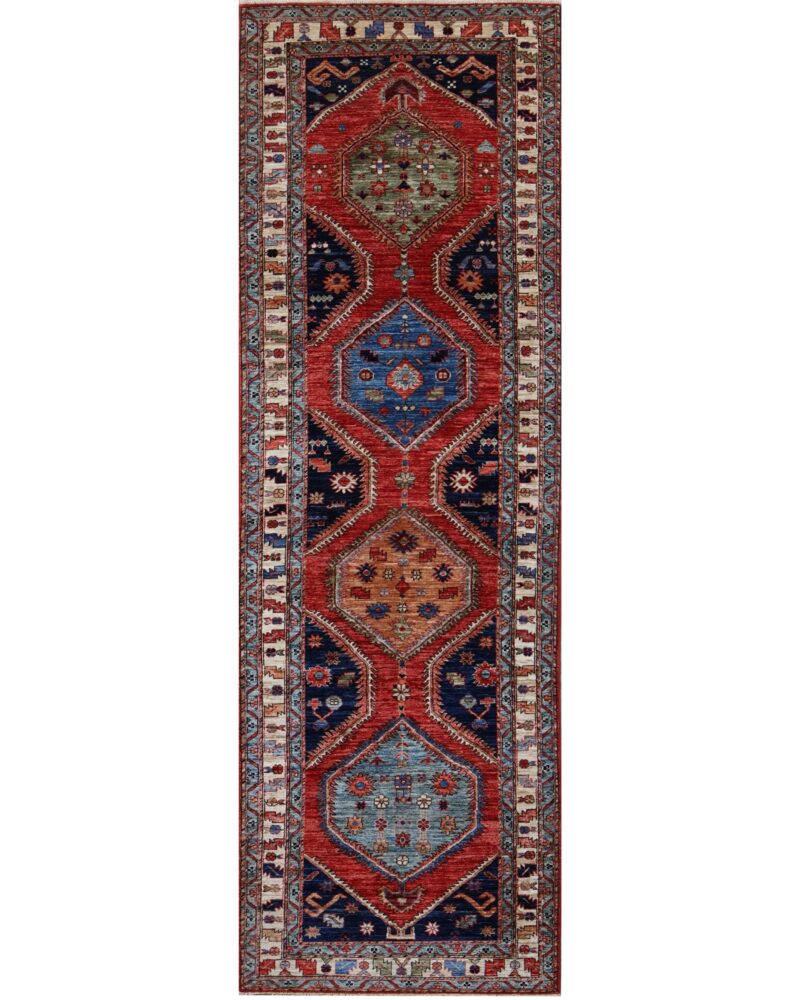
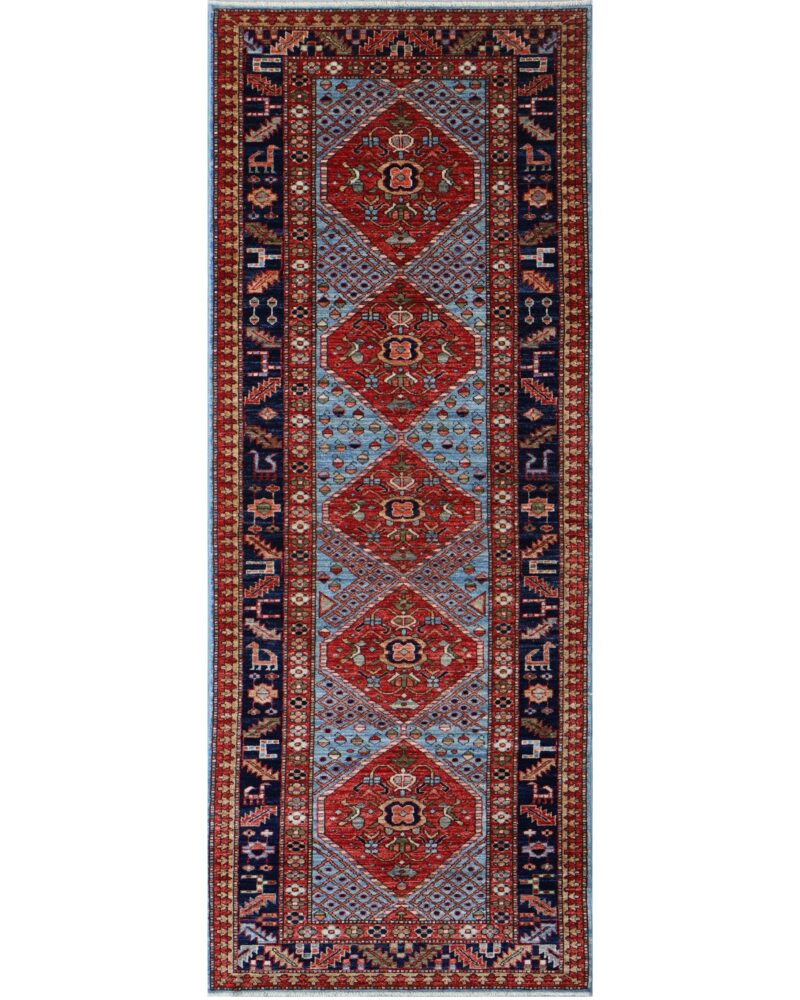
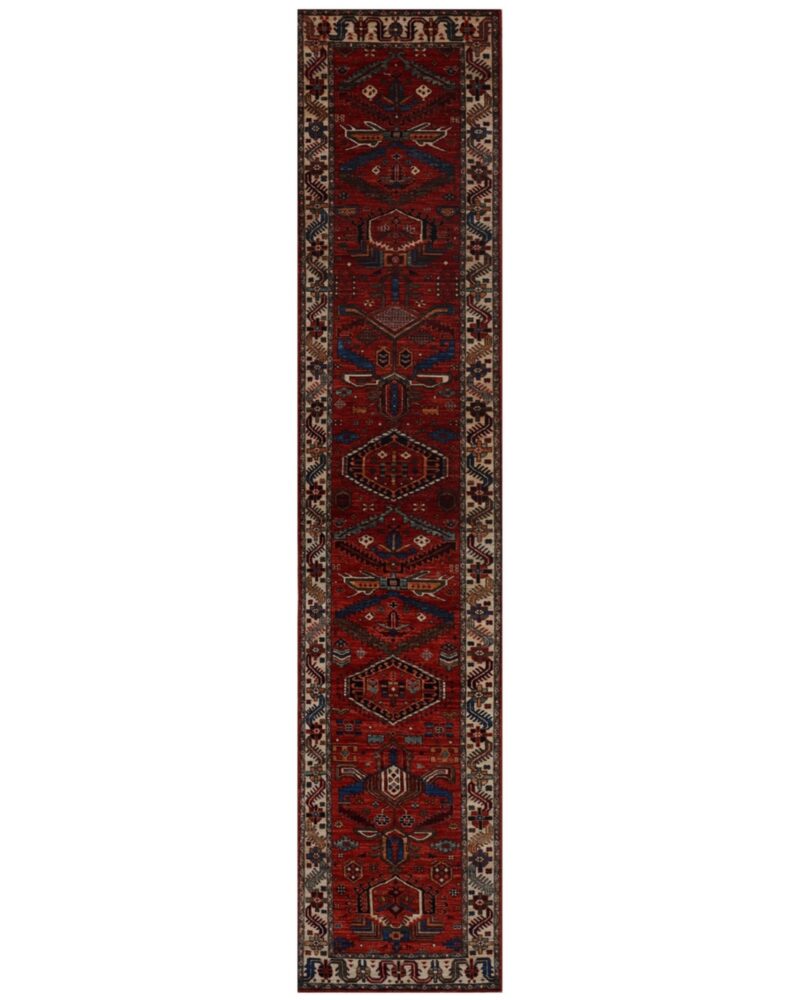
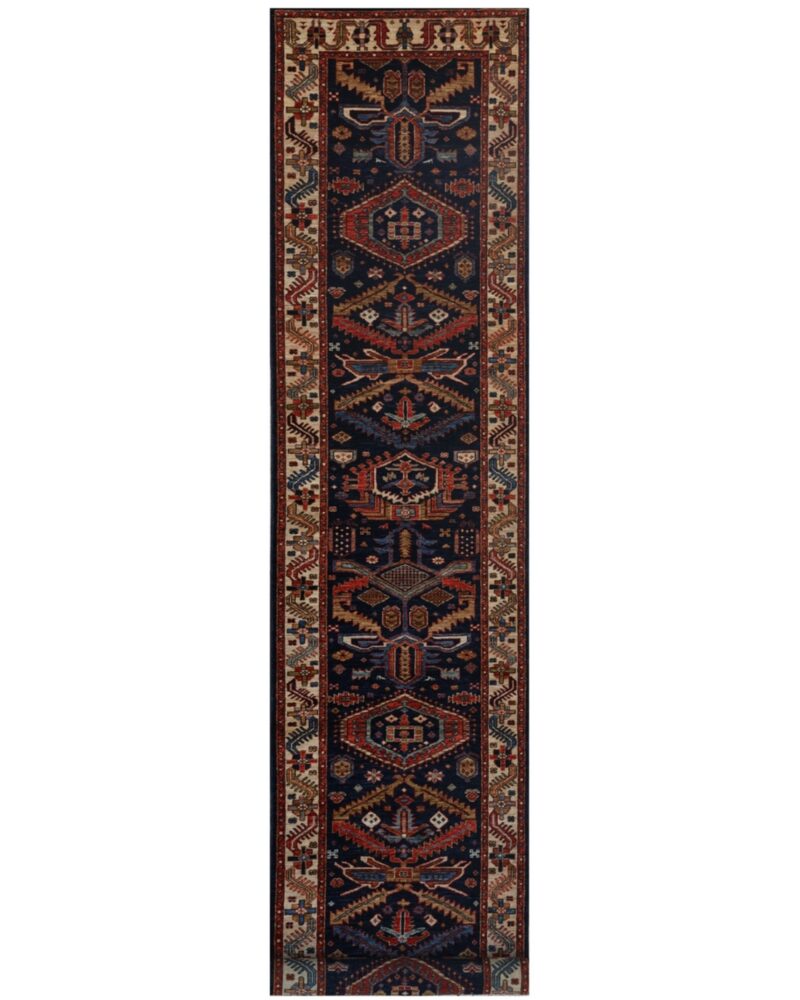
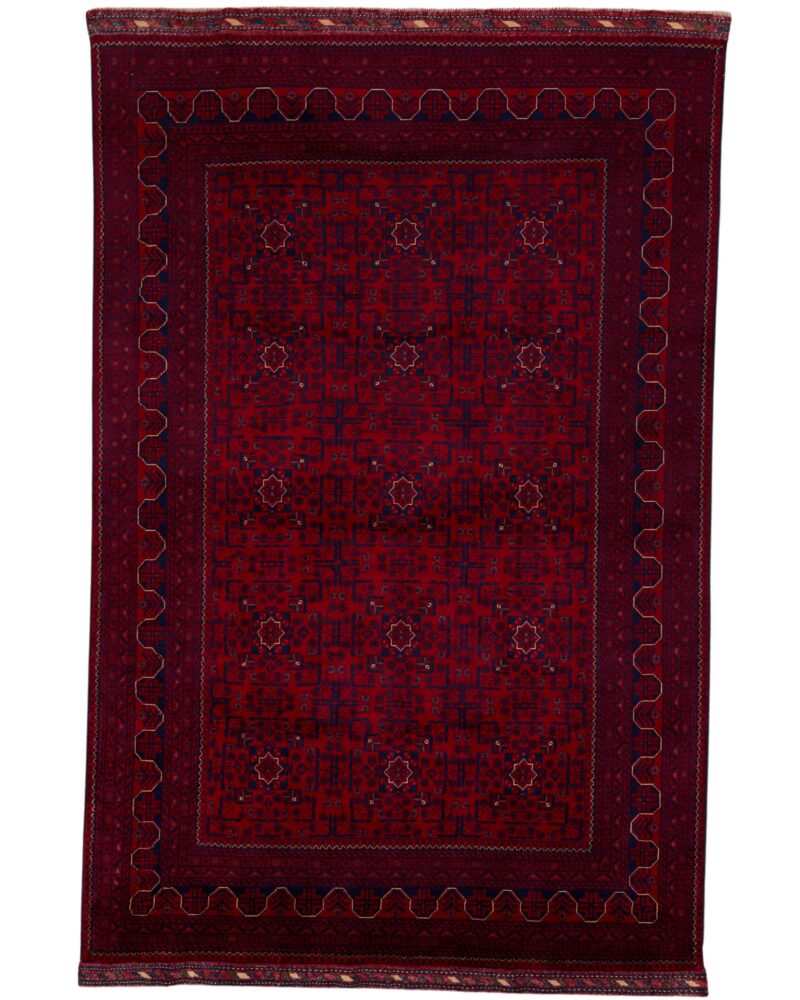
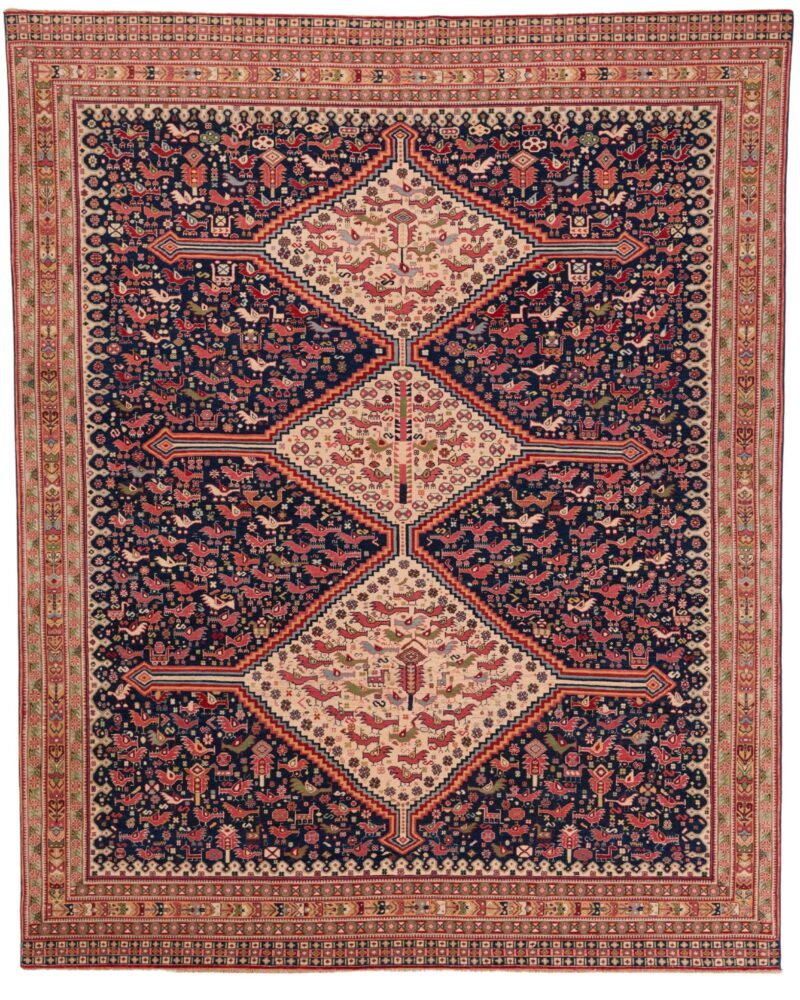
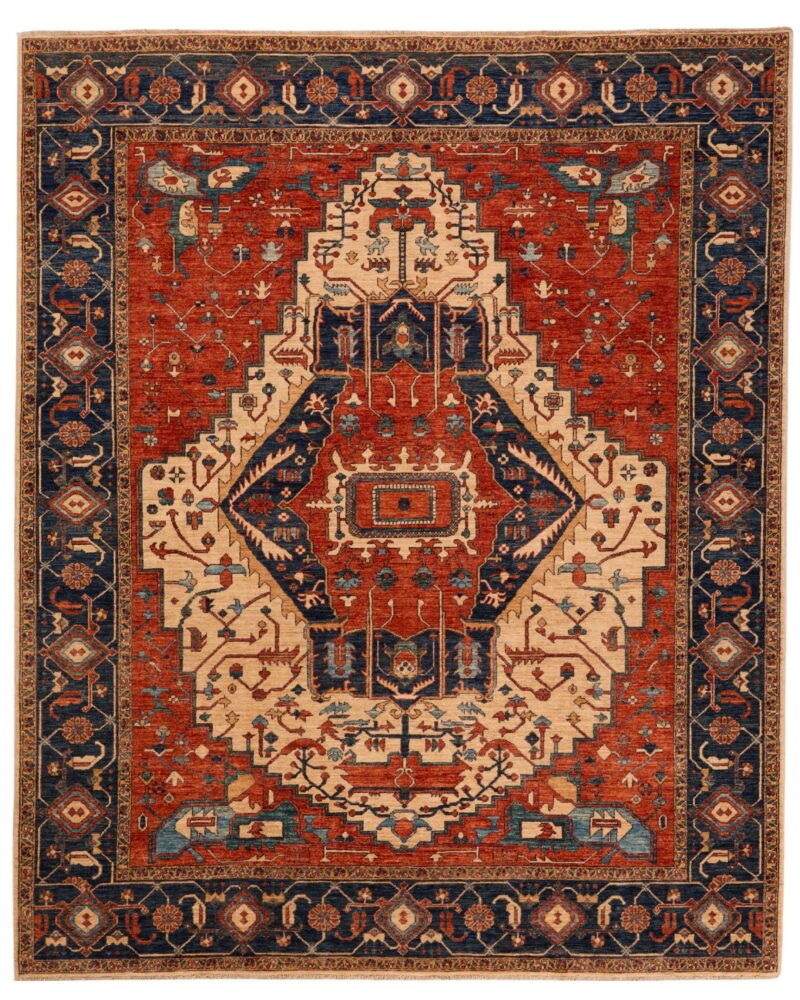
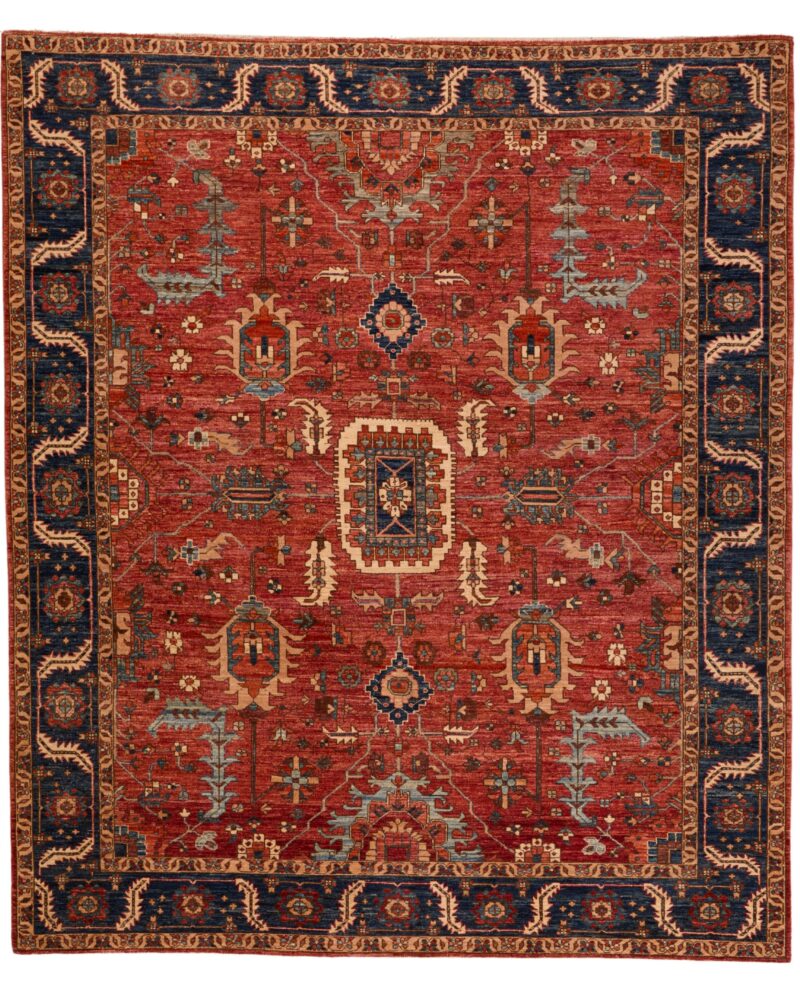
Traditional Tribal rugs combine formal woven design with the bold, hand-drawn character of nomadic weavers. Tribal communities in Iran, Turkmenistan, and Anatolia knotted these rugs for daily life, and the patterns carry that practical heritage. Wool pile, natural dyes, and repeated geometric motifs define the look. Traditional Tribal rugs suit homeowners who want warmth, texture, and authentic handwork. Collectors, designers, and families with active homes all find a place for them. Each rug shows small variations that machines cannot copy.
What Defines Traditional Tribal Rugs?
Traditional Tribal rugs are hand-knotted on wool, cotton, or occasionally silk foundations. Weavers tie symmetrical (Turkish) or asymmetrical (Persian) knots by hand around the warp threads. Pile height typically runs from 1/4 to 1/2 inch, and Gabbeh styles can run thicker, up to about 3/4 inch. Persian tribal groups such as the Qashqai (Ghashghaee), Bakhshayesh, and Zolanvari weavers work in Iran. Turkmen weavers work across Central Asia.
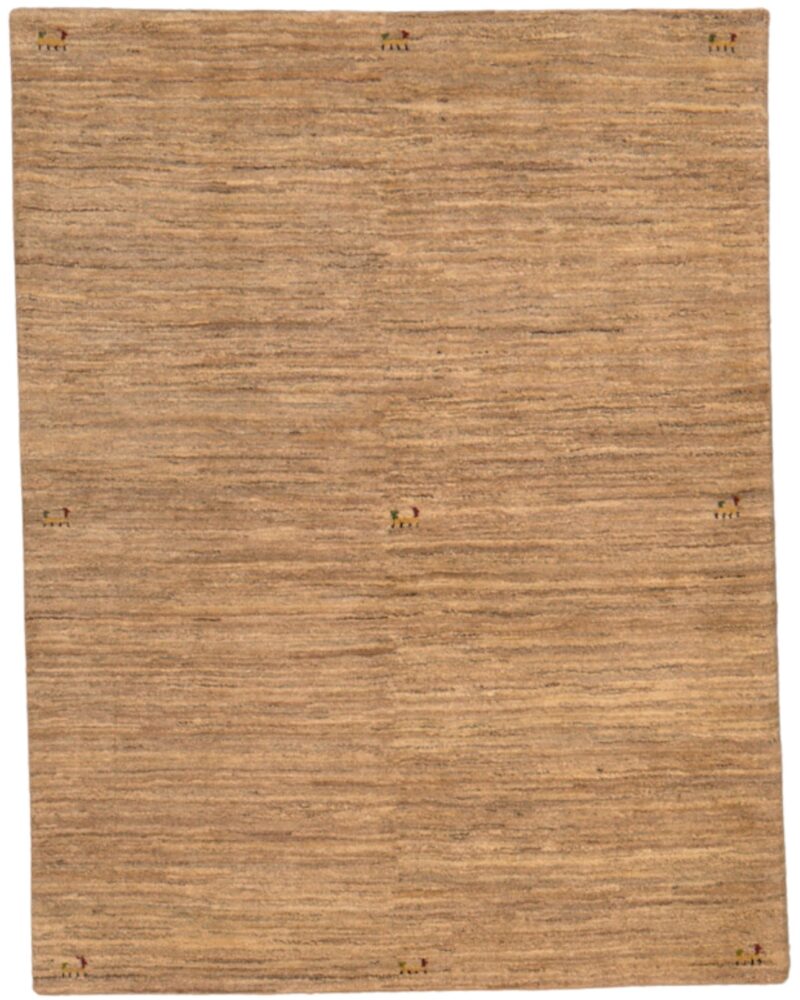
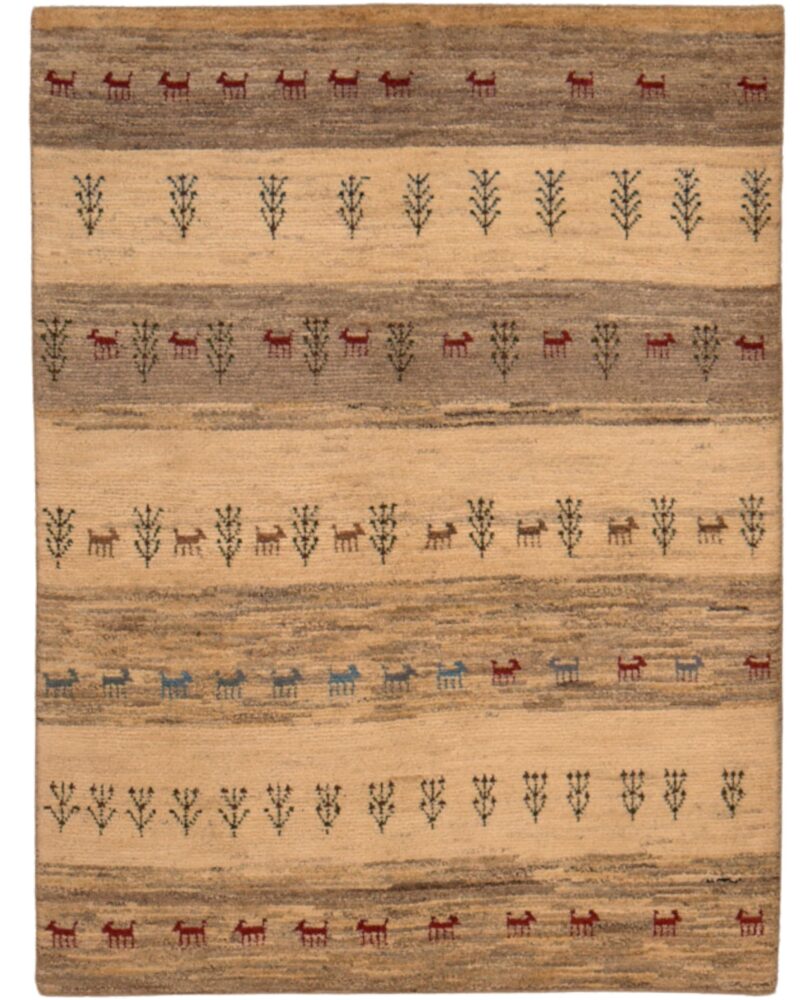
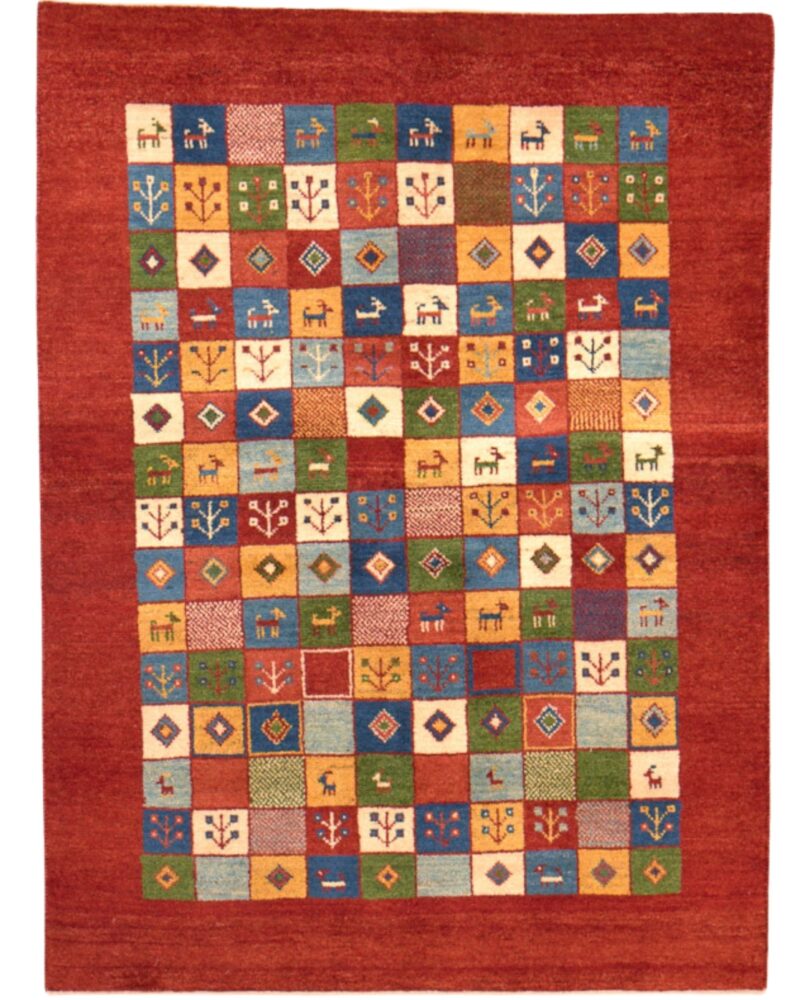
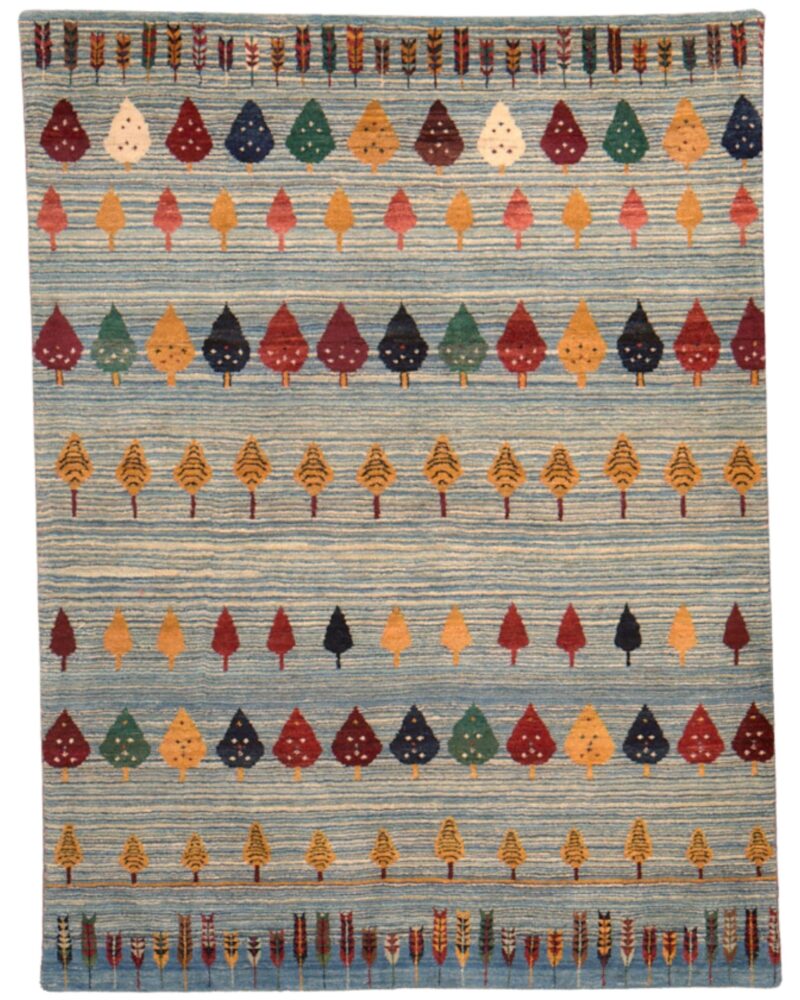
Tribal rugs favor deep madder reds, indigo blues, ivory, and earthy browns. Turkmen designs repeat rows of guls, the medallion-like emblems of each tribe. Karajeh and Bakhshayesh rugs use bold geometric or lattice patterns with a slightly irregular line. Zolanvari Gabbeh rugs show soft, open fields with sparse, simple figures. Slight abrash, a gentle color shift in the field, shows the work of hand-spun, hand-dyed wool.
Which Features Matter Most in Traditional Tribal Rugs?
Traditional Tribal rugs reward buyers who check a few construction details before choosing a piece.
- Material: Hand-spun wool pile, usually on a cotton or wool foundation.
- Pile height: Typically 1/4 to 1/2 inch, with thicker Gabbeh pile.
- Durability: Dense wool wears well for decades in living areas and hallways.
- Size range: Typically from 3 x 5 feet to room-size 10 x 13 feet, plus long runners.
- Care level: Moderate, with regular vacuuming and professional washing every few years.
Traditional Tribal Rug Quick Facts
| Attribute | Typical value | Why it matters |
|---|---|---|
| Construction | Typically hand-knotted, symmetrical or asymmetrical knots | Hand knotting gives long wear and allows full restoration. |
| Pile material | Typically hand-spun sheep wool | Wool resists soil and springs back under foot traffic. |
| Pile height | Typically 1/4 to 1/2 inch | Moderate pile cleans easily and lies flat under furniture. |
| Dyes | Typically natural or vegetable-based, some quality synthetics | Stable dyes keep reds and blues from bleeding during washing. |
| Typical sizes | Typically 3 x 5 ft up to 10 x 13 ft, plus runners | Size decides how well the rug anchors a room or hallway. |
How Do You Style Traditional Tribal Rugs at Home?
Traditional Tribal rugs work in living rooms, dining rooms, bedrooms, and entryways. Their warm reds and browns suit leather sofas, dark wood, and classic furniture. Neutral Gabbeh designs also soften modern and transitional rooms. Pair a busy tribal pattern with solid upholstery and simple walls. Let the rug carry the pattern, and keep other textiles calm.
Sizing rules keep the layout balanced. In a living room, place at least the front legs of every seating piece on the rug. Under a dining table, leave about 24 inches of rug beyond each edge so chairs stay on the pile. Long Karajeh and Bakhshayesh runners fit hallways and galleries, with 4 to 6 inches of bare floor on each side. Add a quality rug pad to prevent slipping and protect the foundation. Buyers who like the soft, plain look can also browse our Gabbeh rugs.
Frequently Asked Questions
What size Traditional Tribal rug should I buy for my room?
Traditional Tribal rug size depends on the room and furniture layout. Choose a rug that holds the front legs of your sofa and chairs. For dining rooms, add 24 inches beyond the table on every side. Runners between 2.5 and 3 feet wide suit most hallways.
How do you clean a Traditional Tribal rug?
Traditional Tribal rugs need regular vacuuming without a beater bar, plus prompt blotting of spills. Professional rug cleaning every one to three years removes embedded grit that dulls wool. Hand washing protects natural dyes and fringe, so avoid steam machines and harsh household cleaners.
Are Traditional Tribal rugs durable enough for high-traffic areas?
Traditional Tribal rugs hold up well in busy spaces because dense wool pile and hand-knotted foundations resist wear. Many last several decades with routine care. Rotate the rug once a year, use a pad, and keep sunlight from fading one side more than the other.
Are Traditional Tribal rugs handmade or machine-made?
Traditional Tribal rugs from this style are handmade, knotted one knot at a time on a loom. Machine-made copies use uniform patterns and glued or woven backs. Check the back of the rug. Hand-knotted pieces show slightly uneven knots, and the pattern appears clearly on both sides.