


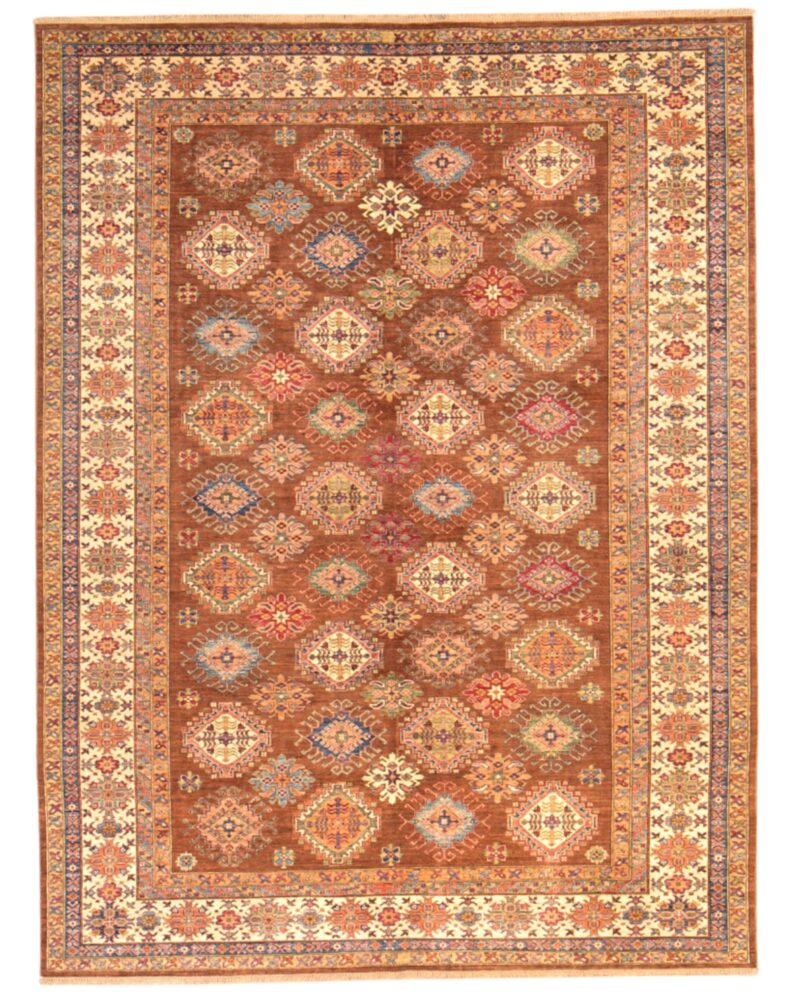
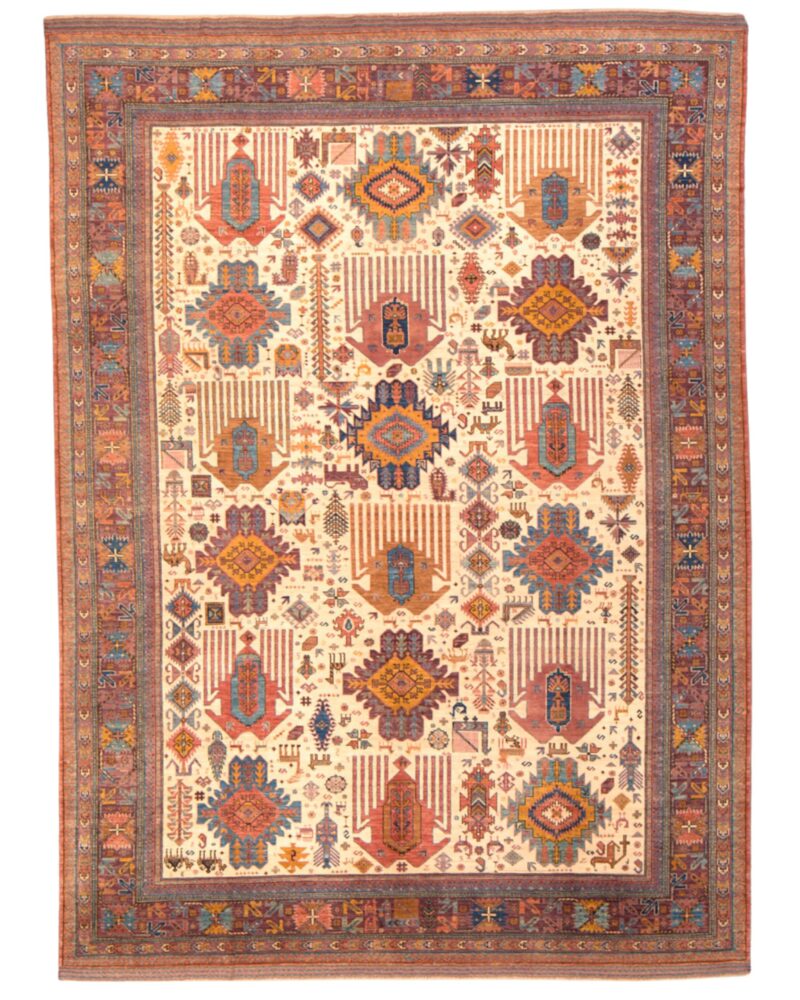
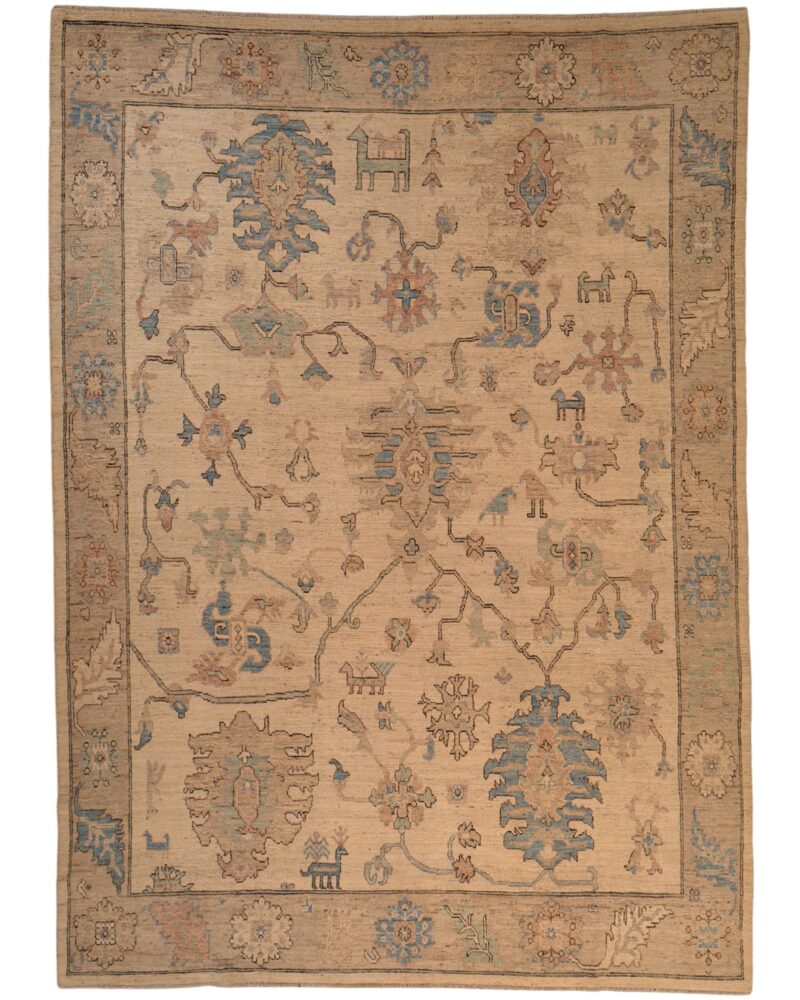
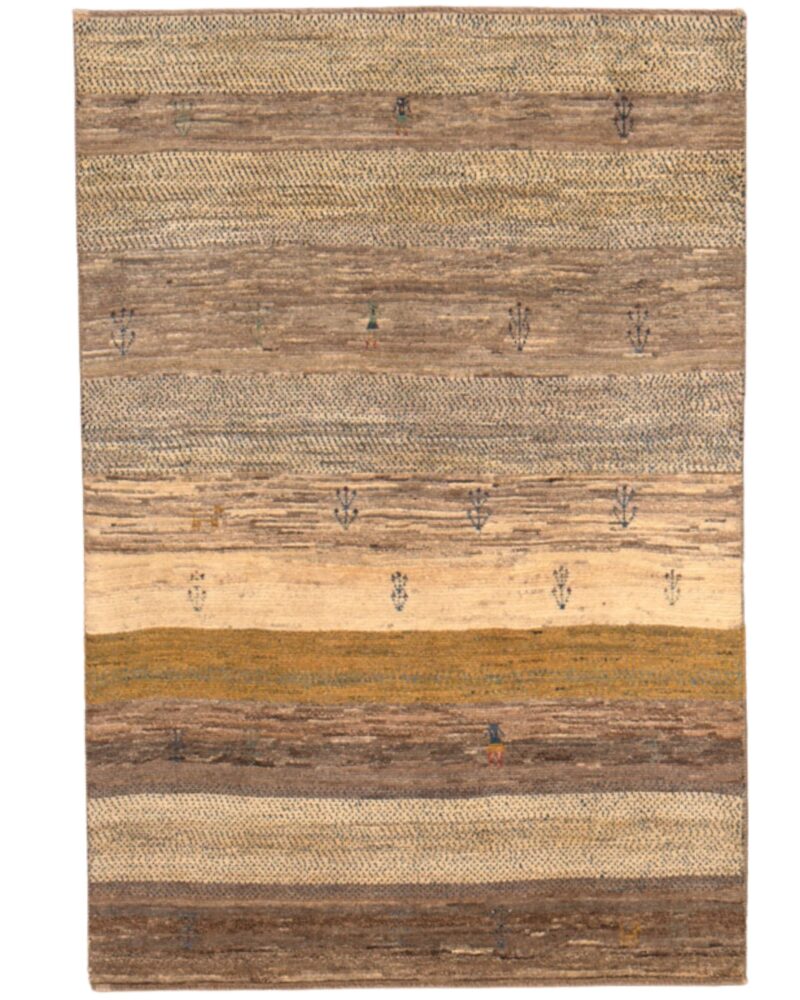
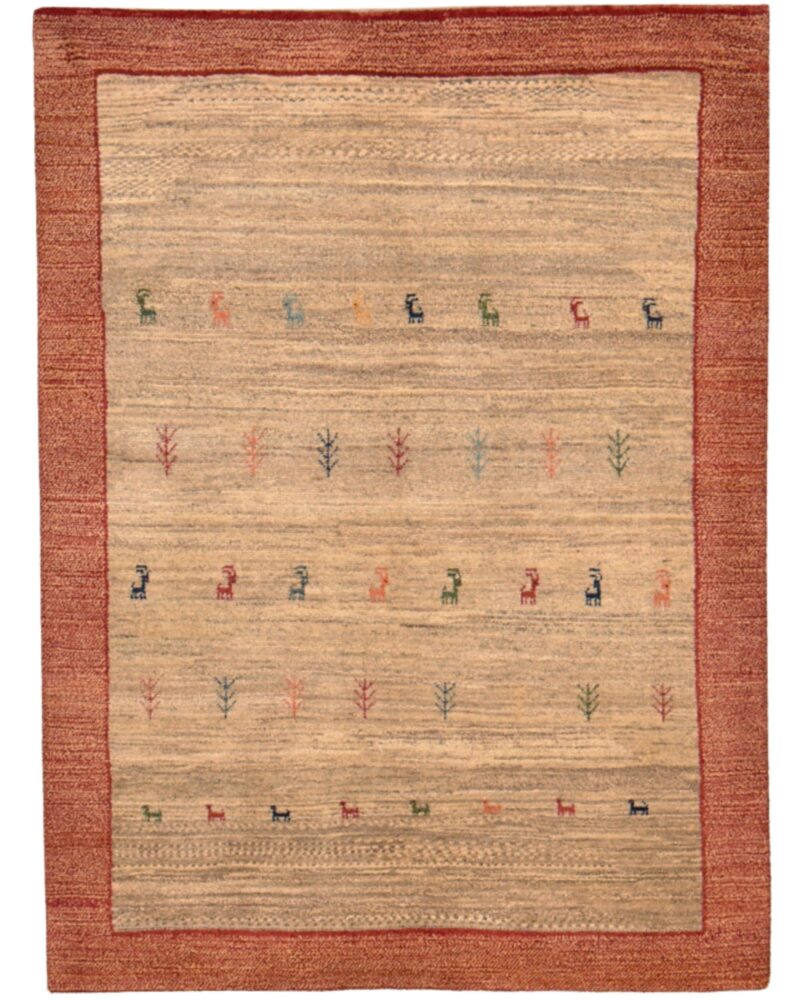
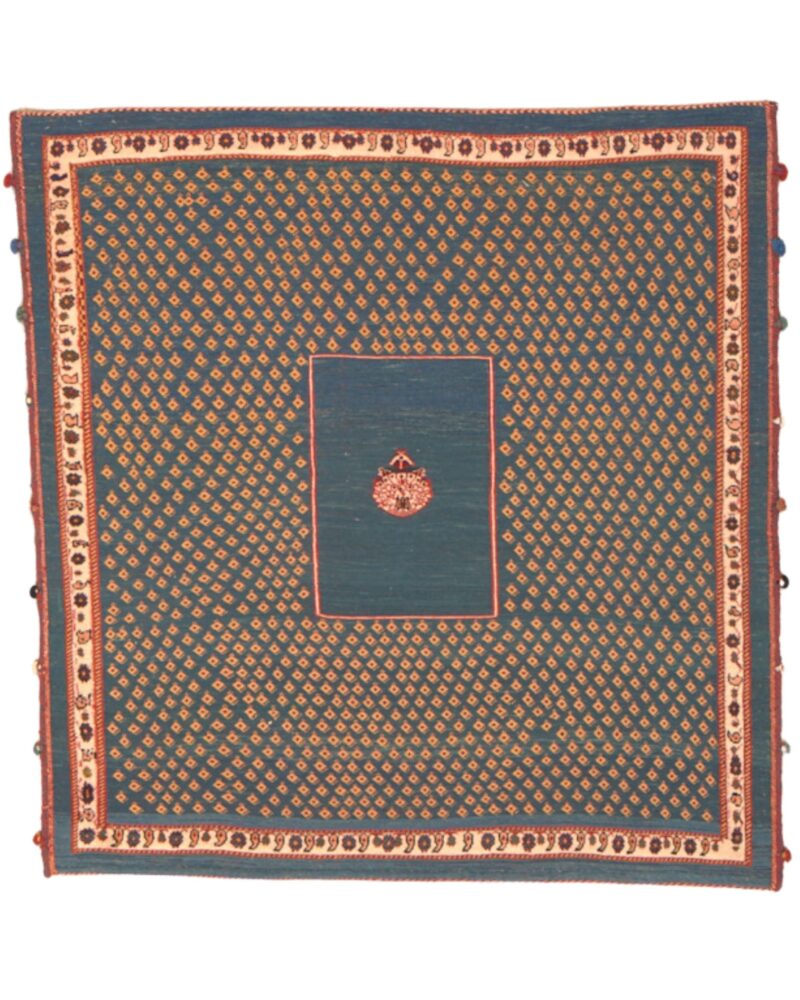
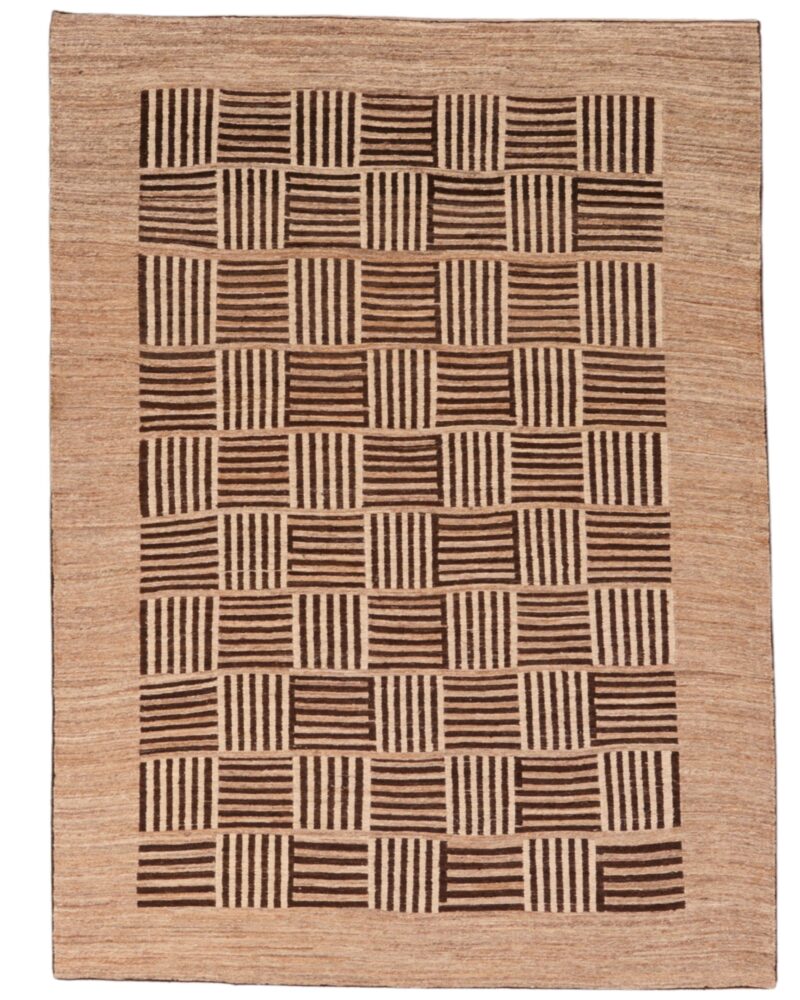
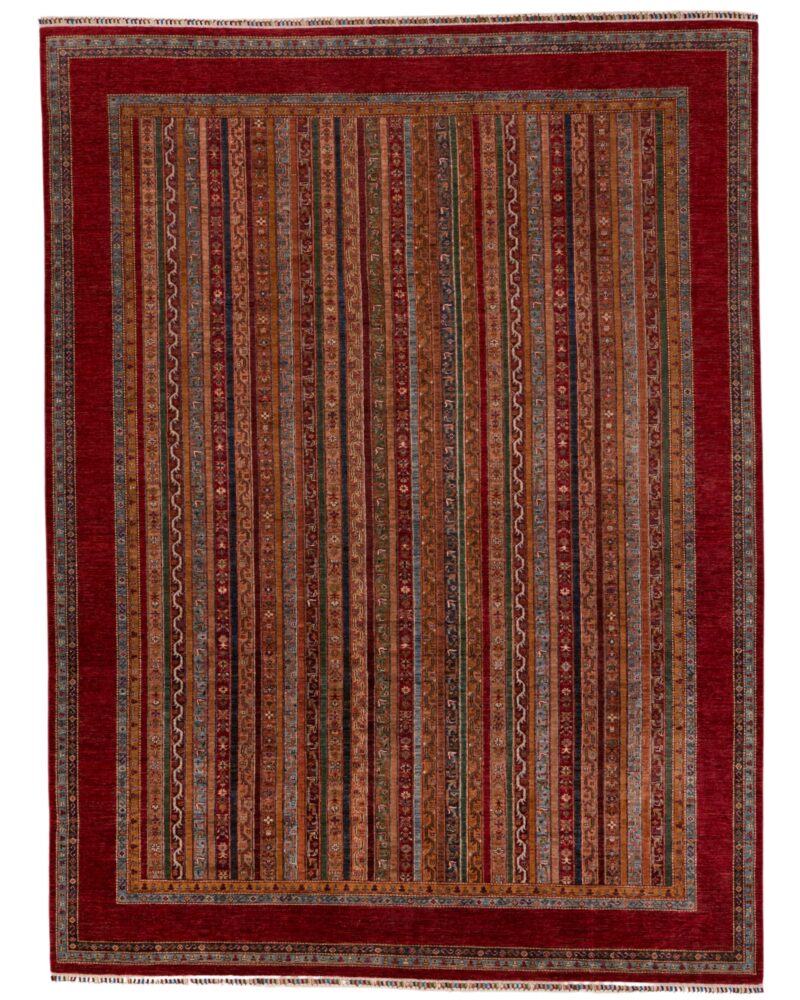
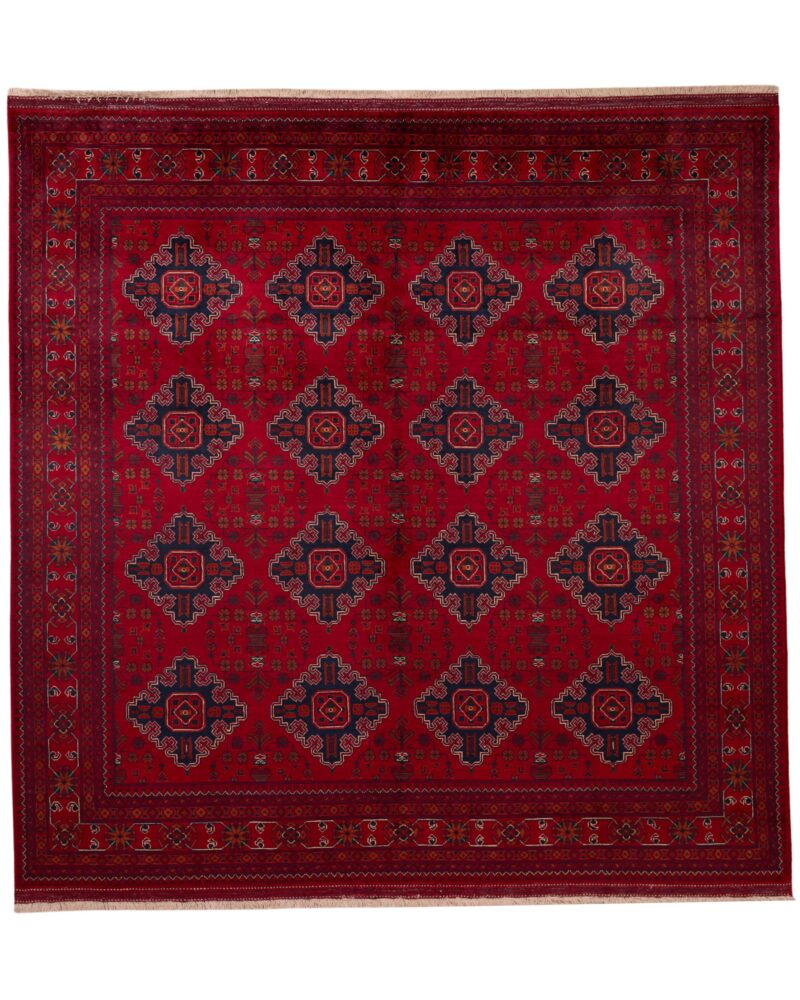
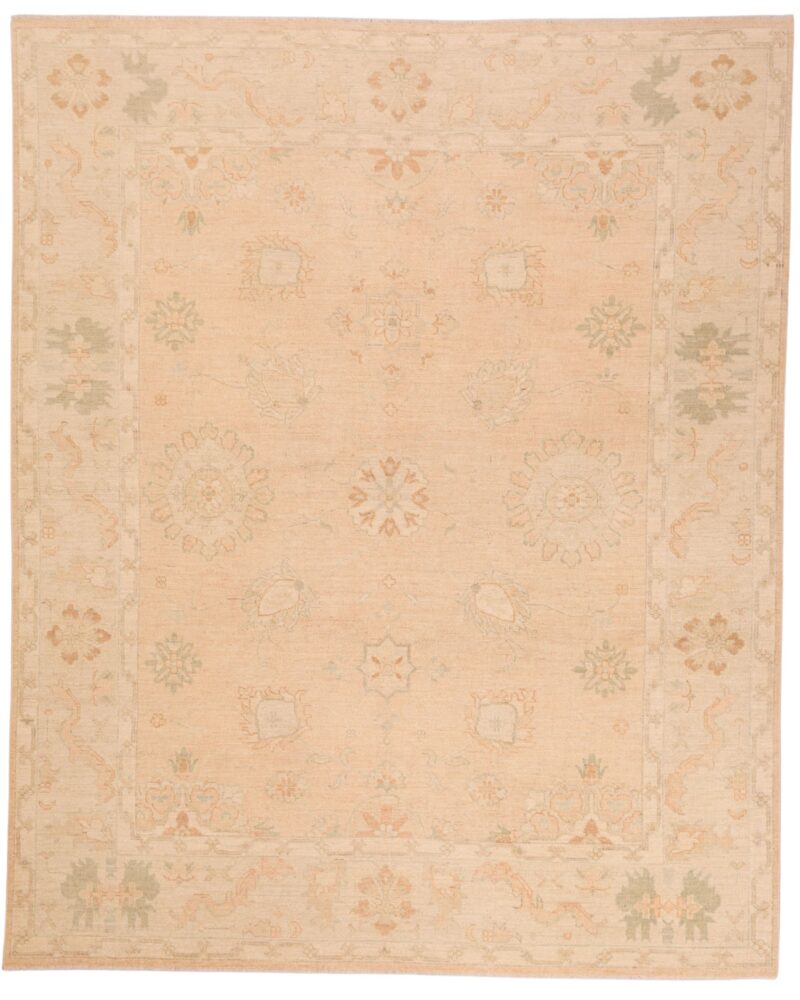
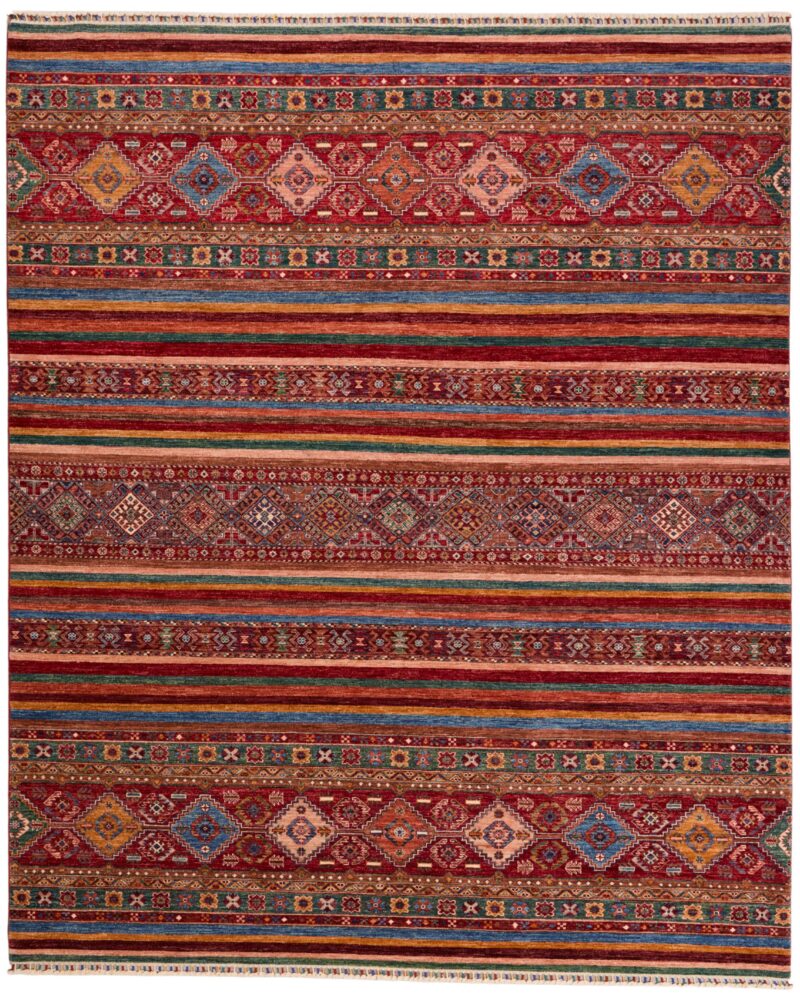
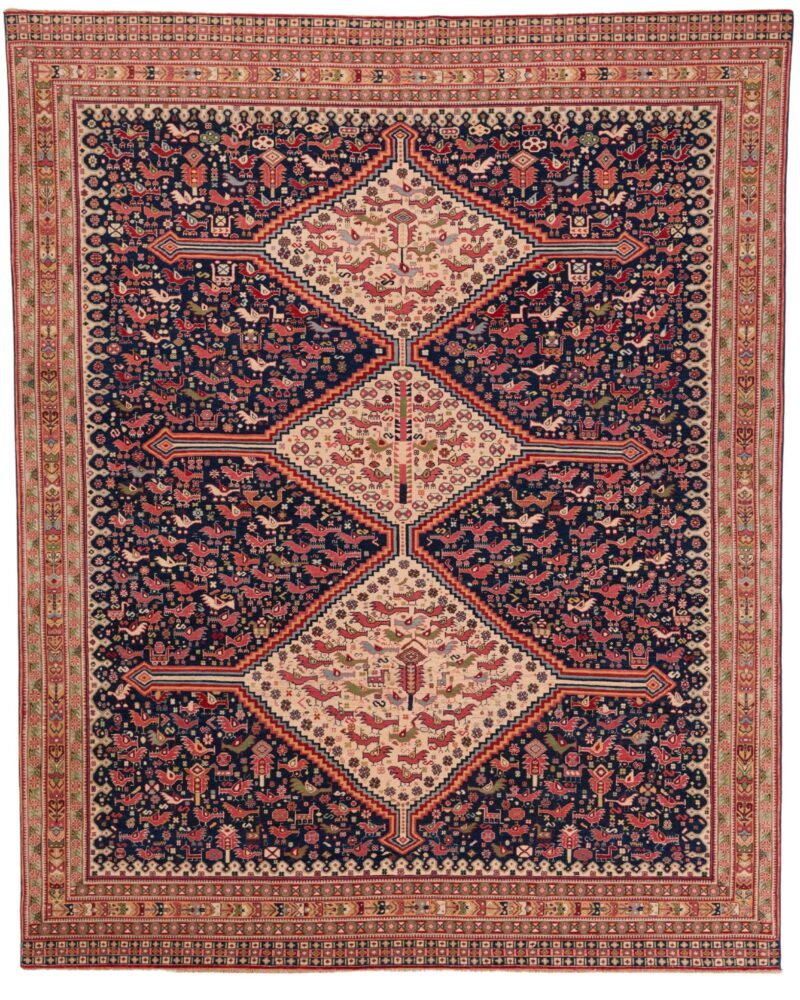
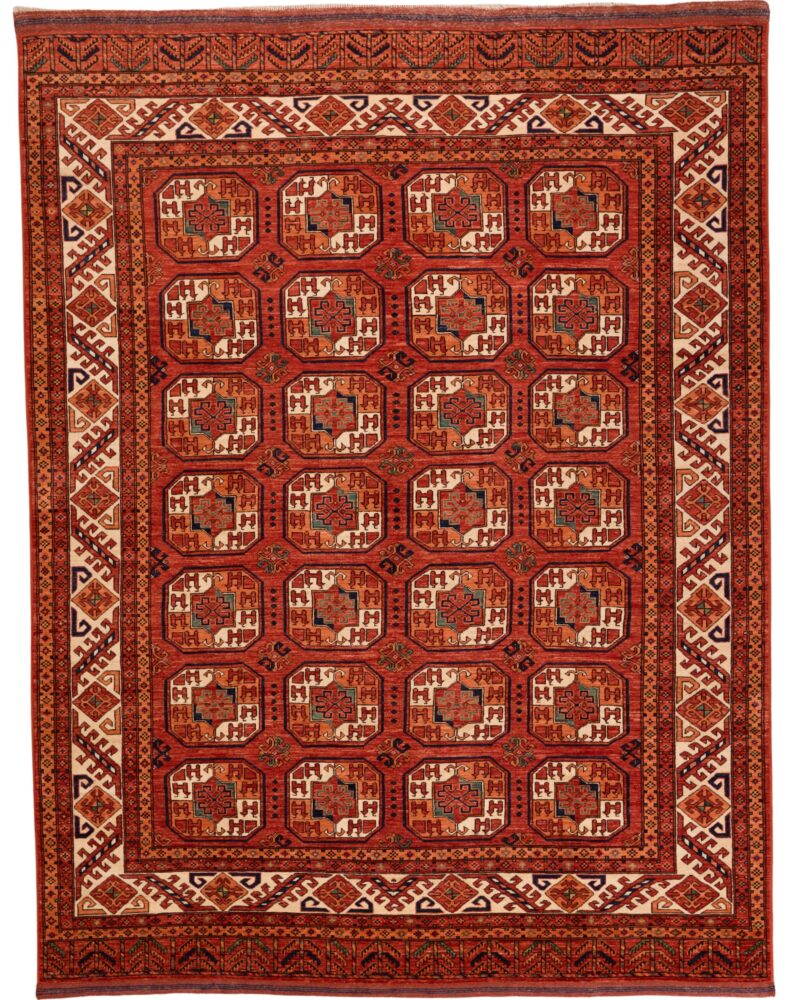
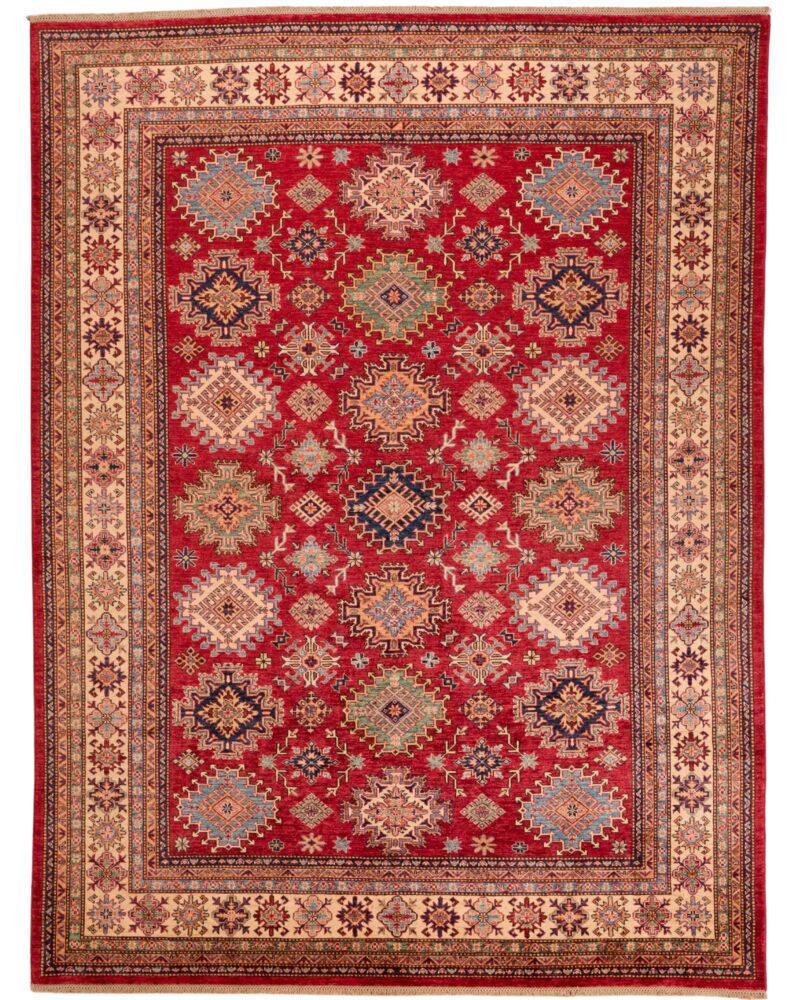
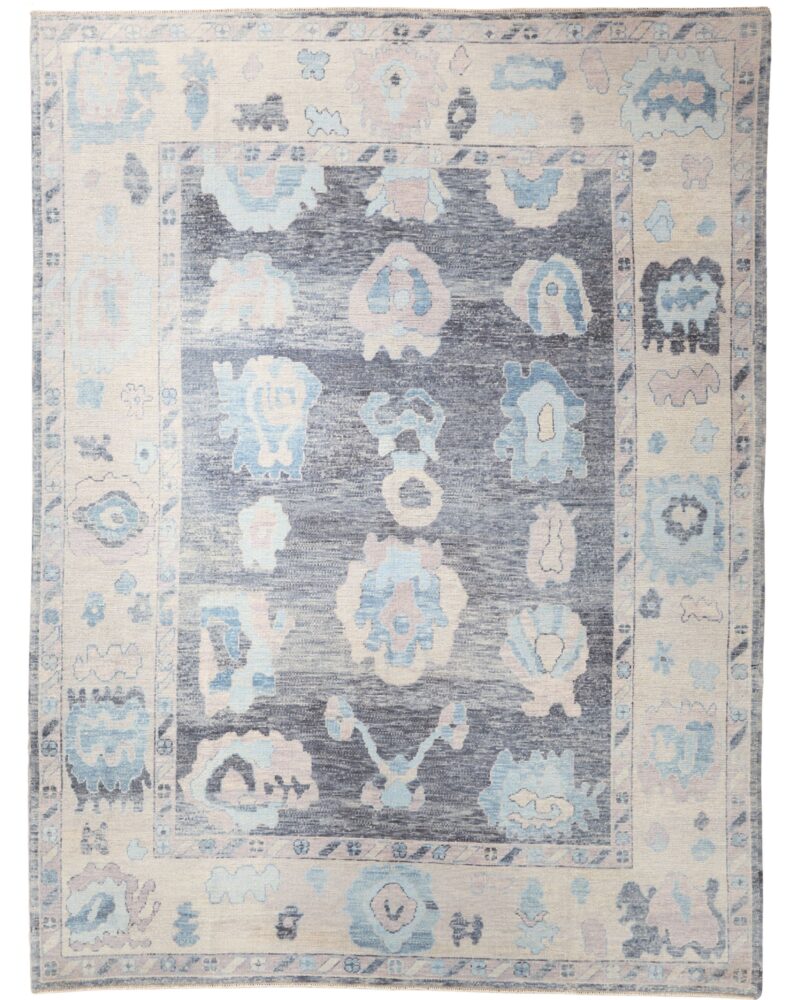
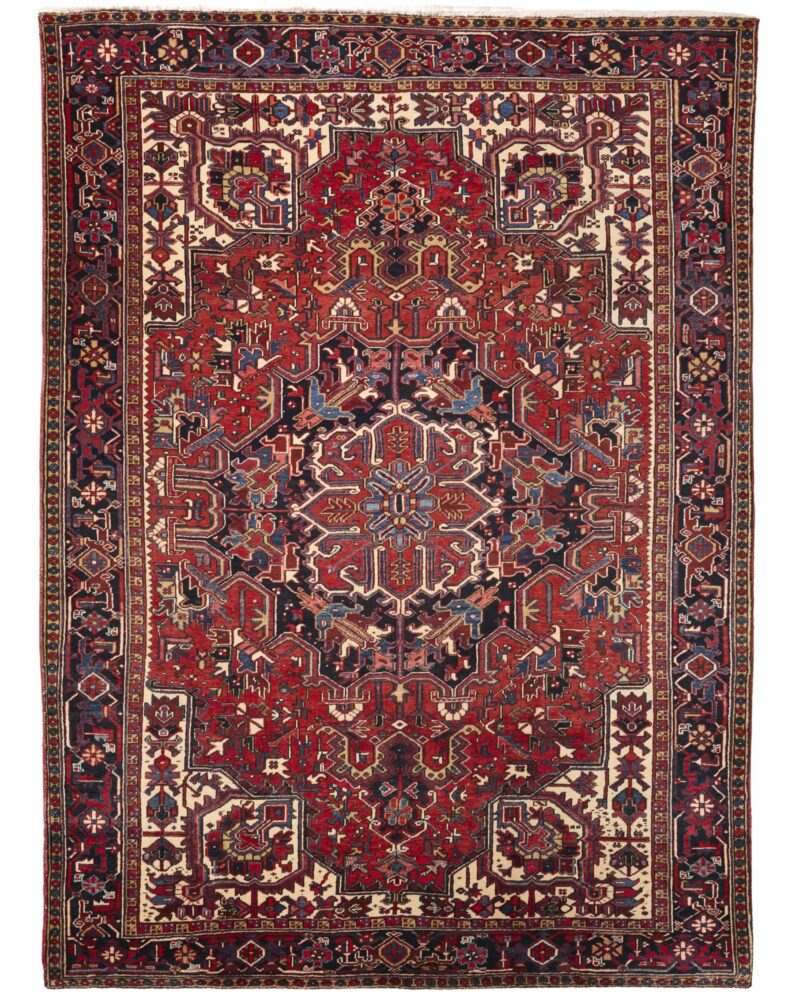
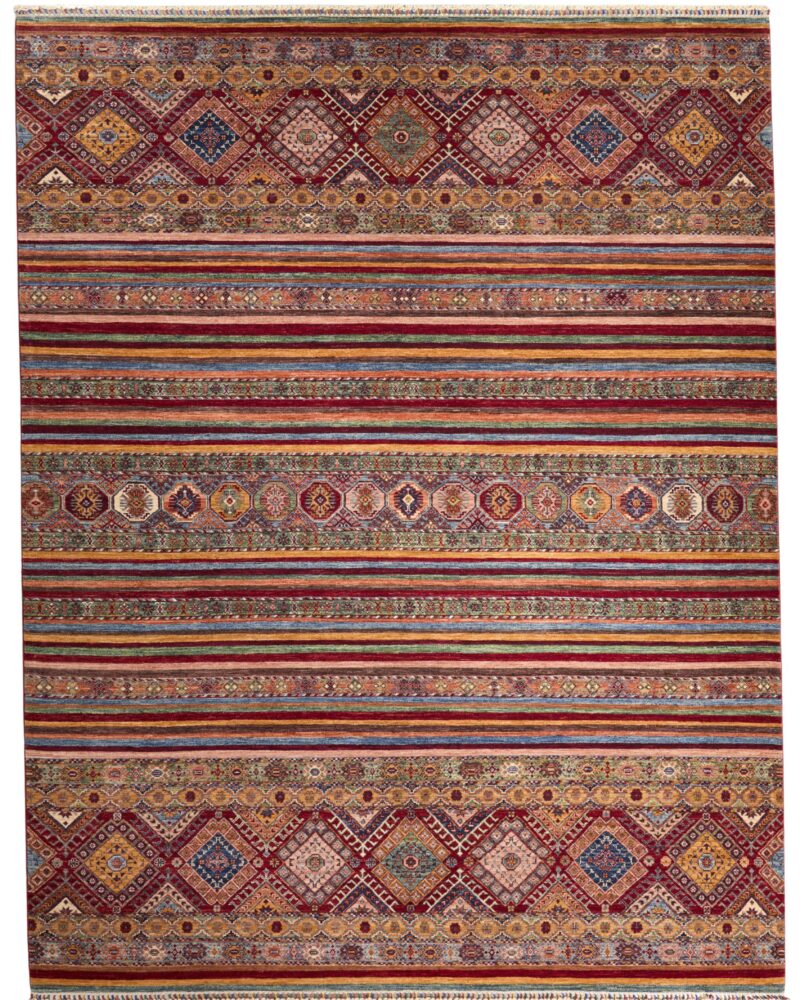
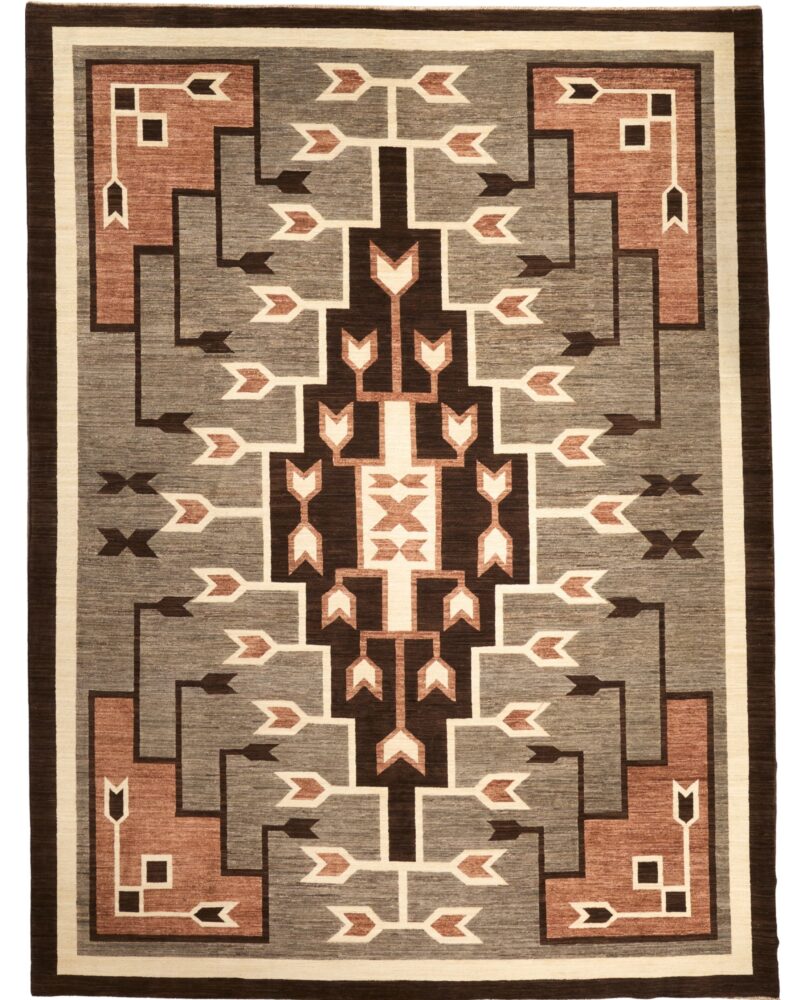
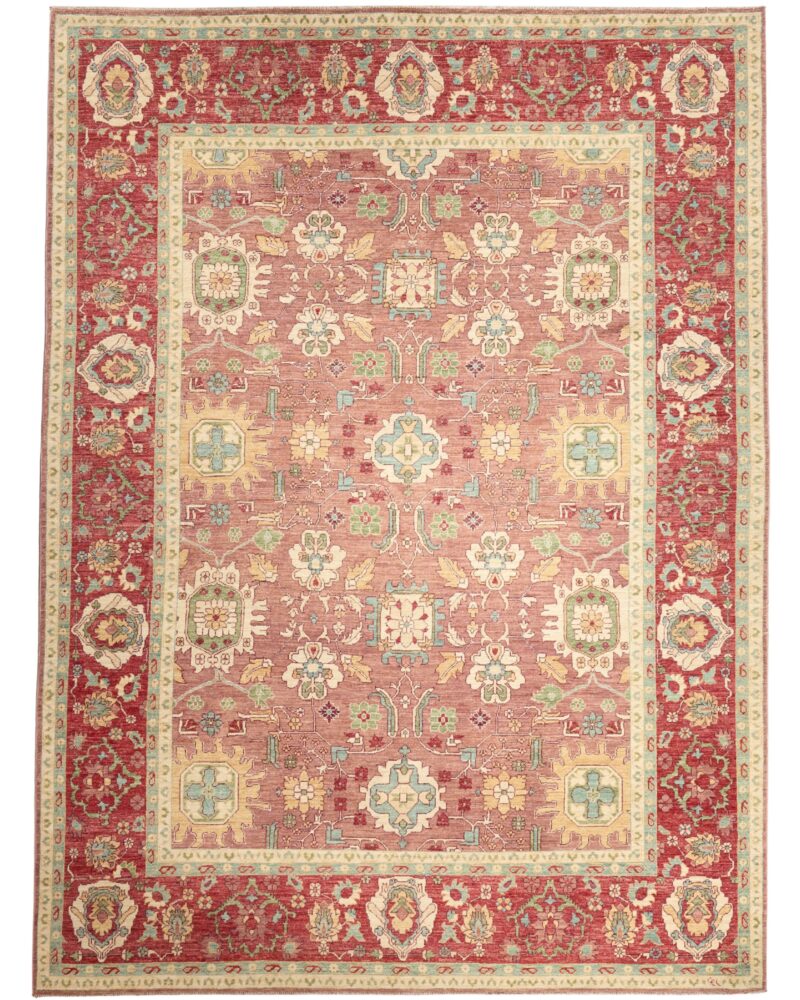
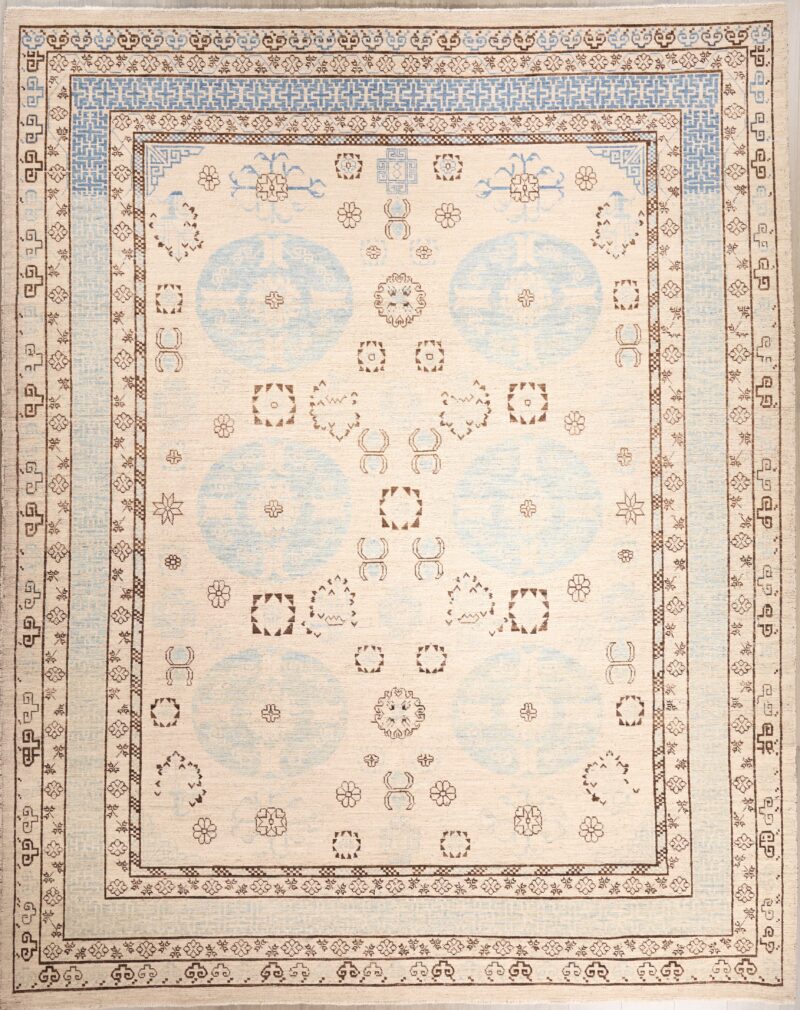
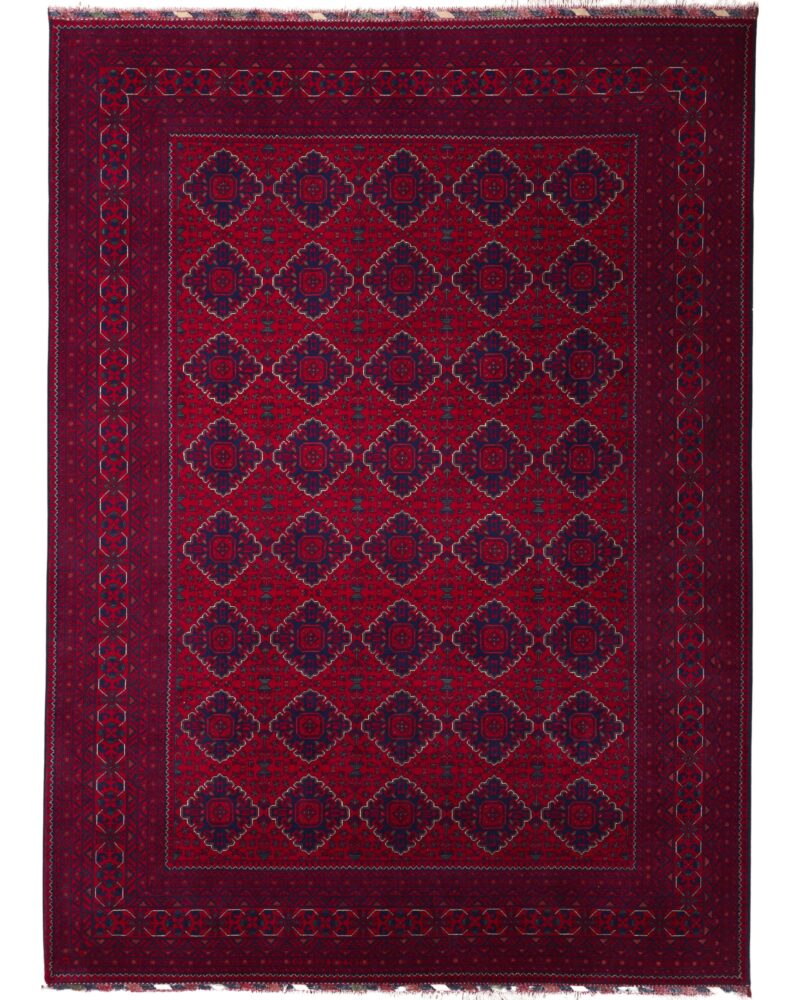
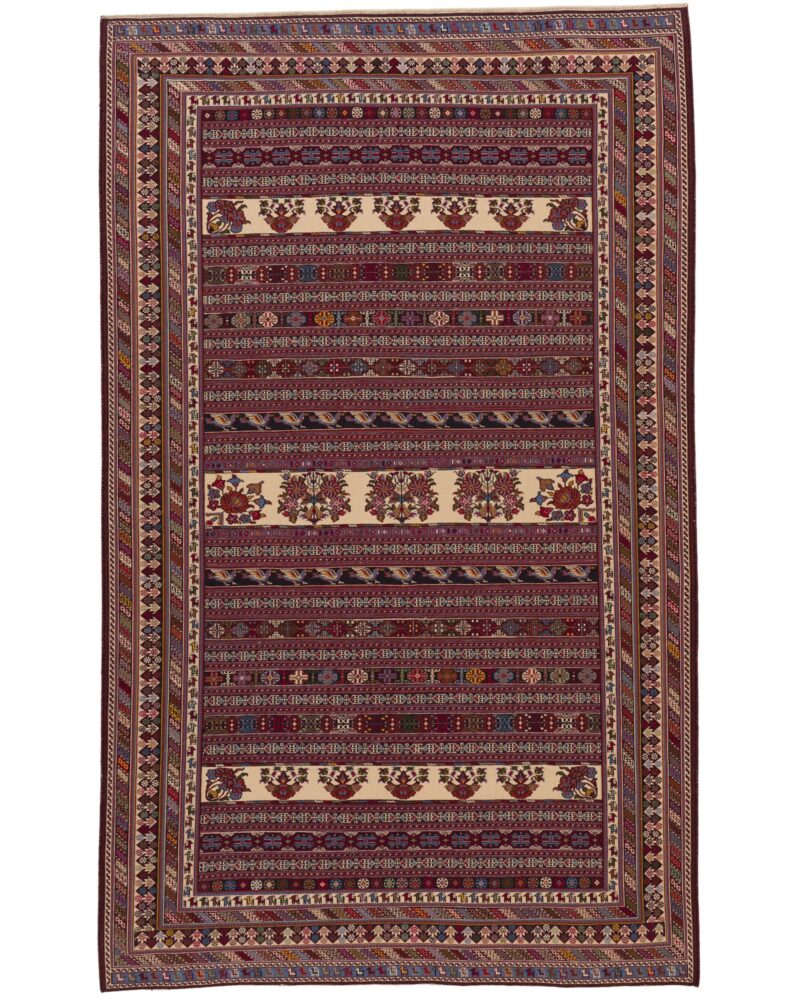
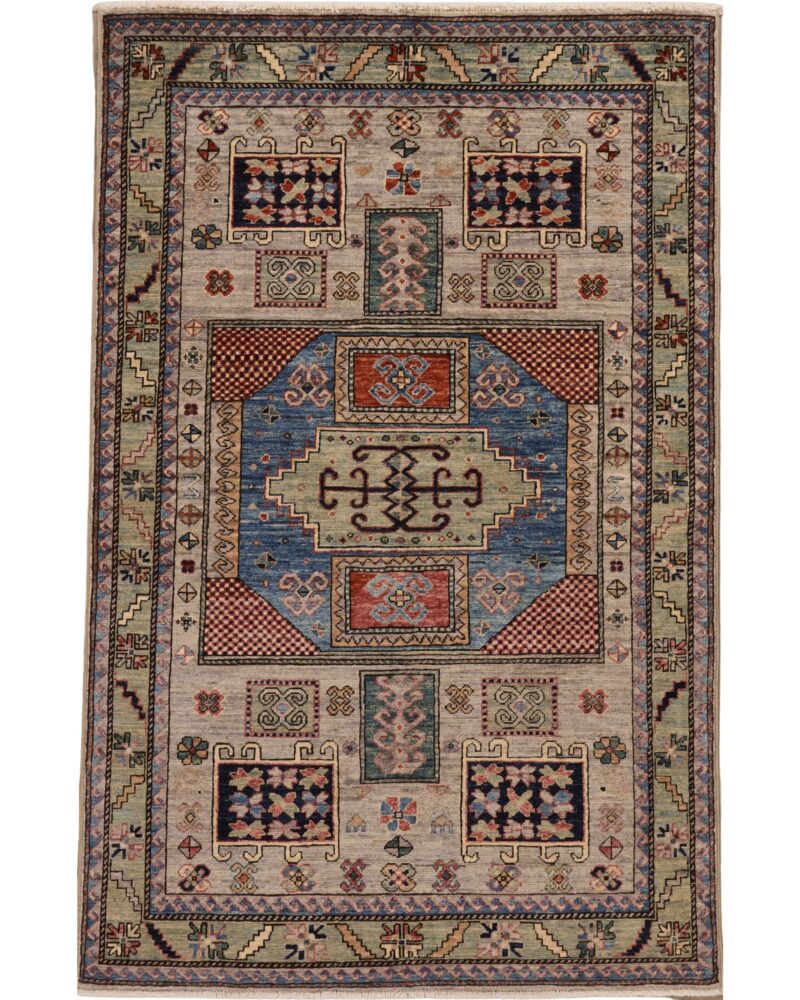
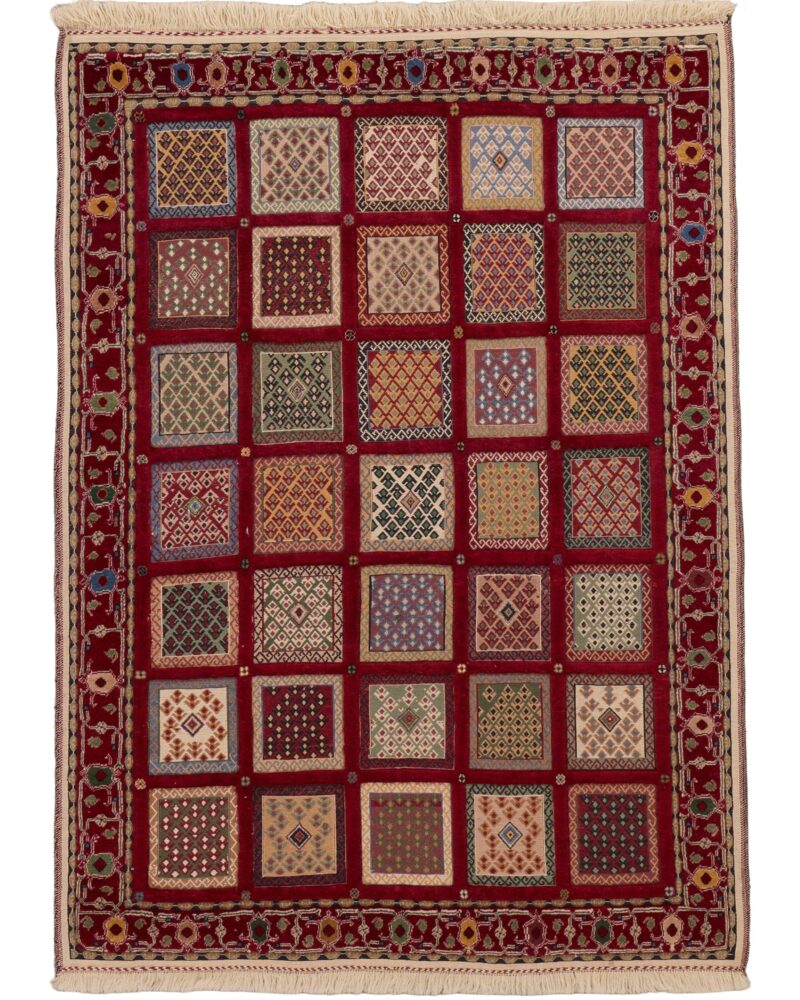
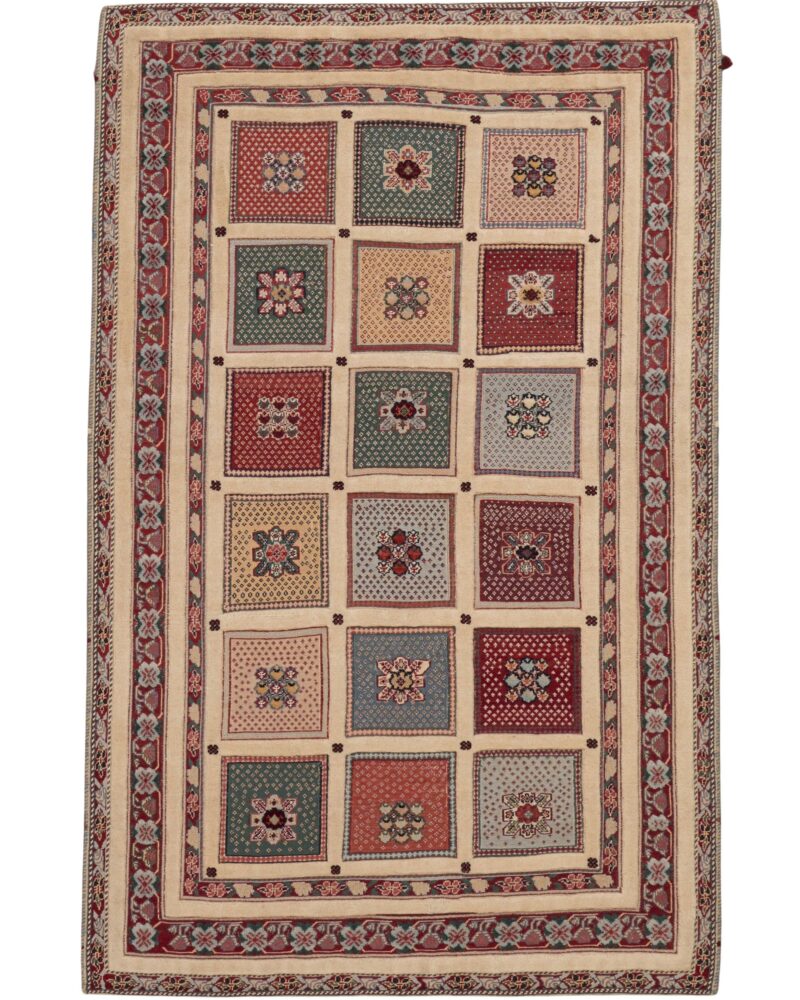
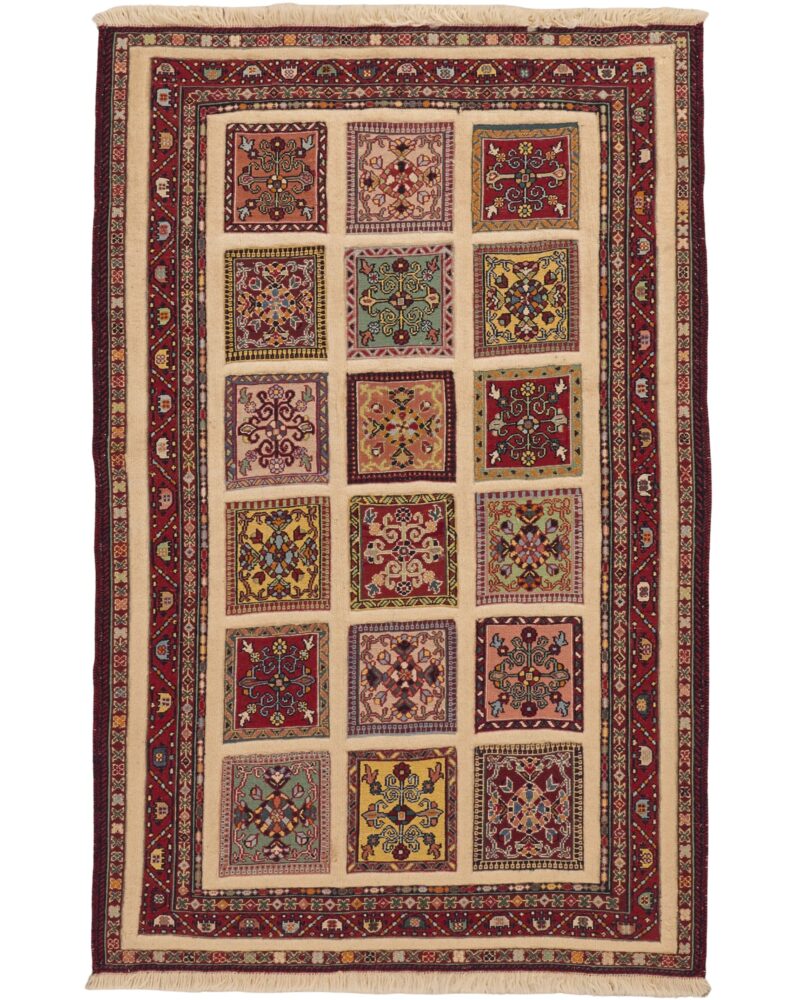
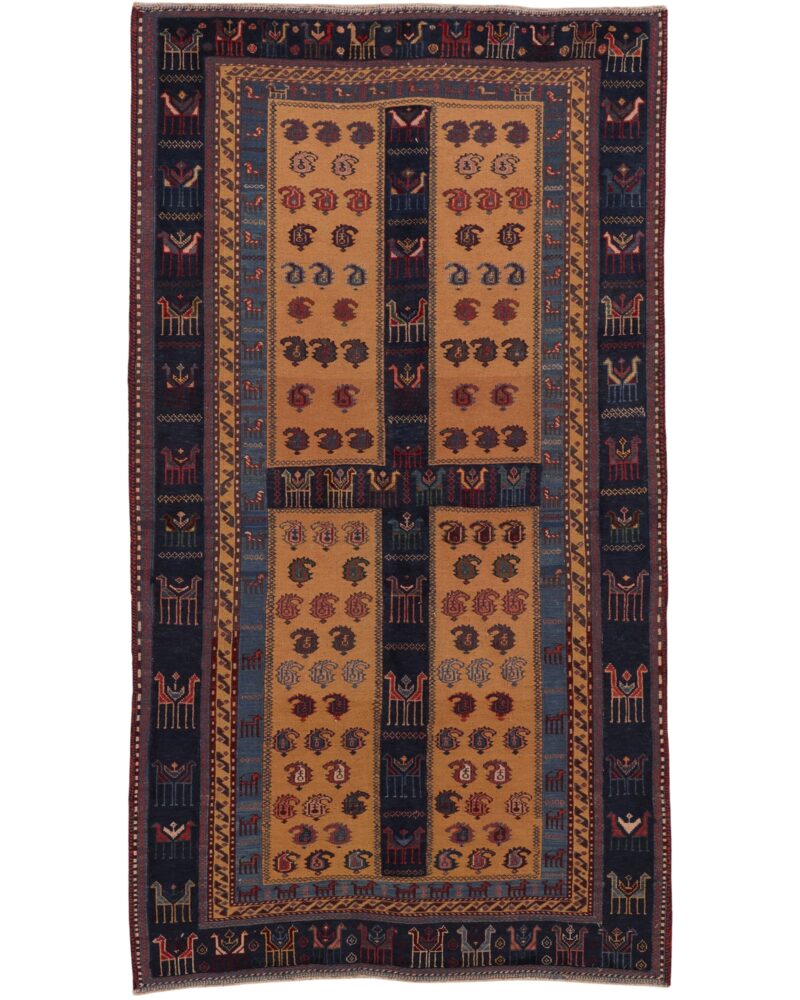
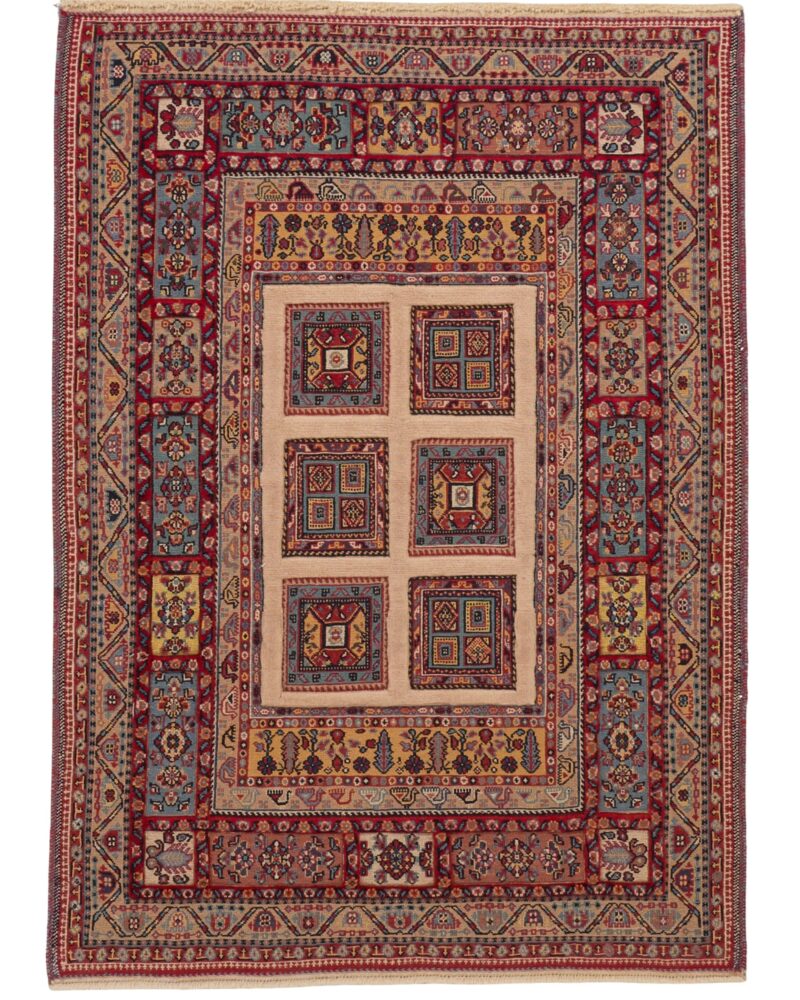
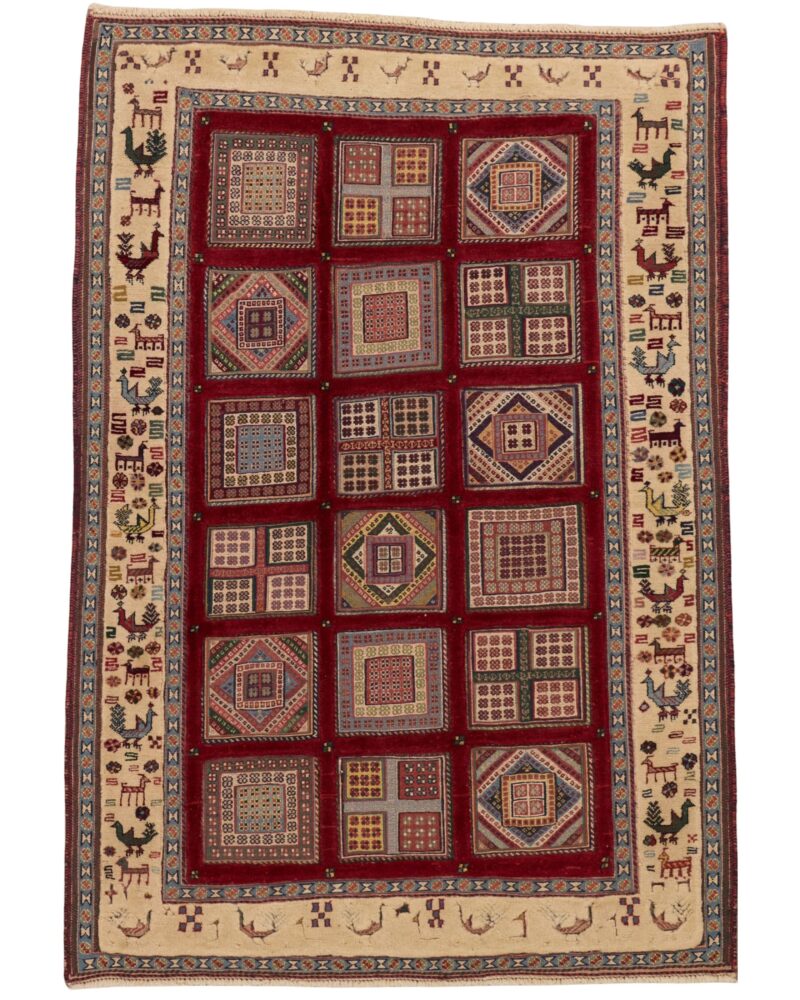
Traditional & Tribal rugs combine classic woven designs with the bold geometry of nomadic and village weaving. Weavers in Persia, Anatolia, Central Asia, and the Caucasus built these patterns over centuries. Wool pile, natural-looking dyes, and hand-knotted or flat-woven construction define the style. Traditional & Tribal rugs suit homeowners who want warmth, history, and visible craftsmanship. Collectors, families, and designers choose them for living rooms, dining rooms, and entryways where a rug must look rich and last for decades.
What Defines Traditional & Tribal Rugs?
Traditional & Tribal rugs rely on hand-knotted construction, most often with the symmetrical Turkish knot or the asymmetrical Persian knot. Wool dominates the pile, sometimes on a cotton or wool foundation. Typical pile height runs from 0.25 to 0.5 inch. Flat-woven styles such as Kelim and Navajo-inspired pieces skip the pile entirely and use interlocked wefts instead. Weaving centers include Iran, Turkey, Afghanistan, Turkmenistan, and Pakistan.
Color and motif separate the sub-styles. Our collection includes Oushak designs with soft, open fields and Khotan and Bakhshayesh designs with fuller medallion layouts. Turkman rugs repeat rows of guls in deep reds. Kashkoli and Khorjin pieces bring tribal motifs from nomadic weavers. Gabbeh and Kelim rugs favor looser drawing, stripes, and diamond forms. I see the best examples hold their color evenly when I wash them.
Which Features Matter Most in Traditional & Tribal Rugs?
Traditional & Tribal rugs reward buyers who check a few construction details before choosing a piece.
- Material: hand-spun wool pile, typically on a cotton or wool foundation
- Pile height: typically 0.25 to 0.5 inch for knotted rugs, flat for Kelim
- Durability: typically 30 to 50 years or more with routine care
- Size range: from small accent rugs near 3 x 5 feet to room-size pieces near 9 x 12 feet
- Care level: moderate, with regular vacuuming and professional washing every few years
Traditional & Tribal Rug Quick Facts
| Attribute | Typical value | Why it matters |
|---|---|---|
| Construction | Typically hand-knotted or hand-woven flat weave | Hand work gives strength and allows repair |
| Pile material | Typically wool | Wool resists soil and springs back under foot traffic |
| Pile height | Typically 0.25 to 0.5 inch | Low pile cleans easily and sits well under furniture |
| Common sizes | Typically 3 x 5 to 9 x 12 feet | Size decides whether furniture sits on or off the rug |
| Washing interval | Typically every 1 to 3 years | Regular washing removes grit that cuts wool fibers |
How Do You Style Traditional & Tribal Rugs at Home?
Traditional & Tribal rugs work in living rooms, dining rooms, bedrooms, and hallways. They pair well with leather sofas, walnut tables, linen upholstery, and plain plaster walls. Oushak and Bakhshayesh designs suit formal and transitional rooms. Gabbeh, Kelim, and Navajo-inspired pieces fit rustic, modern farmhouse, and Southwestern interiors. Pull one accent color from the rug into pillows or art for a cohesive look.
Sizing rules keep the layout balanced. In a living room, place at least the front legs of every sofa and chair on the rug. Under a dining table, leave 24 to 30 inches beyond each edge so chairs stay on the weave. Keep 6 to 8 inches of bare floor around the rug in bedrooms. A quality rug pad adds grip and cushion, and our rug padding options protect the foundation. Buyers who like flat weaves can also browse Kilim rugs.
Frequently Asked Questions
What size Traditional & Tribal rug should I buy for my room?
Traditional & Tribal rugs should fit the furniture layout first. For living rooms, choose a size where the front legs of sofas and chairs rest on the rug. For dining rooms, add 24 to 30 inches beyond the table edge. An 8 x 10 or 9 x 12 suits most main rooms.
How do I clean and care for a Traditional & Tribal rug?
Traditional & Tribal rugs need regular vacuuming without a beater bar, plus prompt blotting of spills with cool water. Rotate the rug twice a year to even out wear. Schedule professional rug cleaning every one to three years, because embedded grit damages wool fibers from within.
Are Traditional & Tribal rugs durable enough for high-traffic areas?
Traditional & Tribal rugs handle high traffic well when they are hand-knotted in wool. Dense knotting and lanolin-rich fibers resist crushing and soil. Entryways, hallways, and family rooms suit them. Use a quality pad, rotate the rug, and wash it on schedule to protect it for decades.
How can I tell a handmade Traditional & Tribal rug from a machine-made one?
Handmade Traditional & Tribal rugs show small irregularities in knot and line, while machine-made rugs look perfectly uniform. Turn the rug over. A hand-knotted back displays the pattern clearly with visible individual knots. Machine-made backs show a stiff, glued or stitched latex layer and rigid, even rows.