


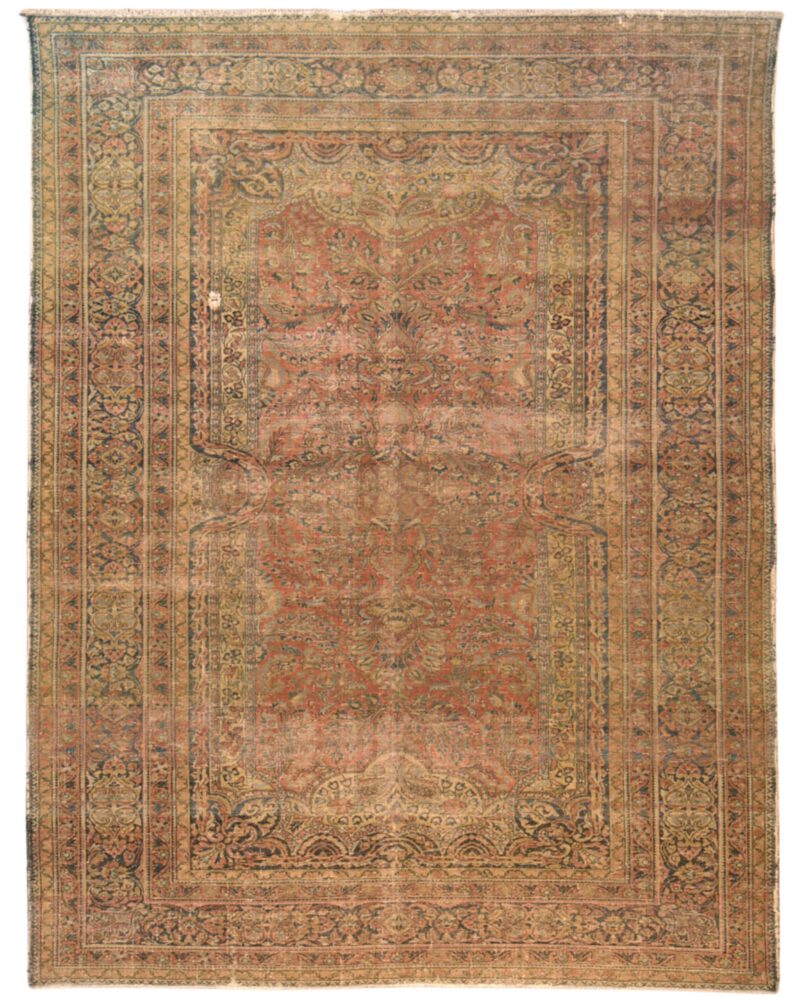
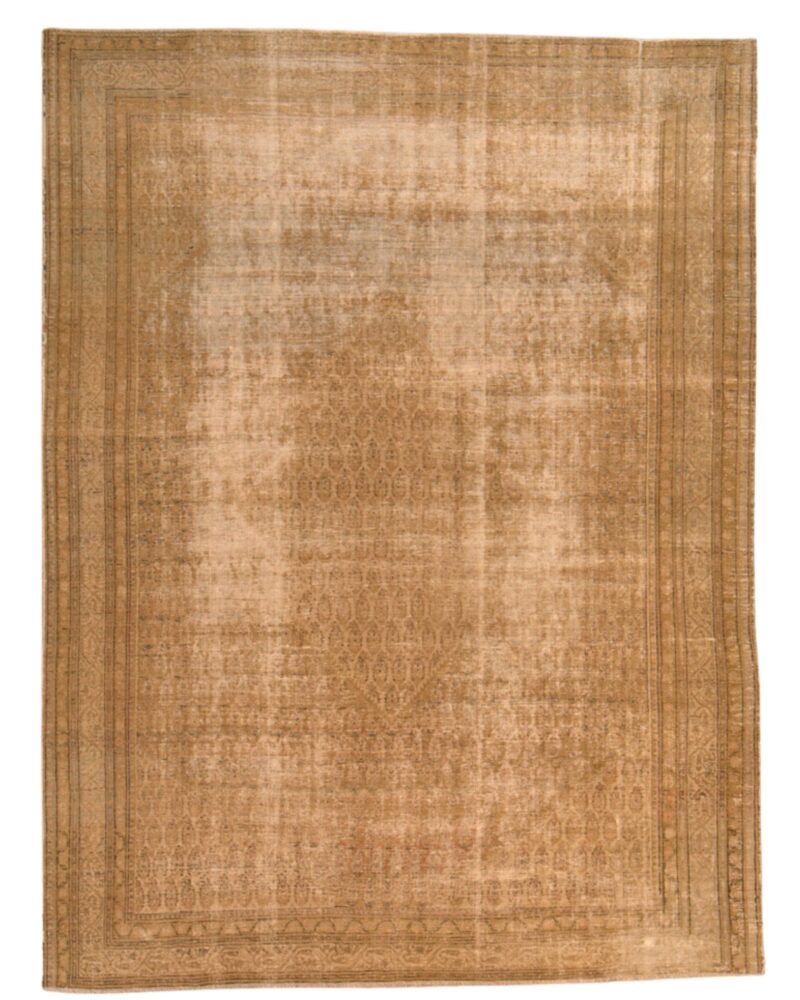
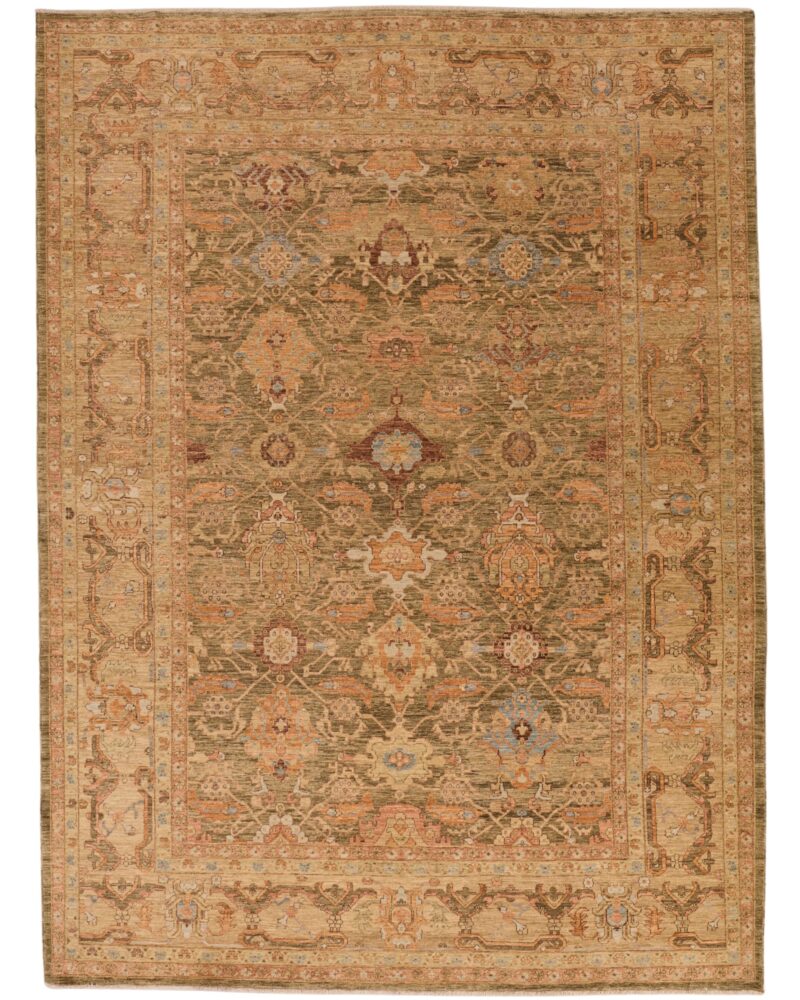
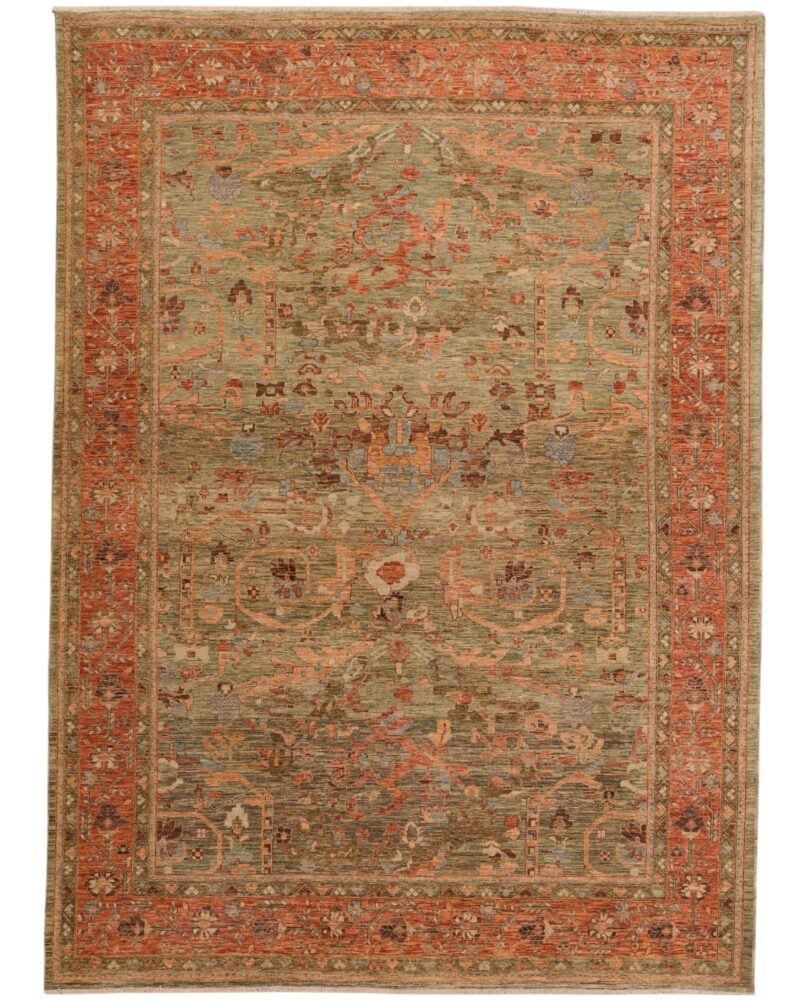
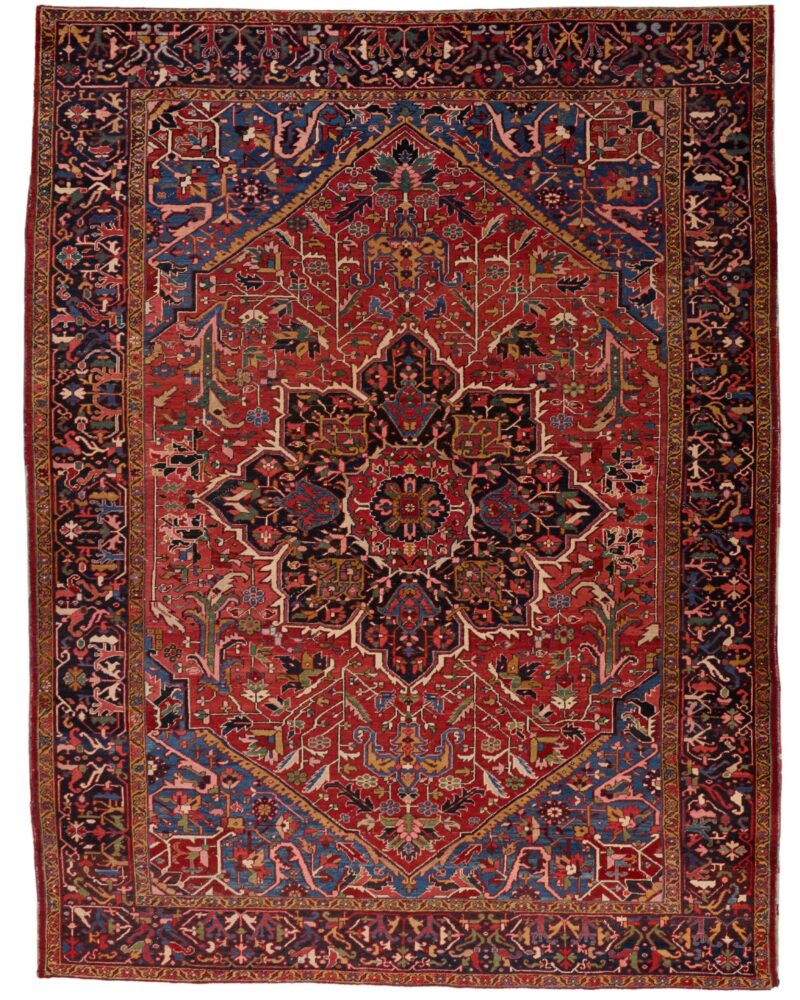
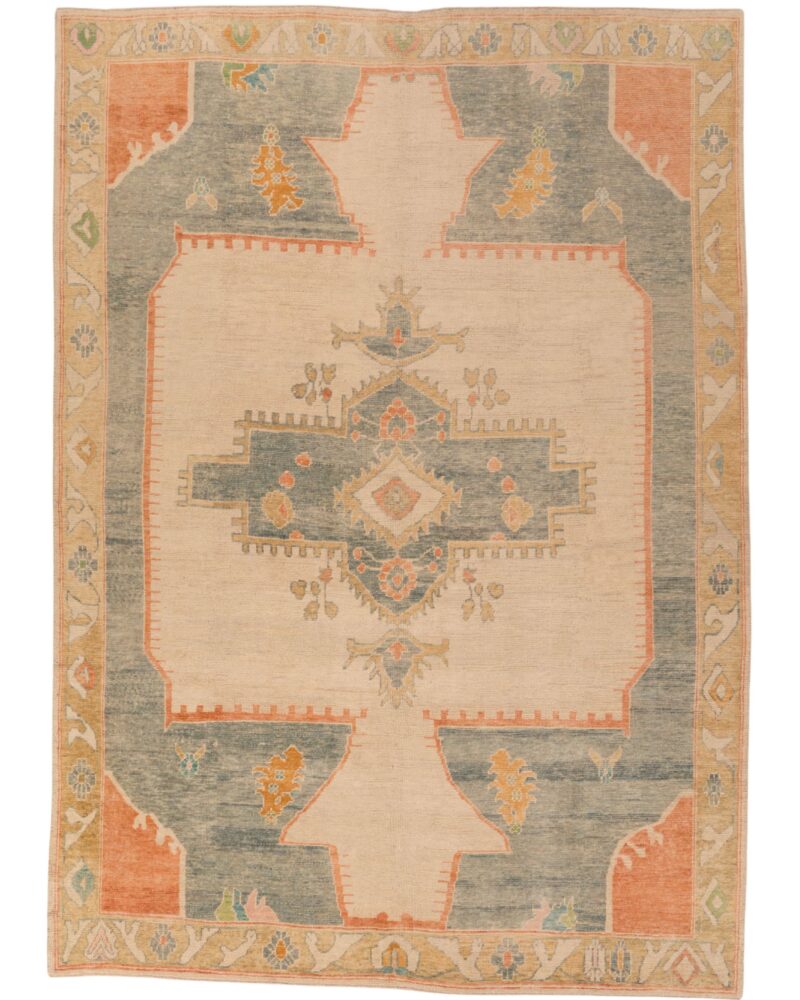
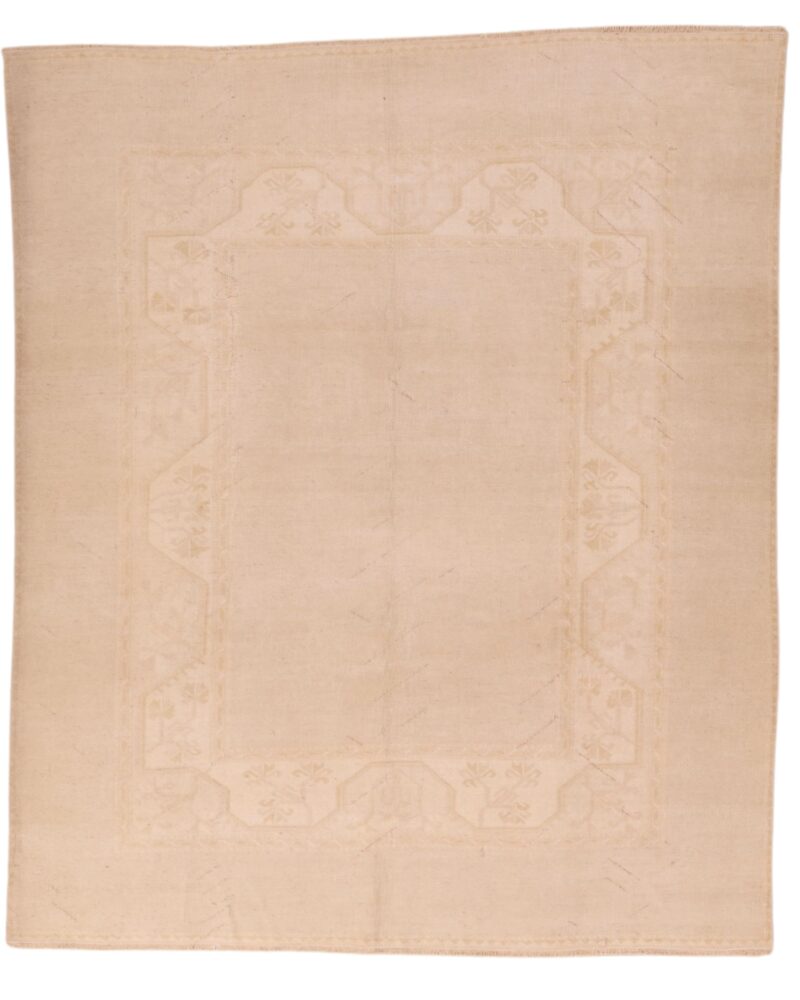
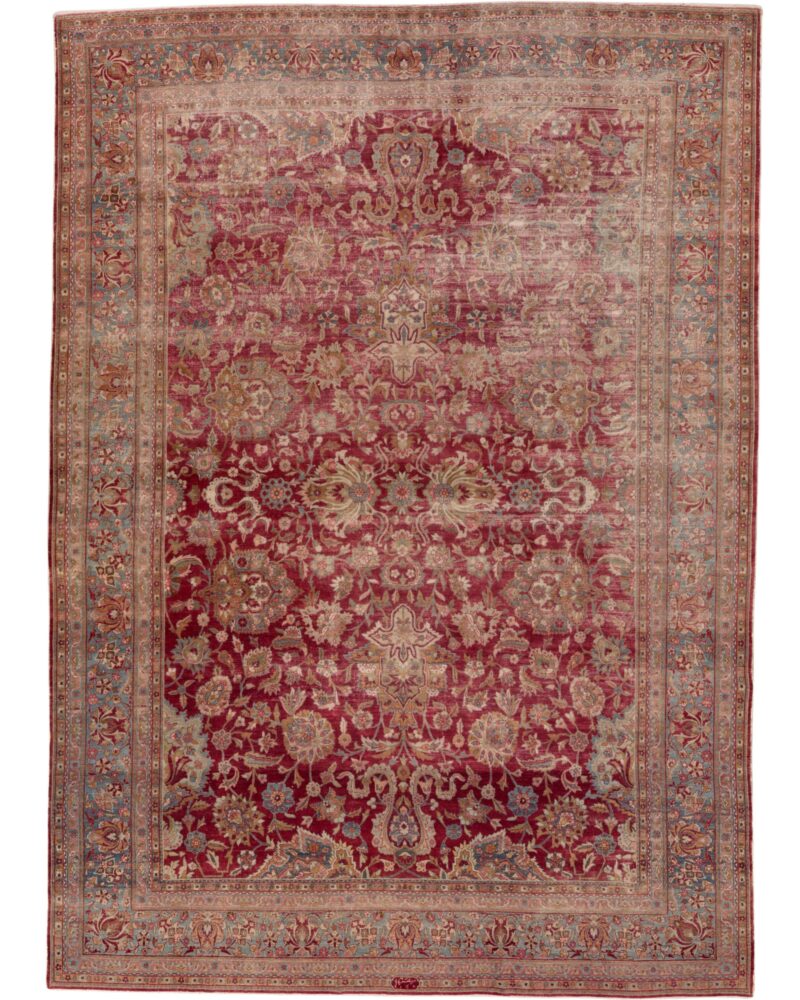
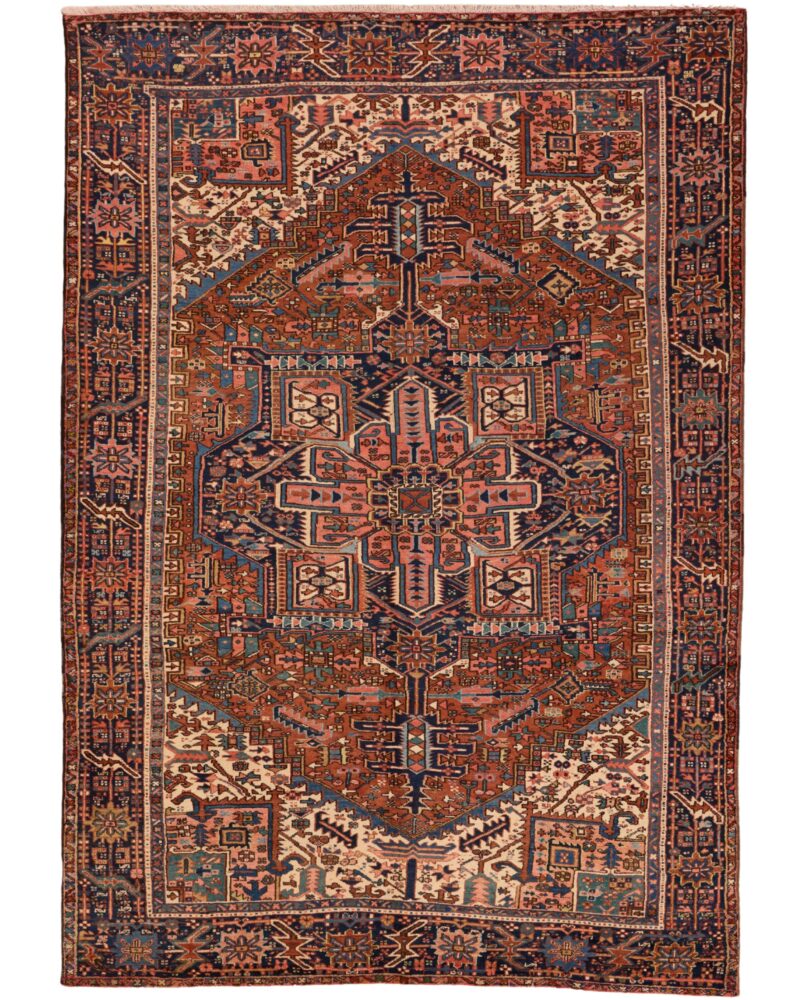
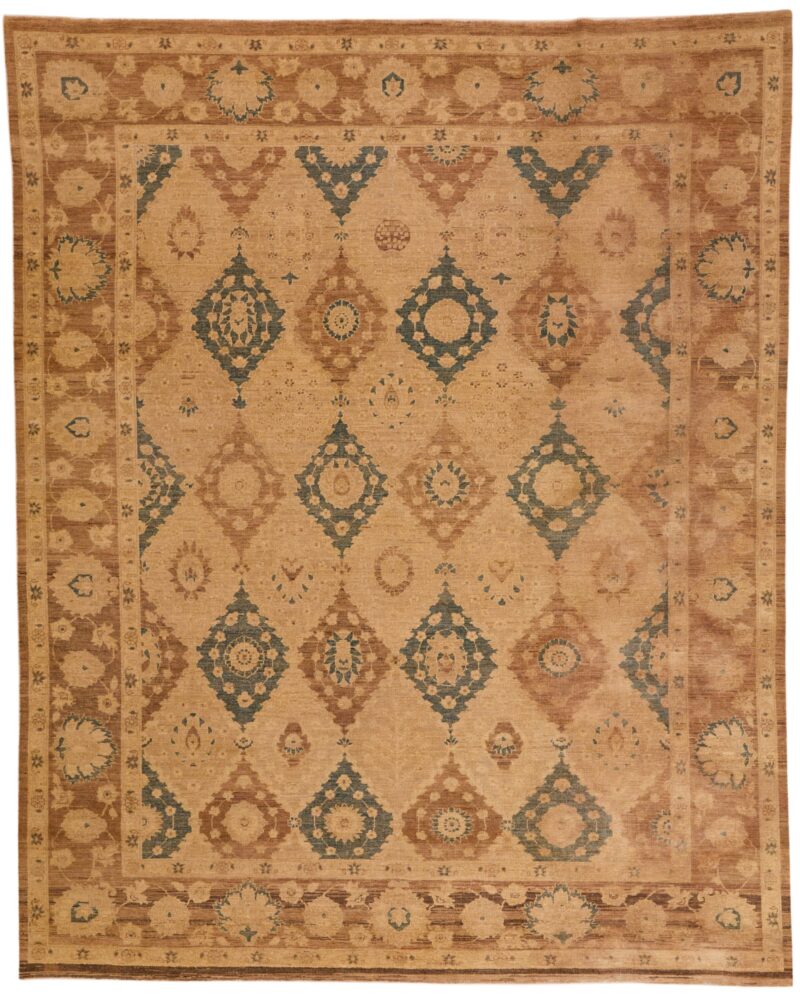
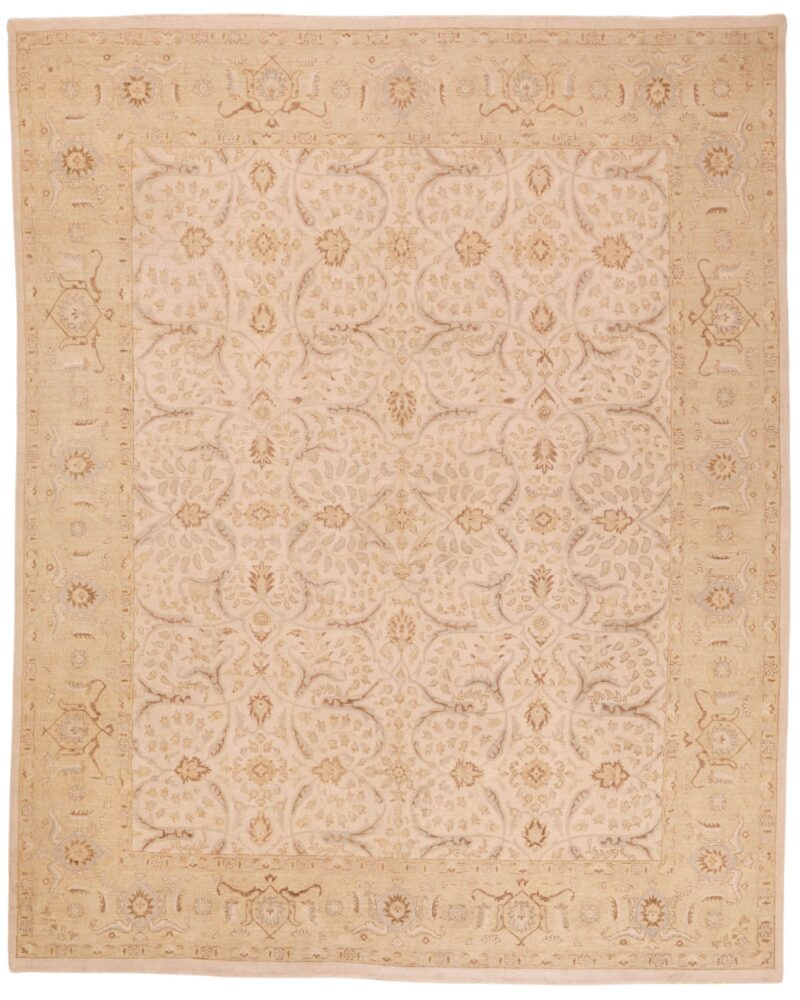
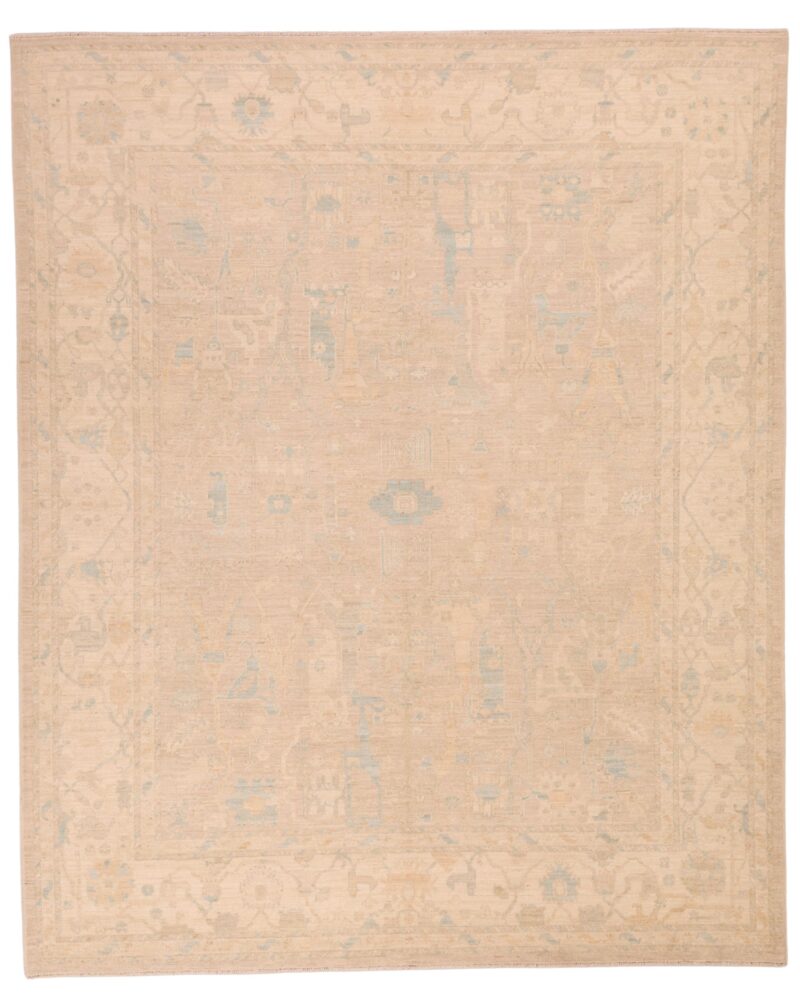
Traditional Vintage rugs bring hand-knotted Persian and Turkish design into homes with decades of softened color and character. Weavers in Heriz, Kerman, Farahan, and Oushak shaped these patterns over generations. Medallions, floral sprays, and bordered fields define the look. Aged wool develops a gentle sheen that new rugs lack. Traditional Vintage rugs suit homeowners who want warmth, depth, and lasting craftsmanship. Our Colorado team has cleaned and restored these rugs for years, and we know how they age.
What Defines Traditional Vintage Rugs?
Traditional Vintage rugs are hand-knotted with the symmetrical Turkish knot or the asymmetrical Persian knot. Wool pile sits on a cotton foundation, though some older village pieces use wool foundations. Pile height typically measures 0.25 to 0.5 inches after decades of wear. Fine city workshops tie more knots per square inch, which sharpens the pattern lines. Heriz rugs from northwest Iran favor bold geometric medallions, while Kerman and Sultan Abad pieces lean toward softer floral detail.
Color tells the age of a rug. Natural dyes such as madder red, indigo blue, and walnut brown mellow into muted tones over time. Oushak rugs from western Turkey often show soft apricot, sage, and gold on open fields. Farahan and Lavar Kerman designs favor rich reds, deep blues, and ivory grounds. Repeating borders frame each field, and small irregularities in the knotting show the human hand at work.
Which Features Matter Most in Traditional Vintage Rugs?
Traditional Vintage rugs reward buyers who check a few construction details before choosing. Review these five features first:
- Material: hand-spun wool pile, usually on a cotton foundation
- Pile height: typically 0.25 to 0.5 inches, lower on well-walked pieces
- Durability: often 50 years or more of use with routine care and occasional repair
- Size range: from about 5 x 8 feet up to oversized rugs near 14 x 10 feet
- Care level: moderate, with regular vacuuming and professional washing every few years
Traditional Vintage Rug Quick Facts
| Attribute | Typical value | Why it matters |
|---|---|---|
| Construction | Hand-knotted, typically Persian or Turkish knot | Knotting gives strength and allows detailed patterns. |
| Pile height | Typically 0.25 to 0.5 inches | Low pile resists crushing and suits busy rooms. |
| Foundation | Typically cotton, sometimes wool | A firm base keeps the rug flat and square. |
| Dyes | Typically natural or early vegetable-based colors | Natural dyes age into soft, varied tones. |
| Professional wash | Typically every 2 to 4 years | Regular washing removes grit that wears fibers. |
How Do You Style Traditional Vintage Rugs at Home?
Traditional Vintage rugs anchor living rooms, dining rooms, and bedrooms with equal ease. A Heriz or Kerman suits wood furniture, leather chairs, and classic upholstery. Oushak rugs in soft apricot or sage also work in transitional and modern rooms. Pair rust and blue tones with neutral walls, or let a muted rug carry the color in a quiet space. Visit our Antique & Vintage Rugs collection to compare related styles.
Size the rug so the front legs of all seating rest on it. In dining rooms, leave at least 24 inches beyond the table edge so chairs stay on the rug when pulled out. Large rooms suit the 14 x 10 foot pieces. Use a quality pad under every rug to prevent slipping and cushion the knots. Our rug padding service matches the pad to your floor type.
Frequently Asked Questions
What size Traditional Vintage rug should I buy for my living room?
Traditional Vintage rugs should be large enough for at least the front legs of your sofa and chairs. An 8 x 10 foot rug fits most seating groups. Larger rooms suit 10 x 14 feet. Leave 12 to 24 inches of bare floor around the edges.
How do you clean a Traditional Vintage rug?
Traditional Vintage rugs need gentle vacuuming without a beater bar, plus a professional wash every few years. Hand washing protects older dyes and wool. Blot spills right away with a clean white cloth, and avoid household carpet cleaners. Our rug cleaning service handles vintage wool safely.
Are Traditional Vintage rugs durable enough for daily use?
Traditional Vintage rugs are durable because dense wool pile and hand-knotted foundations resist wear. Many have already lasted decades. Hallways, dining rooms, and living areas suit them well. Rotate the rug once a year, use a pad, and repair fringe or edge damage early.
How can you tell a handmade vintage rug from a machine-made copy?
A handmade vintage rug shows knots on the back, and the pattern looks slightly uneven there. Machine-made copies have a perfectly uniform back and often a glued or stitched fringe. Handmade fringe extends from the warp threads of the rug itself. Colors in a genuine piece vary subtly across the field.