


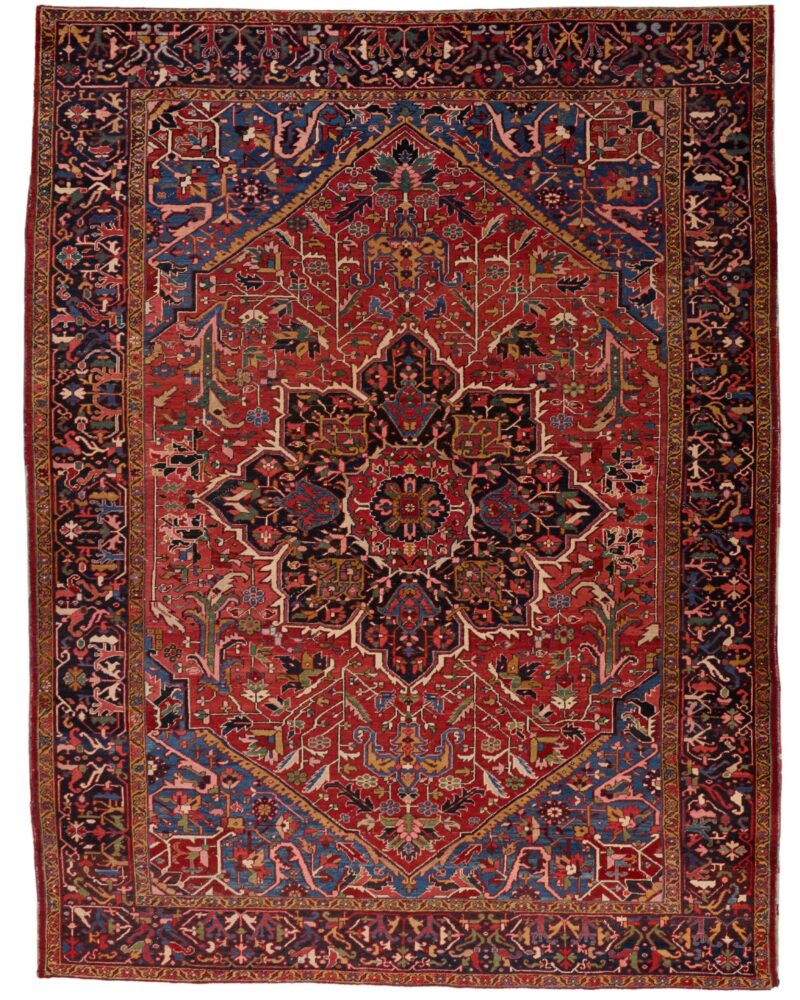
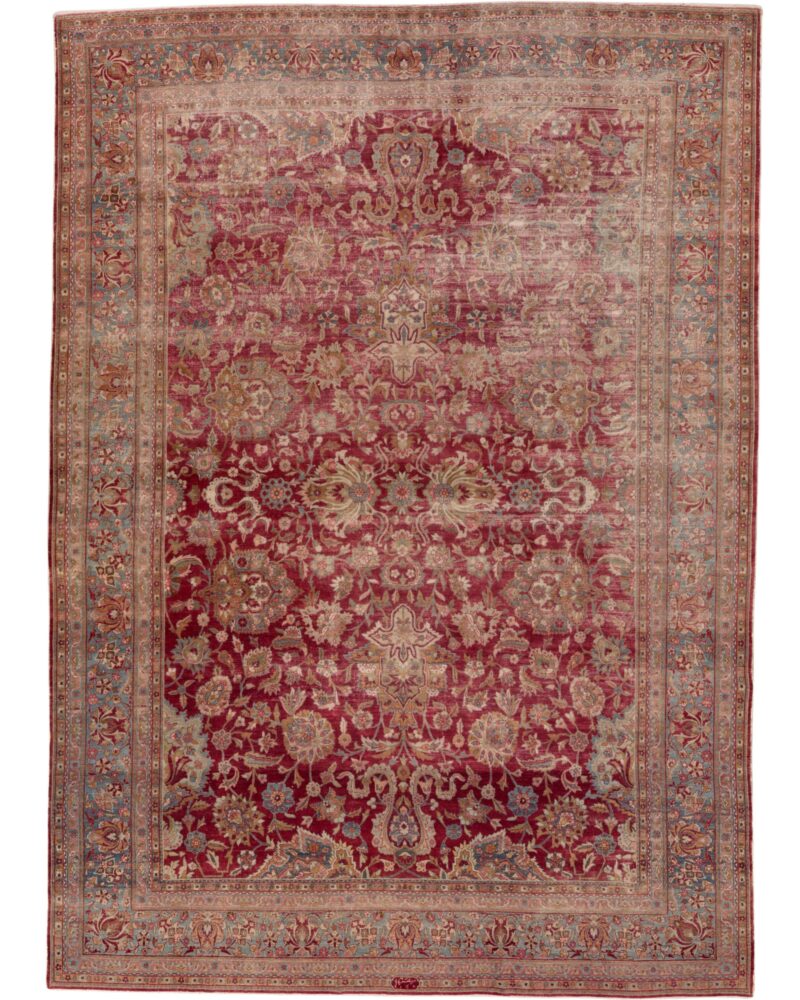
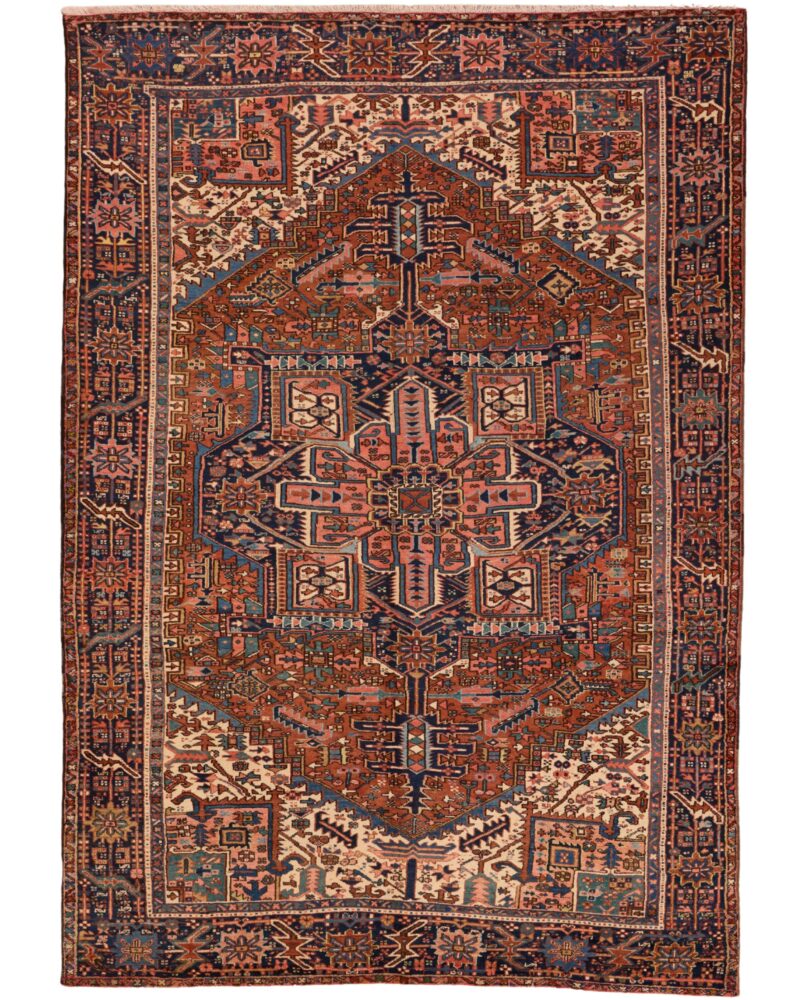
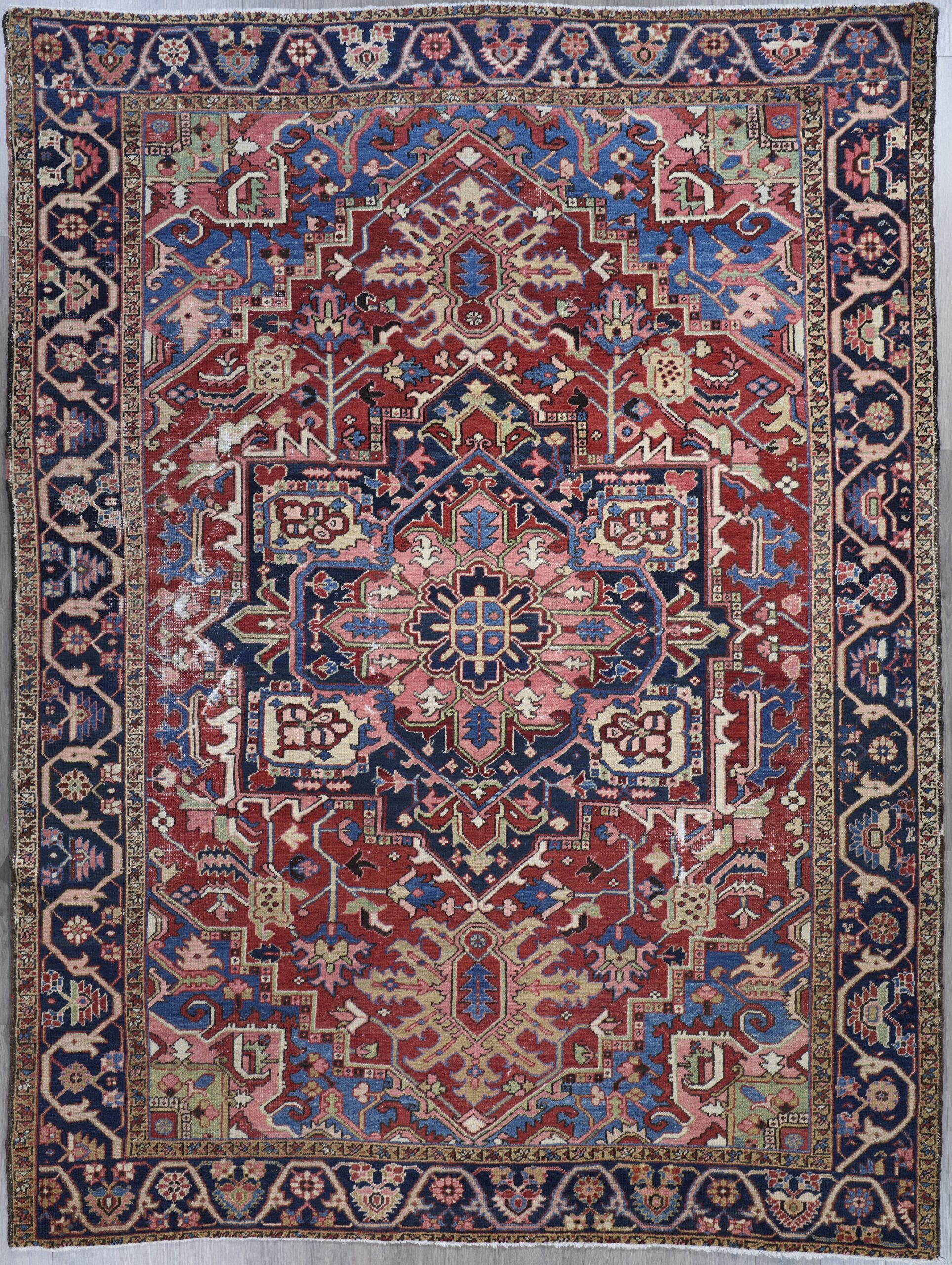
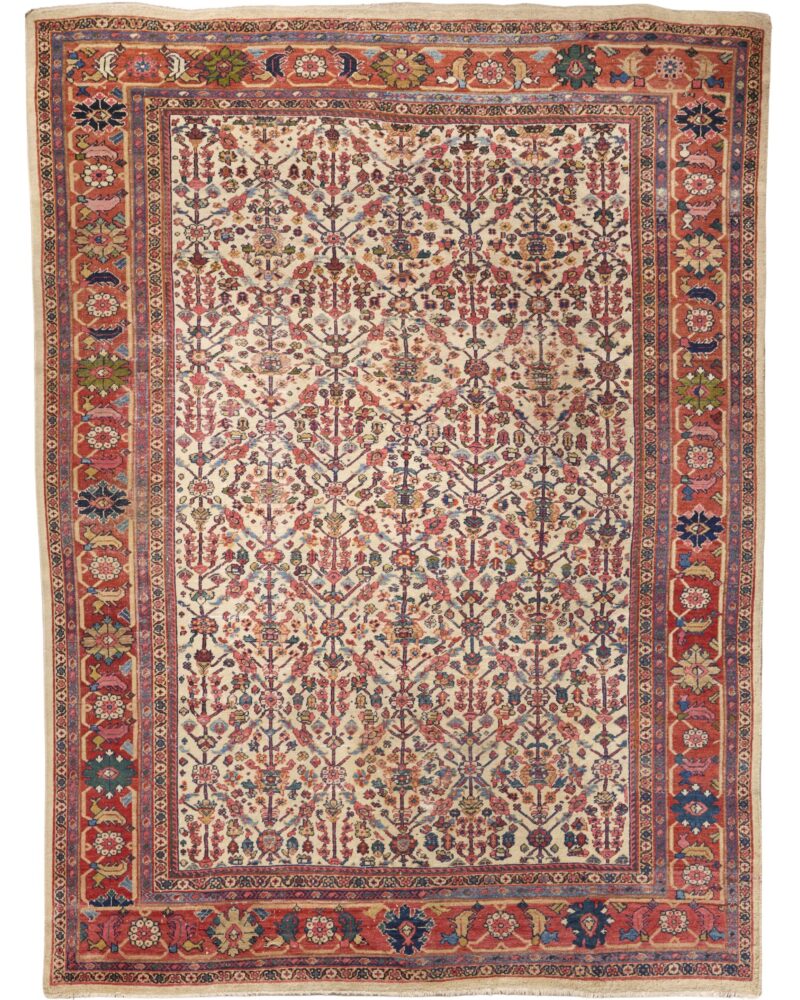
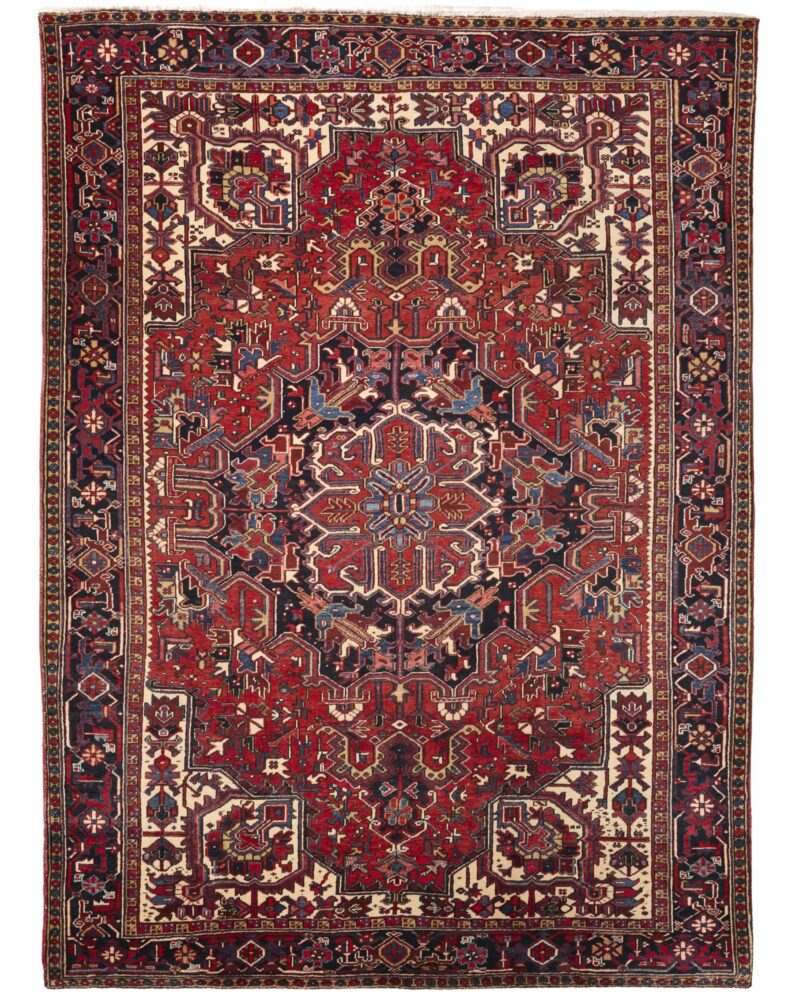
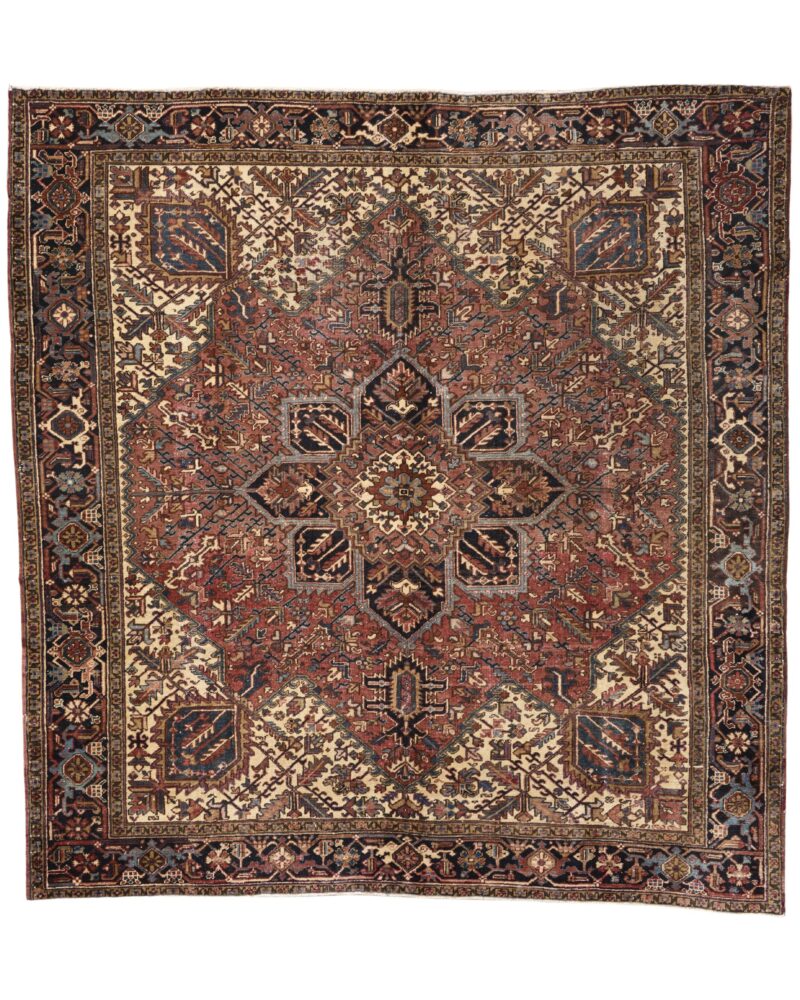
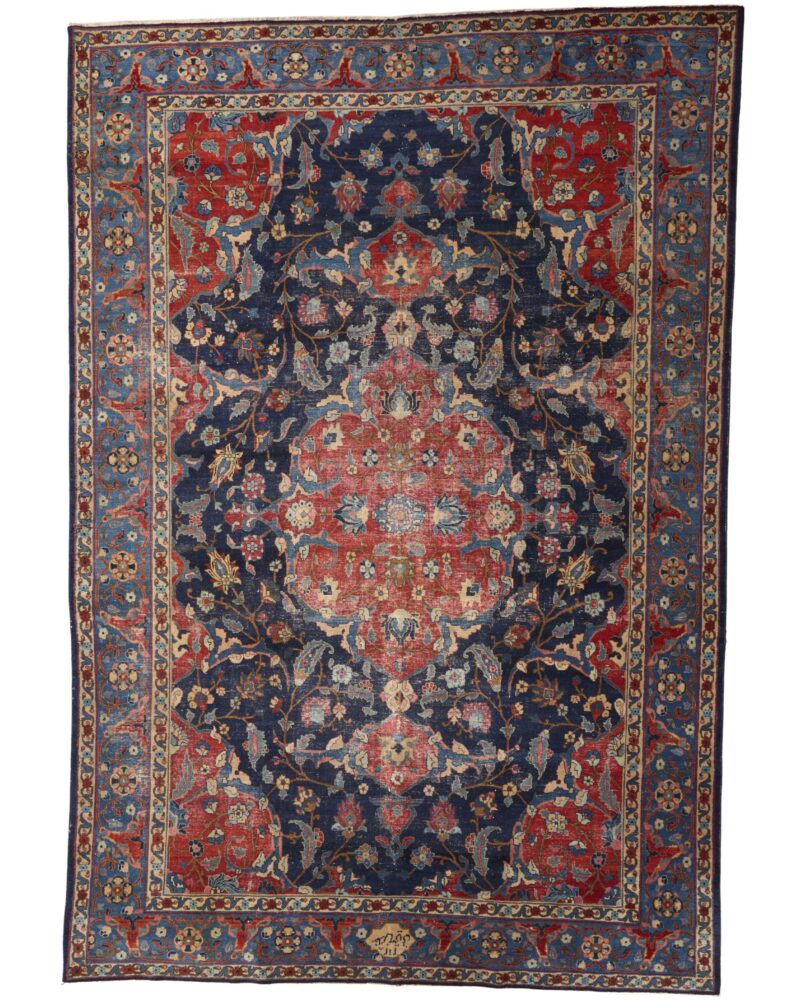
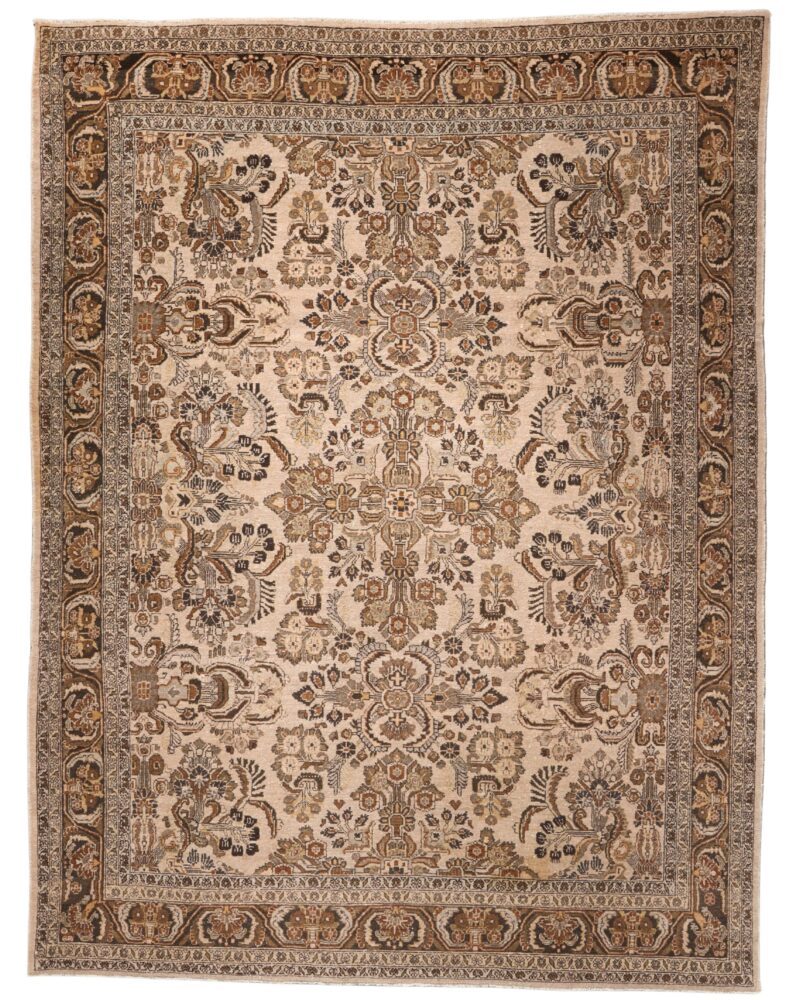
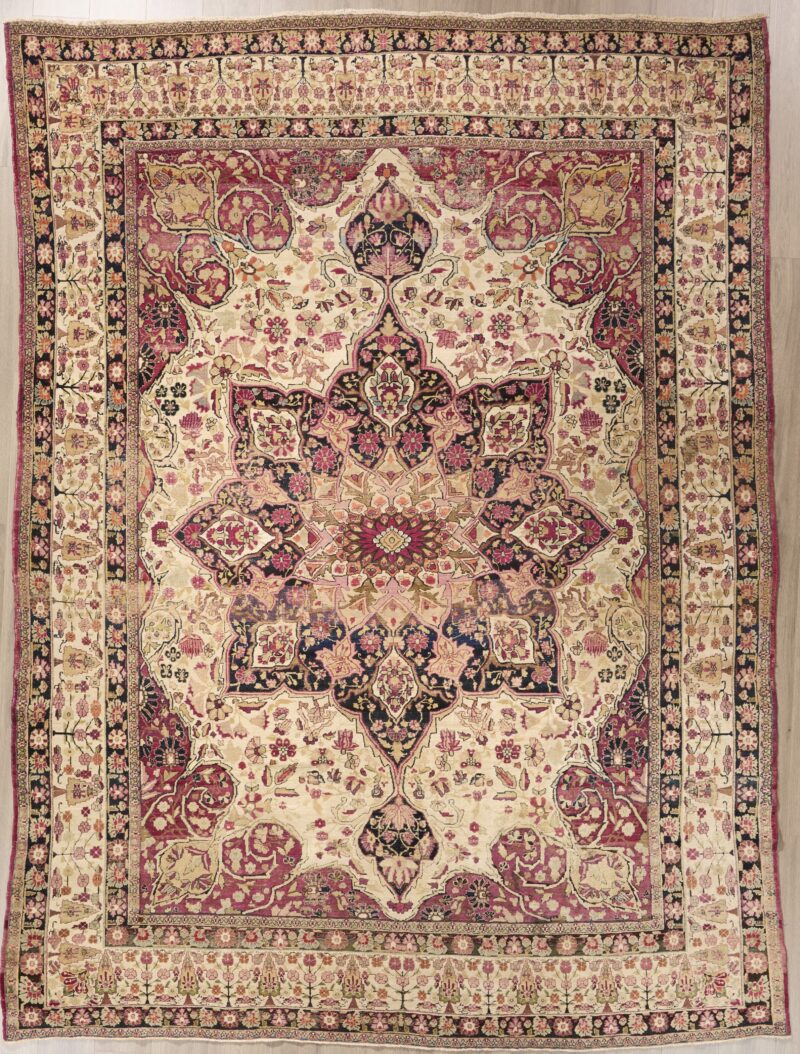
Vintage Antique rugs are hand-knotted pieces made decades to over a century ago, valued for their aged wool, softened dyes, and traditional designs. Weavers in Persia and Anatolia developed these patterns in village workshops and city looms. Vintage Antique rugs suit collectors, traditional and transitional homes, and buyers who want a durable floor piece with real history. Each rug carries its own wear, color shifts, and character.
What Defines Vintage Antique Rugs?
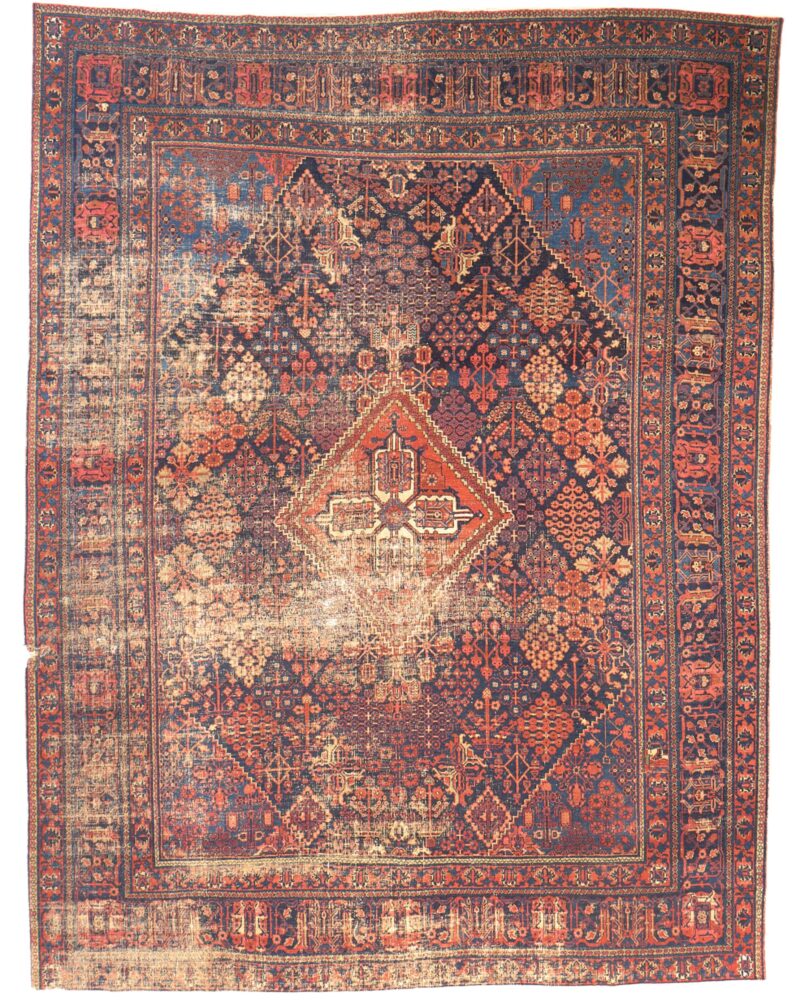
Vintage Antique rugs use hand-knotted construction on cotton or wool foundations. Weavers tie each knot individually, usually with the symmetrical Turkish knot or the asymmetrical Persian knot. The pile is typically low to medium, about 0.25 to 0.5 inches, after decades of use. Heriz, Mahal, Tabriz, Joshaghan, Khuy, and Oushak rugs all come from established weaving regions in Iran and Turkey.
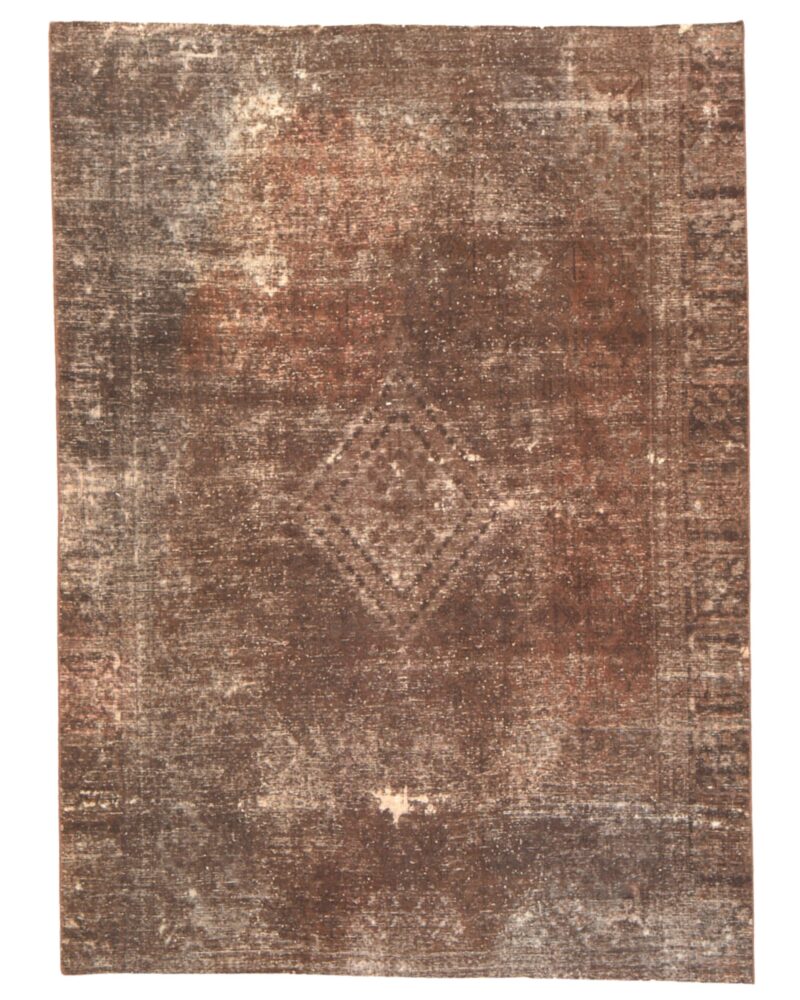
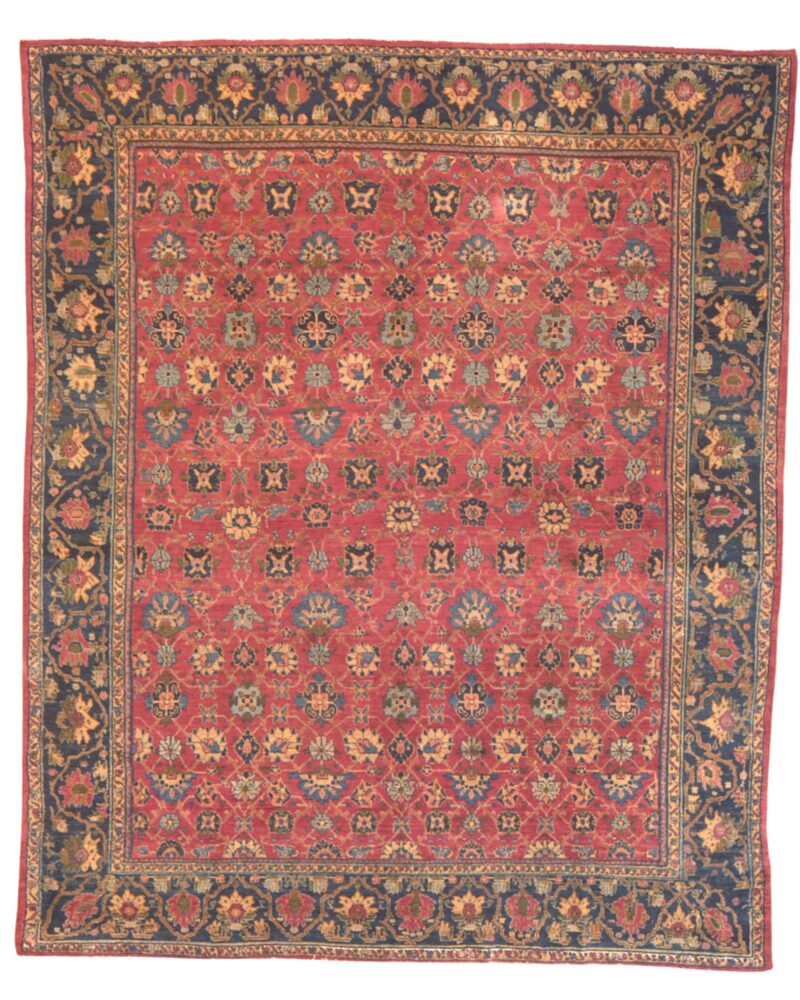
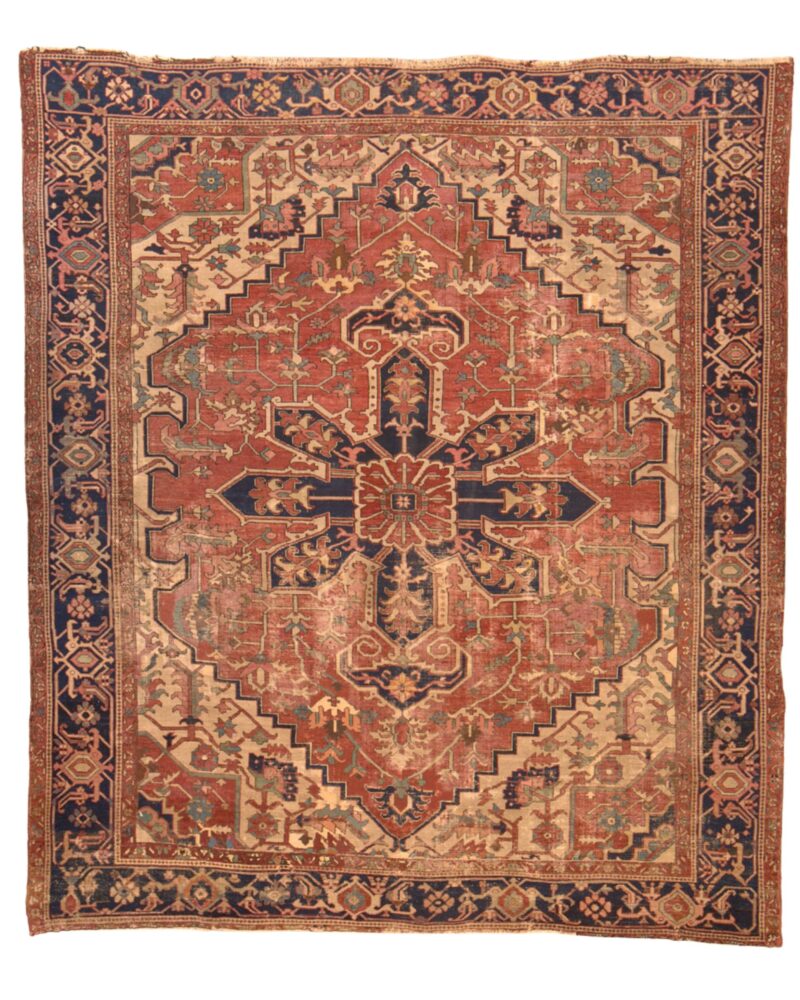
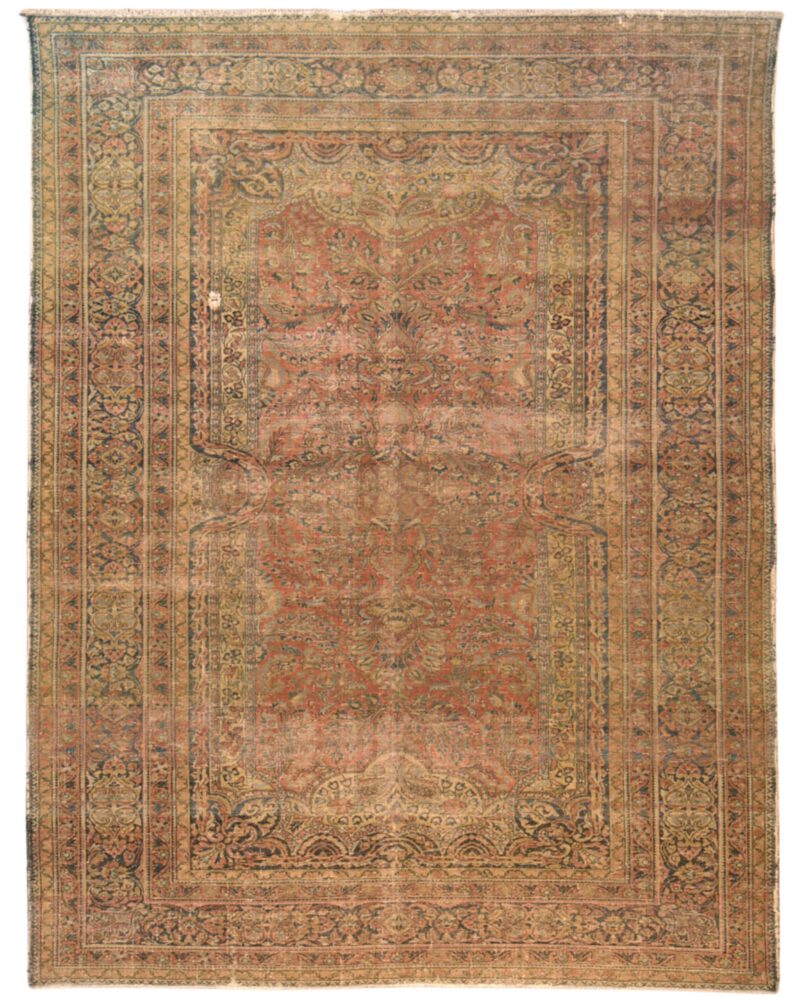
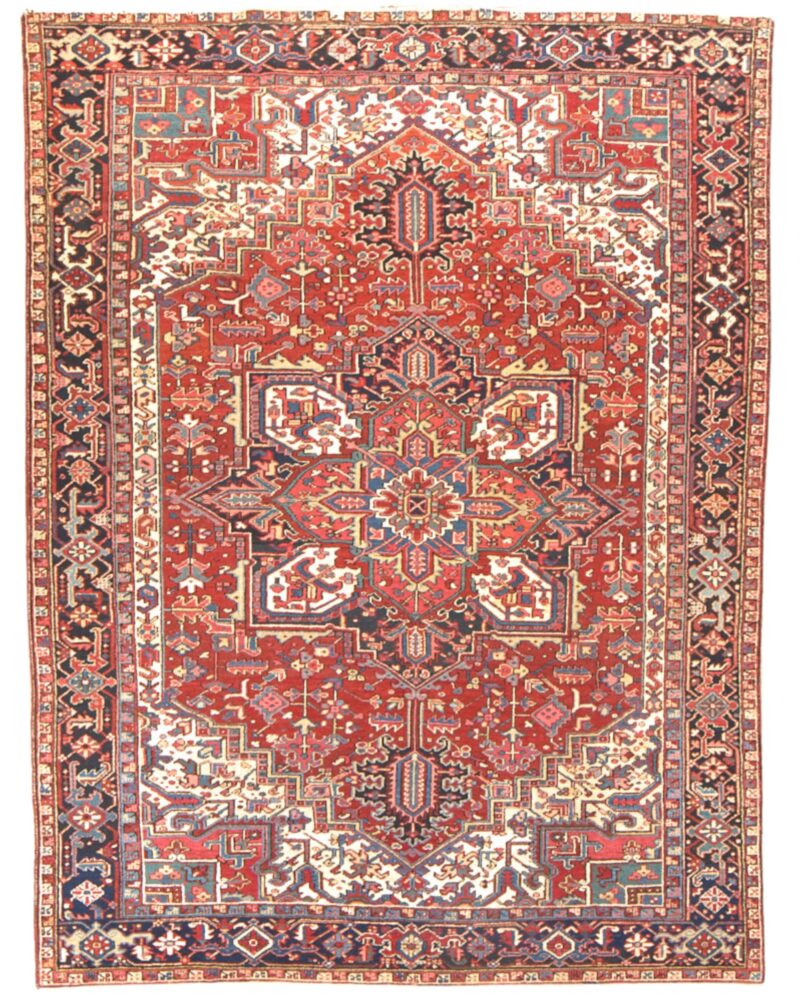
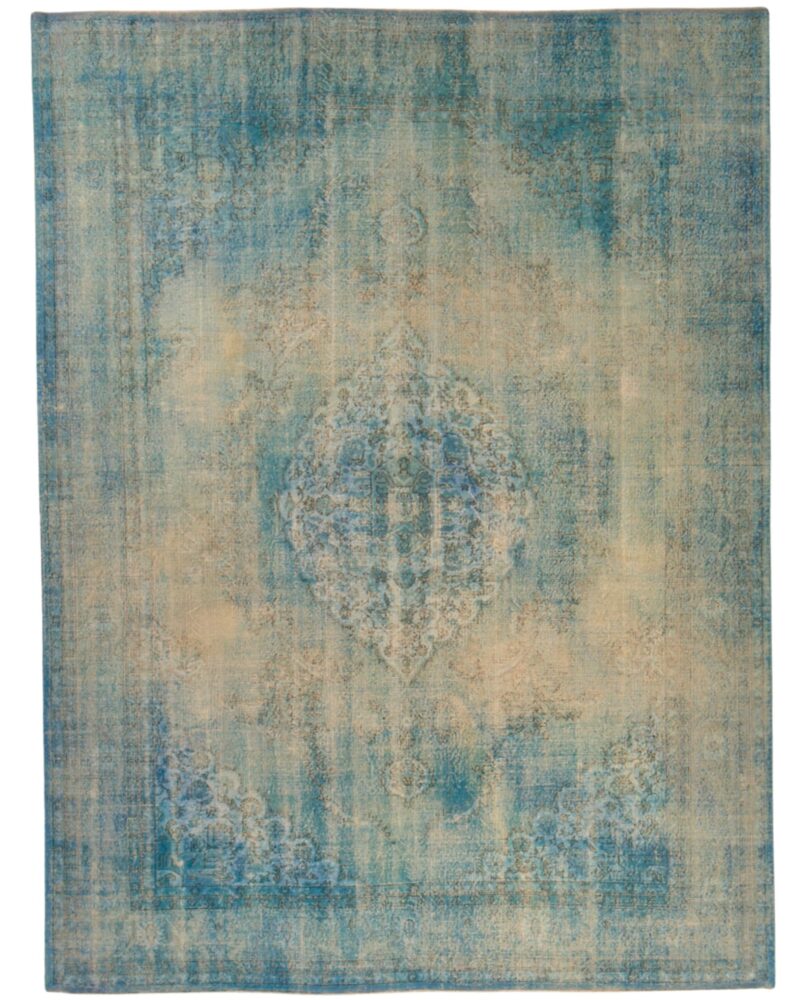
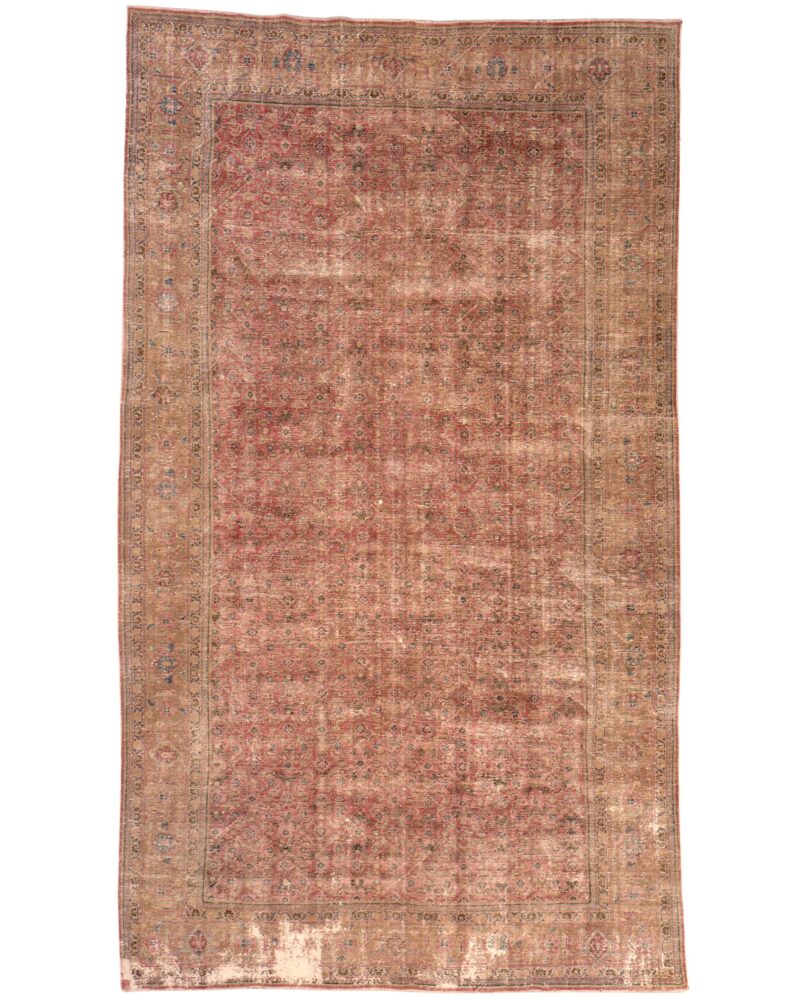
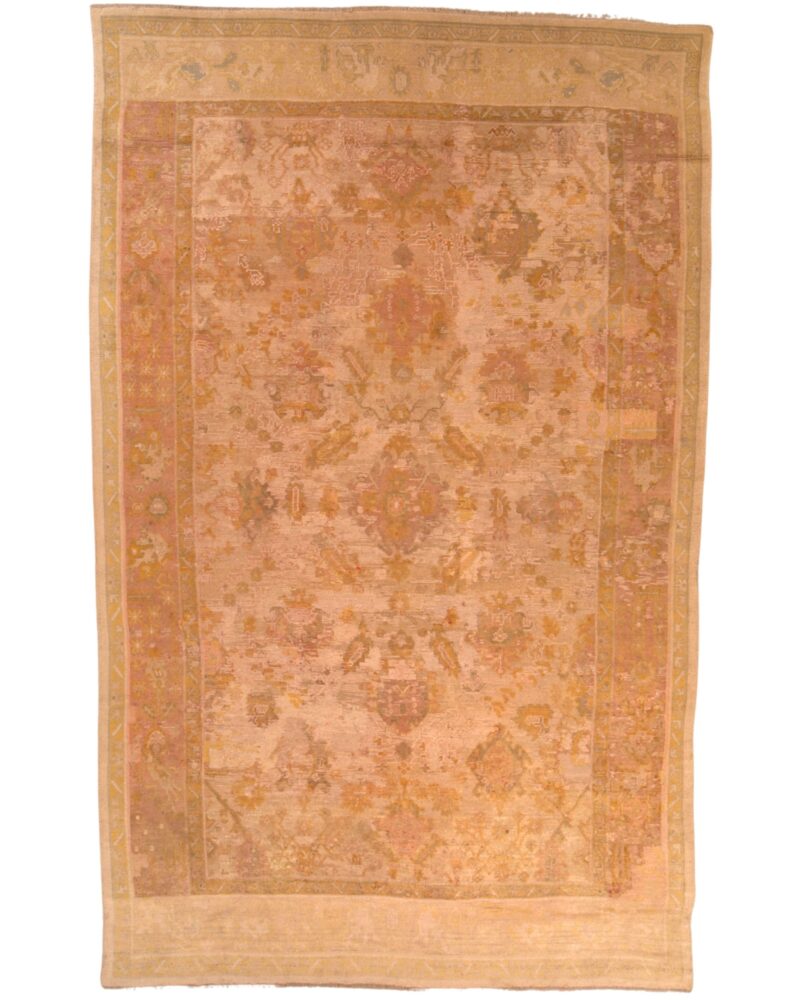
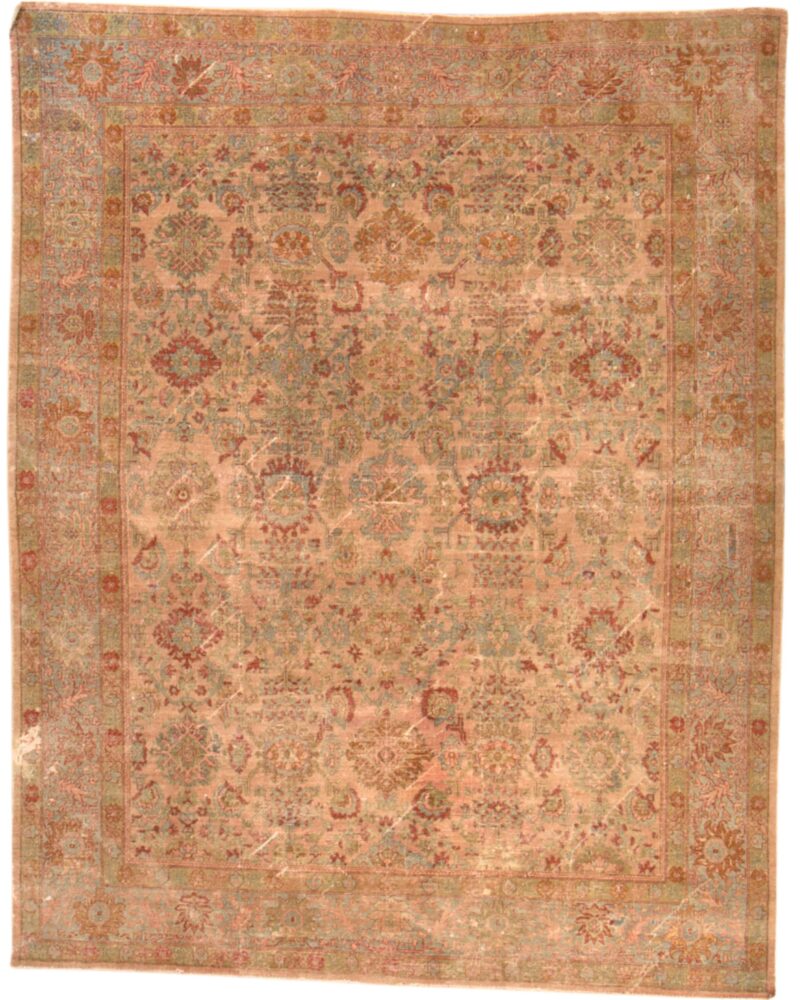
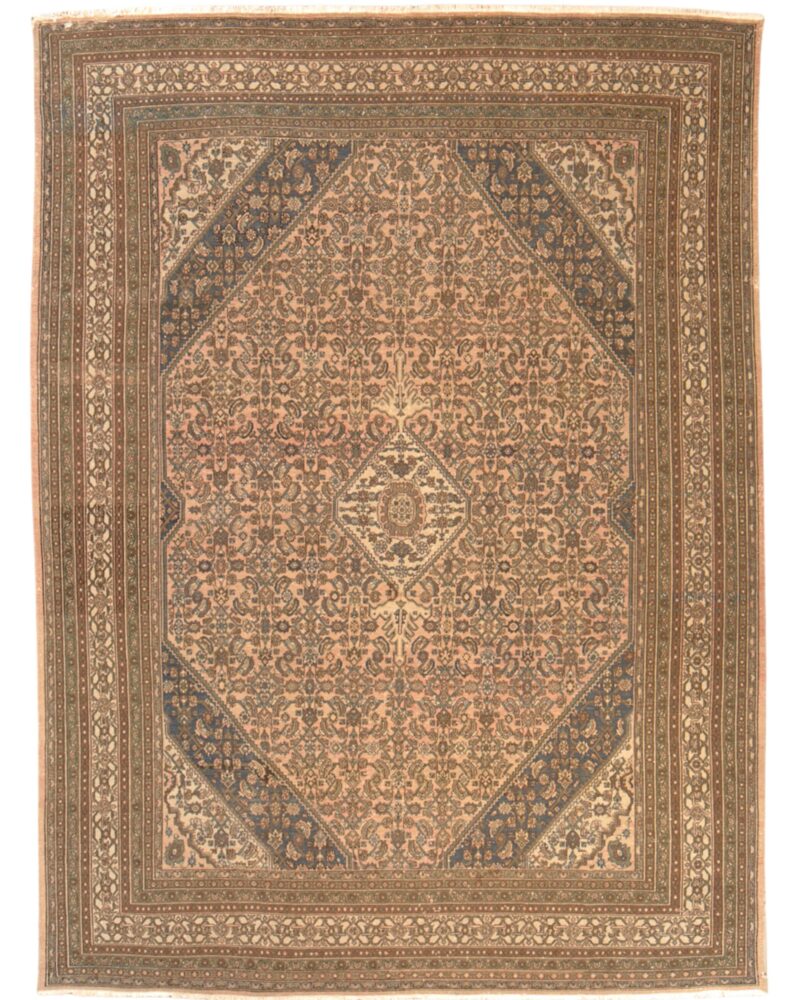
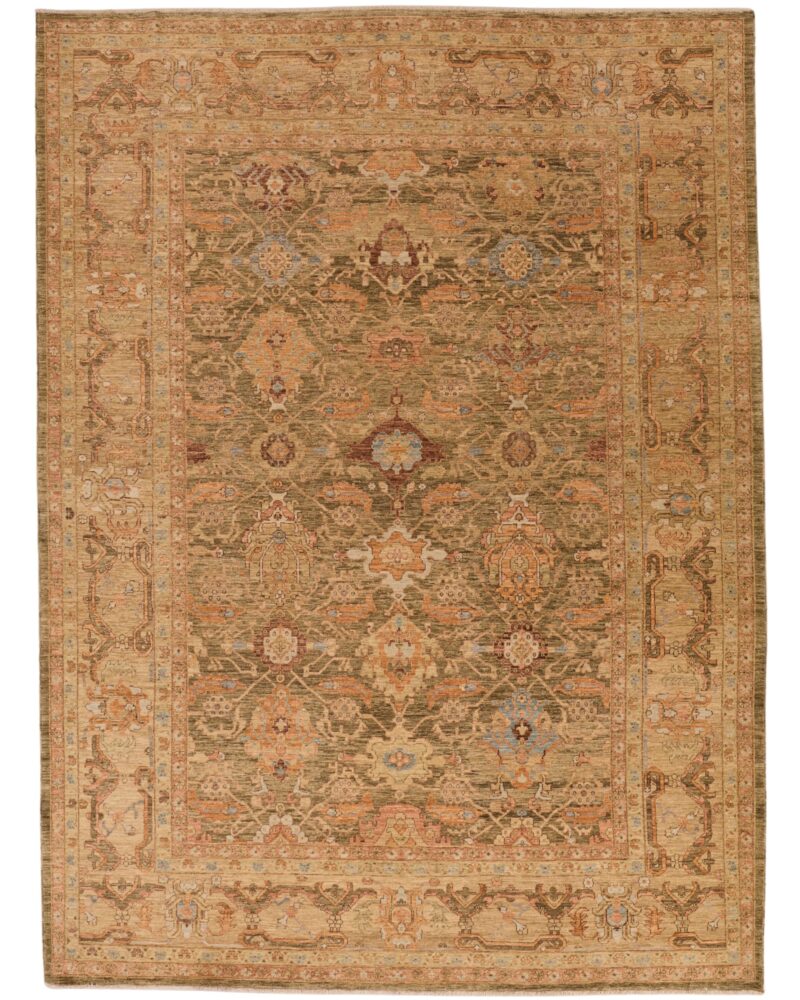
Wool is the dominant material, dyed with natural or early synthetic colors that mellow over time. Palettes include brick red, indigo, ivory, soft gold, and muted sage. Heriz rugs favor bold geometric medallions with angular borders. Mahal and Joshaghan rugs lean toward floral and all-over designs. Turkish Oushak rugs, such as a late 19th-century example, show looser drawing and washed, earthy tones. Overdyed Tabriz pieces carry a deliberately recolored surface.
Which Features Matter Most in Vintage Antique Rugs?
Vintage Antique rugs reward buyers who check a few practical features before choosing.
- Material: hand-spun wool pile, typically on a cotton or wool foundation
- Pile height: typically 0.25 to 0.5 inches, lower in well-used areas
- Durability: often decades of additional use when the foundation and edges are sound
- Size range: typically 8 x 10 feet up to large palace sizes of 10 x 15 feet and beyond
- Care level: moderate, with periodic professional washing and prompt attention to edge or fringe damage
Vintage Antique Rug Quick Facts
| Attribute | Typical value | Why it matters |
|---|---|---|
| Construction | Typically hand-knotted wool on cotton | Hand knotting gives strength and allows repair |
| Age | Typically 50 to 150 years | Age shapes color softness and wear patterns |
| Pile height | Typically 0.25 to 0.5 inches | Low pile suits dining rooms and busy halls |
| Common sizes | Typically 8 x 10 to 10 x 15 feet | Large formats anchor open living spaces |
| Cleaning interval | Typically every 1 to 3 years | Regular washing removes grit that cuts fibers |
How Do You Style Vintage Antique Rugs at Home?
Vintage Antique rugs work well in living rooms, dining rooms, libraries, and bedrooms. They pair with traditional, transitional, farmhouse, and even modern interiors. A Heriz in rust and blue warms a neutral sofa group. An Oushak in faded gold and sage softens a minimalist room. Solid walls and quiet upholstery let the rug carry the pattern. Explore related tribal rugs for more hand-knotted character.
Sizing rules keep the layout balanced. In a living room, place at least the front legs of all seating on the rug. In a dining room, leave 24 to 30 inches beyond the table edge so chairs stay on the pile. Use a quality pad to protect the foundation and prevent slipping. Our team can arrange rug padding matched to your rug’s size and floor.
Frequently Asked Questions
What size Vintage Antique rug should I buy for a living room?
Vintage Antique rugs for living rooms typically measure 8 x 10 or 9 x 12 feet. Choose a size that holds at least the front legs of every seat. Larger rooms may suit 10 x 14 feet or more. Leave 12 to 18 inches of bare floor around the edges.
How do you clean a Vintage Antique rug?
Vintage Antique rugs need gentle, specialist washing rather than store-bought machines or harsh chemicals. Vacuum without a beater bar between cleanings. Have a professional test the dyes first, then wash by hand. Our rug cleaning service handles aged wool with dye-safe methods.
Are Vintage Antique rugs durable enough for daily use?
Vintage Antique rugs are durable when the foundation, knots, and edges remain sound. Hand-knotted wool often outlasts machine-made rugs by decades. Place them in dining rooms, hallways, and living areas with a good pad. Rotate them yearly and repair fringe or edge wear early.
How can I tell a handmade Vintage Antique rug from a machine-made one?
Handmade Vintage Antique rugs show knots tied individually, visible on the back as slightly irregular dots. Machine-made rugs show perfectly uniform backing and often have glued or sewn fringe. Small design variations and natural dye shifts also point to hand weaving. A professional appraisal confirms origin and age.