


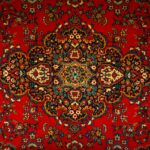
Hand-Knotted vs Machine-Made Rugs: Understanding the Difference
July 26, 2026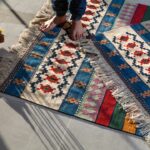
Wool vs Silk Rugs: A Comprehensive Guide to Choosing the Best Material for Your Home
July 27, 2026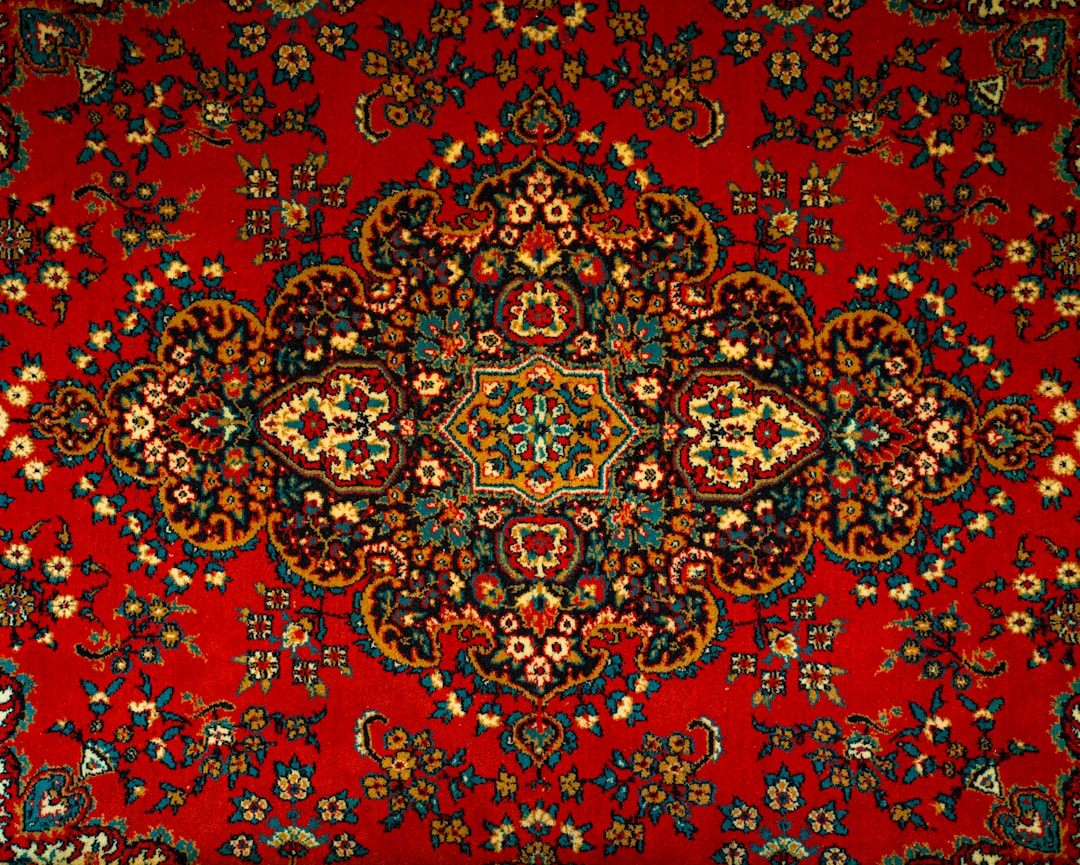
When considering the purchase of a premium area rug, it’s essential to understand the intricacies of How to Identify an Authentic Persian Rug Before You Buy. This process requires a deep understanding of the historical, cultural, and technical aspects of these exquisite pieces. As a professional rug care specialist with years of hands-on experience cleaning, repairing, and restoring rugs, I will guide you through the process of identifying a genuine Persian rug, helping you make an informed decision when investing in one of these valuable pieces. For those interested in learning more about the different types of Persian rugs, I recommend exploring our Antique & Vintage Rugs collection, which features a wide range of authentic, high-quality pieces.
Understanding Authentic Persian Rug Identification
Authentic Persian rug identification is an art that involves verifying the authenticity and value of a Persian rug. This process is crucial for collectors, investors, and enthusiasts alike, as it helps determine the rug’s origin, age, and quality. To identify a genuine Persian rug, one must examine the rug’s materials, construction, design, and provenance. For instance, a genuine Persian rug is typically made from high-quality wool or silk, and its dyes are derived from natural sources such as plants and insects. The weaving technique used to create a Persian rug is also unique, with each knot being carefully tied by hand to create a dense and intricate pattern. For more information on the differences between natural and synthetic dyes, I recommend reading Natural vs Synthetic Rug Dyes: Understanding the Difference.
The process of authentic Persian rug identification is complex and requires a thorough understanding of the different types of Persian rugs, including their materials, dyes, and weaving techniques. By understanding these factors, you can better identify the origin and authenticity of a Persian rug. For example, a Persian rug from the Isfahan region is typically made from high-quality wool and features intricate floral patterns, while a rug from the Tabriz region is often made from silk and features bold, geometric designs. To learn more about the various types of Persian rugs, I suggest visiting our Classic & Traditional Rugs page, which showcases a range of traditional Persian rug designs and patterns.
How Does the Authentic Persian Rug Identification Process Work?
Authentic Persian rug identification involves a combination of visual inspection, historical research, and technical analysis. The first step is to examine the rug’s overall appearance, looking for signs of wear, damage, or restoration. Next, the rug’s materials, dyes, and weaving technique are analyzed to determine its origin and age. This may involve examining the rug’s fibers, dyes, and knots, as well as researching its historical context and provenance. By understanding the different types of Persian rugs and their characteristics, you can better identify the authenticity and value of a Persian rug. Learn more about Rug Storage.
In addition to visual inspection and historical research, technical analysis is also an essential part of authentic Persian rug identification. This may involve using specialized equipment, such as a microscope or a spectrometer, to analyze the rug’s fibers, dyes, and other materials. For instance, a spectrometer can be used to determine the chemical composition of the dyes used in the rug, which can help identify its origin and age. To learn more about the technical aspects of Persian rug identification, I recommend reading Understanding Rug Knot Density: A Comprehensive Guide to KPSI and Its Importance.
Identifying the Main Types of Authentic Persian Rugs
There are several main types of authentic Persian rugs, each with its own unique characteristics and features. These include Antique & Vintage Rugs, which are highly valued for their historical significance, rarity, and beauty. Other types of Persian rugs include Classic & Traditional Rugs, which are known for their timeless designs and classic patterns, and Contemporary & Modern Rugs, which feature modern designs and patterns created by contemporary artists and designers. By understanding the different types of Persian rugs and their characteristics, you can better identify the authenticity and value of a Persian rug.
Each of these types of Persian rugs has its own unique characteristics and features, and understanding these differences is essential for authentic Persian rug identification. For instance, an antique Persian rug may feature a more subdued color palette and intricate floral patterns, while a contemporary Persian rug may feature bold, geometric designs and bright colors. To learn more about the different types of Persian rugs and their characteristics, I suggest visiting our website and exploring our various rug collections.
Key Factors in Authentic Persian Rug Identification
There are several key factors to consider when identifying an authentic Persian rug. These include the materials used to make the rug, such as wool or silk, the type and quality of dyes used to color the rug, the weaving technique used to create the rug, and the rug’s design and provenance. By examining these key factors, you can determine the authenticity and value of a Persian rug. For example, a rug made from high-quality wool and featuring intricate, hand-knotted designs is likely to be more valuable than a rug made from lower-quality materials and featuring machine-made patterns.
In addition to these key factors, it’s also essential to consider the rug’s condition and any signs of wear, damage, or restoration. A genuine Persian rug may show signs of wear, such as fading or discoloration, but it should not have any significant damage or repairs. To learn more about the importance of rug maintenance and care, I recommend reading DIY vs Professional Rug Cleaning: Which is Better for Your Rug?.
My Experience with Authentic Persian Rug Identification
As a professional rug care specialist with years of hands-on experience cleaning, repairing, and restoring rugs, I have had the privilege of working with numerous Persian rugs over the years, each with its own unique characteristics and features. One of the most memorable experiences was when I was tasked with identifying a rare, antique Persian rug that had been passed down through generations of a family. The rug was in excellent condition, with intricate designs and patterns that were still vibrant and colorful despite its age.
Through a combination of visual inspection, historical research, and technical analysis, I was able to determine that the rug was indeed an authentic, antique Persian rug, made from high-quality wool and featuring intricate, hand-knotted designs. The rug’s provenance was also verified, with documents and records showing its ownership and history over the years. This experience highlighted the importance of authentic Persian rug identification, not only for determining the value and authenticity of a rug but also for preserving its cultural and historical significance.
Caring for Your Authentic Persian Rug
Once you have identified and purchased an authentic Persian rug, it’s essential to care for it properly to maintain its beauty and value. This includes regular cleaning, rotating the rug to ensure even wear and tear, avoiding direct sunlight, and using a rug pad to prevent slipping and creasing. By following these care tips, you can help extend the life of your authentic Persian rug and maintain its beauty and value for years to come.
In addition to these care tips, it’s also essential to consider professional cleaning and restoration services, such as those offered by Rug Cleaning and Rug Repair & Restoration, to ensure that your rug receives the best possible care. By understanding the importance of proper care and maintenance, you can enjoy your authentic Persian rug for generations to come.
FAQ
What is the Difference Between a Real Persian Rug and a Fake One?
A real Persian rug is made from high-quality materials, such as wool or silk, and features intricate, hand-knotted designs. A fake Persian rug, on the other hand, may be made from lower-quality materials and feature machine-made patterns. To learn more about the differences between real and fake Persian rugs, I recommend reading Hand-Knotted vs Machine-Made Rugs: Understanding the Difference.
The difference between a real and fake Persian rug can be significant, not only in terms of value but also in terms of quality and durability. By understanding the characteristics of a genuine Persian rug, you can make an informed decision when purchasing one of these valuable investments.
Sources:
Wikipedia: Persian Rug
The Metropolitan Museum of Art: Persian Rugs
While Persian rugs are renowned for their intricate designs and patterns, another type of rug that has gained popularity in recent years is the Gabbeh rug. Originating from the Fars province in southwestern Iran, Gabbeh rugs are known for their simple, modern designs and soft, thick piles. For those interested in learning more about the history and unique characteristics of Gabbeh rugs, I recommend reading What is a Gabbeh Rug? History and Unique Characteristics Explained, which provides an in-depth look at the origins and distinct features of these beautiful rugs. Whether you’re a seasoned collector or simply looking to add a touch of warmth and elegance to your home, understanding the different types of rugs available can help you make an informed decision and find the perfect piece to suit your needs.
