

When to Repair Rug Fringes: A Practical Guide From the Workshop Floor
August 23, 2026Can Moth Damage on a Wool Rug Be Repaired?
August 29, 2026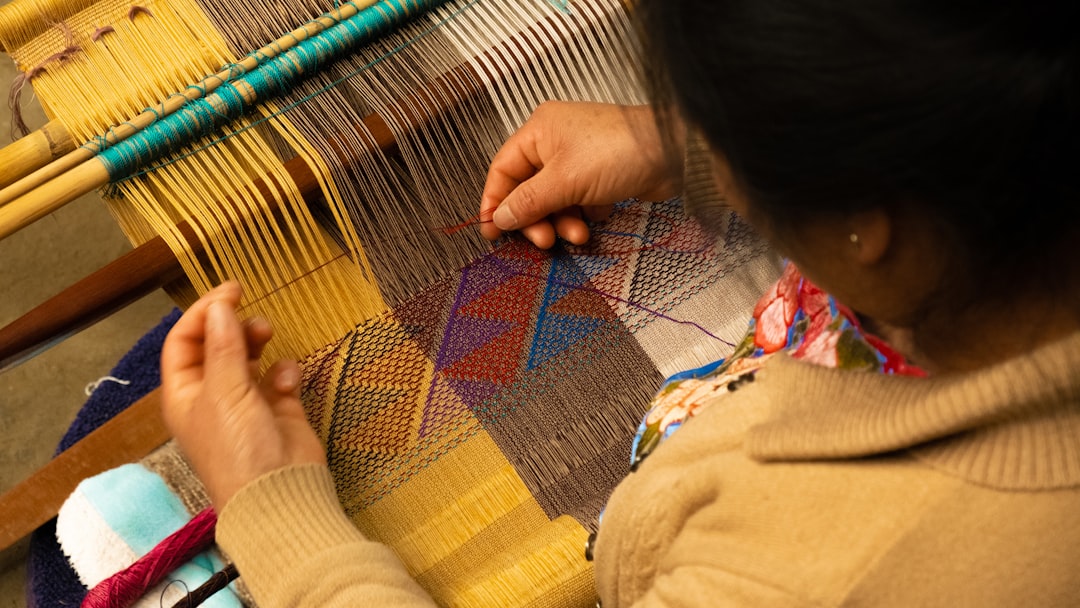
Watching a skilled restorer rebuild a fist-sized hole in a hundred-year-old Tabriz, thread by thread, until the repair vanishes into the surrounding field, is one of the more remarkable things you’ll witness in textile conservation. The rug reweaving process is the technique used to permanently rebuild missing or damaged sections of a hand-knotted rug by reconstructing the foundation and pile so they match the original construction, rather than patching over the damage. This article walks through how that process actually works, what separates it from other repair methods, what it costs, and how to tell whether your own rug is a good candidate for reweaving holes rather than a simpler fix.
What Is the Rug Reweaving Process and How Does It Work?
The rug reweaving process is a hand-executed restoration technique in which a technician rebuilds a damaged area of a rug from the foundation up, matching the original warp and weft structure, knot count, and pile height so the repaired zone integrates seamlessly with the surrounding weave. Unlike surface patches or fusible backing repairs, this method treats the hole or worn section as a missing piece of the original textile that must be regenerated using the same materials and techniques the original weaver used, whether that’s a Persian symmetrical knot, a Turkish Ghiordes knot, or a flatwoven kilim structure. Learn more about When to Repair Rug Fringes: A Practical Guide From the Workshop Floor.
The technician begins by stabilizing the perimeter of the damage, trimming frayed or rotted fibers back to sound foundation material, then rebuilding the warp threads (the vertical strands) across the gap using cotton, wool, or silk depending on the original construction. Once the warp is anchored, weft threads are woven horizontally, and individual knots are tied row by row using hand-dyed wool or silk yarn matched to the surrounding palette. A dense urban workshop rug with 150 knots per square inch can require 6 to 10 hours of labor to reweave a 2-inch by 2-inch hole, while a coarser tribal weave at 40-60 knots per square inch might take half that time for the same area.
Which Rug Types Respond Best to Oriental Rug Reweaving?
Hand-knotted rugs with consistent, traditional weave structures respond best to oriental rug reweaving, particularly Persian, Turkish, Caucasian, and Chinese pile rugs constructed on cotton or wool foundations. These rugs were built using repeatable knotting systems that a trained restorer can replicate accurately decades or even a century later, which is precisely why reweaving remains the gold standard for antique and semi-antique pieces.
Flatweave constructions such as kilims and soumaks can also be rewoven, though the technique shifts from knotting to interlocking weft-faced weaving, which demands a different skill set entirely. Machine-made rugs, by contrast, are generally poor candidates because their foundation is produced on power looms with synthetic backing that cannot be replicated by hand at a comparable cost; these pieces are usually better served by patching, edge binding, or replacement. Collectors and appraisers I’ve worked alongside consistently note that pieces from regions like Tabriz, Kashan, Heriz, and Bijar hold their reweaving investment better than lower-knot-count decorative pieces, simply because the underlying materials and density justify the labor.
Why Do Rugs Develop Holes That Require Reweaving?
Rugs develop holes that require reweaving primarily due to sustained foot traffic wearing through the pile and foundation, insect infestation from clothes moths or carpet beetles, water damage that rots cotton foundation threads, and structural stress at fold lines or high-pressure furniture points. Each cause leaves a distinct signature that a restorer reads before deciding on a repair approach.
Moth damage tends to appear as irregular, ragged holes with loose fibers scattered nearby, often concentrated in areas that were left folded or stored without airflow for extended periods. Traffic wear, by contrast, produces a smoother, more gradual thinning that eventually opens into a hole with a more defined edge, commonly found in walkways, in front of sofas, or at doorway thresholds. Water and pet urine damage frequently rot the cotton warp and weft before the wool pile shows visible loss, meaning the foundation can fail internally while the surface still looks intact.
How Can You Tell If Rug Damage Needs Reweaving Holes in Rugs Rather Than Patching?
Damage needs reweaving rather than simple patching whenever the hole exposes bare foundation threads, exceeds roughly 1 inch in diameter, sits in a visually prominent area of the design, or occurs on a rug valuable enough that a visible patch would meaningfully reduce its worth. Smaller nicks, minor fringe fraying, or damage tucked under furniture can often be addressed with less invasive repairs.
- Holes larger than 1 inch across, especially those interrupting a medallion or border motif
- Foundation threads (warp/weft) that are visibly broken, frayed, or missing entirely
- Moth larvae damage that has eaten through both pile and backing
- Worn spots that have progressed to the point of see-through thinning
- Any damage on an antique, silk, or high-knot-count rug where resale or appraisal value matters
If you’re unsure which category your rug falls into, a professional evaluation through Rug Repair & Restoration can determine the right approach before any thread is touched, since misdiagnosing the damage can lead to unnecessary cost or a repair that doesn’t hold up structurally.
What Are the Main Techniques Used in Reweaving Holes in Rugs?
The main techniques used in reweaving holes in rugs are full reweaving, re-knotting over an existing foundation, and reinforced patching with matched pile, each selected based on how much of the original foundation survives and how visible the damaged area is within the design. A skilled workshop typically owns all three techniques and applies whichever suits the specific damage pattern.
Full reweaving rebuilds both foundation and pile from scratch and is reserved for holes where the warp and weft are entirely gone. Re-knotting, sometimes called “reknotting over existing warp,” is used when the foundation threads remain intact but the pile has worn away or been eaten by insects; the technician only needs to rebuild the knots and pile, which is considerably faster. Reinforced patching, meanwhile, involves inserting a separately woven section into the gap and securing it with hand stitching, a method more common in production-line restoration work than in museum-grade conservation.
How Does Color and Wool Matching Affect the Reweaving Holes in Rugs Outcome?
Color and wool matching determine whether a rewoven section is visible or invisible once the repair is finished, and it is often the single hardest part of the entire job. A mismatch of even one or two shades under natural light can create a noticeable patch effect, even if the knotting itself is flawless.
Experienced restorers hand-dye wool in small batches using natural or acid dyes to replicate faded, sun-bleached, or decades-old coloration rather than using off-the-shelf yarn, since factory-dyed wool almost never matches an antique rug’s patina. Silk repairs are especially demanding because silk reflects light differently depending on the twist and sheen of the original thread, meaning a technician sometimes blends two or three yarn types to approximate the original luster. Wool sourced from Ghazni (Afghanistan), Kork wool from Iran, and New Zealand cross-bred wool each behave differently under dye, so matching the correct wool type to the rug’s origin is as important as matching color.
What Should You Expect From the Cost and Timeline of Oriental Rug Reweaving?
Cost and timeline for oriental rug reweaving depend on knot density, hole size, wool or silk content, and design complexity, with small repairs typically running $150-$400 and completing within a week, while extensive reweaving on a large antique piece can run $800-$3,000+ and take 3-6 weeks. Silk rugs and pieces with knot counts above 200 KPSI sit at the higher end of both cost and turnaround.
Turnaround also depends on workshop backlog; a shop specializing in hand reweaving may only take on a limited number of large projects simultaneously since each requires focused, uninterrupted attention rather than machine assistance. Rushing a reweave rarely produces good results, because knot tension and color blending both suffer when a technician works too quickly across a large area.
| Damage Size | Typical Technique | Estimated Time | Estimated Cost Range |
|---|---|---|---|
| Under 1/2 inch | Spot re-knotting | 1-3 hours | $75-$150 |
| 1/2 to 2 inches | Partial reweaving | 4-10 hours | $200-$500 |
| 2 to 6 inches | Full reweaving (foundation + pile) | 15-40 hours | $600-$1,800 |
| Over 6 inches / multiple holes | Extensive reweaving, sectional rebuild | 40-100+ hours | $1,800-$3,500+ |
Does Rug Value Justify the Investment in Rug Reweaving Holes?
Rug value justifies reweaving investment whenever the restoration cost is meaningfully lower than the rug’s appraised or replacement value, which holds true for most hand-knotted Persian, Turkish, and Caucasian pieces made before 1970. A rug appraised at $4,000 that needs $600 in reweaving is a straightforward decision; a machine-made piece worth $300 usually is not.
Getting an updated appraisal before committing to major restoration work is worthwhile, since age, origin, and condition all shift a rug’s market value over time. A Rug Appraisal gives a documented value baseline that also proves useful for insurance claims if the damage resulted from a flood, fire, or pet incident. It’s also worth remembering that reweaving isn’t the only path forward for a damaged rug; in cases where the piece is more decorative than valuable, Rug Resizing can sometimes convert a damaged large rug into a smaller, fully usable piece by cutting away the compromised section entirely.
How Do You Maintain a Rug After the Reweaving Process Is Complete?
Maintaining a rug after reweaving means protecting the newly rebuilt area from the same conditions that caused the original damage, primarily insect exposure, excess moisture, and concentrated foot traffic or furniture pressure. The rewoven section is structurally sound but benefits from the same preventive care as the rest of the rug, sometimes more so while the new fibers settle in.
Routine vacuuming on a lower suction setting helps avoid pulling at fresh knots, and rotating the rug periodically distributes wear more evenly across old and new sections alike. Because moth larvae caused a significant share of the holes restorers repair in the first place, ongoing Rug Moth Protection is one of the more effective ways to prevent a recurrence, particularly for wool-rich antique and tribal pieces stored in closets or under furniture for long stretches.
What Ongoing Rug Care Habits Protect a Reweave Investment?
Ongoing habits that protect a reweave investment include placing a quality pad underneath the rug, scheduling periodic professional cleaning, and avoiding direct sun exposure on the repaired section, all of which slow the wear patterns that led to damage originally. A rug pad alone reduces friction between the rug backing and the floor, which meaningfully cuts down on foundation stress at pressure points.
- Use a felt or rubber pad rated for the rug’s weight and traffic level, available through Rug Padding
- Schedule professional cleaning every 12-18 months to remove grit that abrades pile fibers
- Rotate the rug every 6-12 months to even out sun fading and foot traffic wear
- Store off-season rugs properly using guidance on how to store a rug safely to prevent moth damage and creases
- Address spills immediately, since prolonged moisture is a leading cause of foundation rot in wool and silk rugs
Regular Rug Cleaning also plays a preventive role here, since embedded grit acts like sandpaper against both the original weave and the rewoven section every time the rug is walked on.
My Experience With the Rug Reweaving Process
Twenty-some years of sitting at a repair frame teaches you that no two holes are the same, even when they look similar at first glance. I once spent eleven days rebuilding a 4-inch tear in a Heriz that had been sitting folded in a damp basement for years; the wool on the surface still looked vibrant, but the cotton foundation underneath had gone soft and brittle from moisture, which meant I had to rebuild nearly six extra inches beyond the visible hole just to reach sound warp threads.
Silk repairs test your patience more than anything else in this trade. I remember matching yarn for a Qum silk prayer rug where the original dye had faded unevenly across the field, so a single flat color would have stood out immediately under lamp light. I ended up blending three separate dye lots and testing them against the rug in both daylight and incandescent light before tying a single knot, because silk shifts color dramatically depending on the light source and thread twist. That job took nearly three weeks for a hole smaller than a playing card, and it remains one of the pieces I’m proudest of walking out the workshop door.
Moth damage is the one I see most often, and it’s rarely isolated to a single spot. Clients bring in a rug thinking they have one hole, and a thorough inspection under raking light reveals four or five additional thin spots where larvae had already begun feeding before anyone noticed. That experience is why I always recommend a full inspection rather than spot-treating the one hole a client happened to spot themselves.
FAQ
How long does the rug reweaving process typically take to complete?
Most reweaving jobs take anywhere from a few hours for small spot repairs to 3-6 weeks for extensive damage on large or high-knot-density rugs. Silk rugs and pieces requiring custom dye matching generally sit at the longer end of that range.
Can reweaving be done on machine-made rugs?
Reweaving is technically possible on machine-made rugs, but it’s rarely cost-effective since the synthetic foundation and power-loomed construction are difficult to replicate by hand. Patching, serging, or replacement usually make more financial sense for these pieces.
Will a rewoven section be visible after the repair is finished?
A properly executed reweave should be virtually invisible from a normal viewing distance, thanks to matched knot density, wool type, and hand-dyed color. Only very close inspection, sometimes with magnification, reveals the slightly newer fiber texture in the repaired area.
How do I know if my rug’s hole is caused by moths or general wear?
Moth damage usually looks ragged and irregular with loose fibers scattered nearby, often in areas that were folded or stored without airflow. Wear-related holes tend to develop more gradually with smoother, thinner edges in high-traffic zones like walkways or in front of seating.
Is reweaving worth it for a rug that isn’t a valuable antique?
Reweaving makes the most financial sense when the repair cost is significantly less than the rug’s appraised or replacement value, which is common for hand-knotted wool and silk rugs. For decorative, lower-cost, or machine-made pieces, alternative repairs or replacement are often more practical.
Rugs with rich, saturated palettes and detailed medallion work, like those found among Classic & Traditional Rugs, tend to be the pieces most frequently brought in for this kind of restoration, given their traditional hand-knotted construction. Tribal weaves, including many pieces from the Tribal Rugs category, respond just as well to reweaving thanks to their consistent, repeatable knotting patterns even at coarser densities.


