

How to Decorate a Room with Colorful Vintage Rugs
August 20, 2026How Rug Reweaving Fixes Holes in Oriental Rugs
August 28, 2026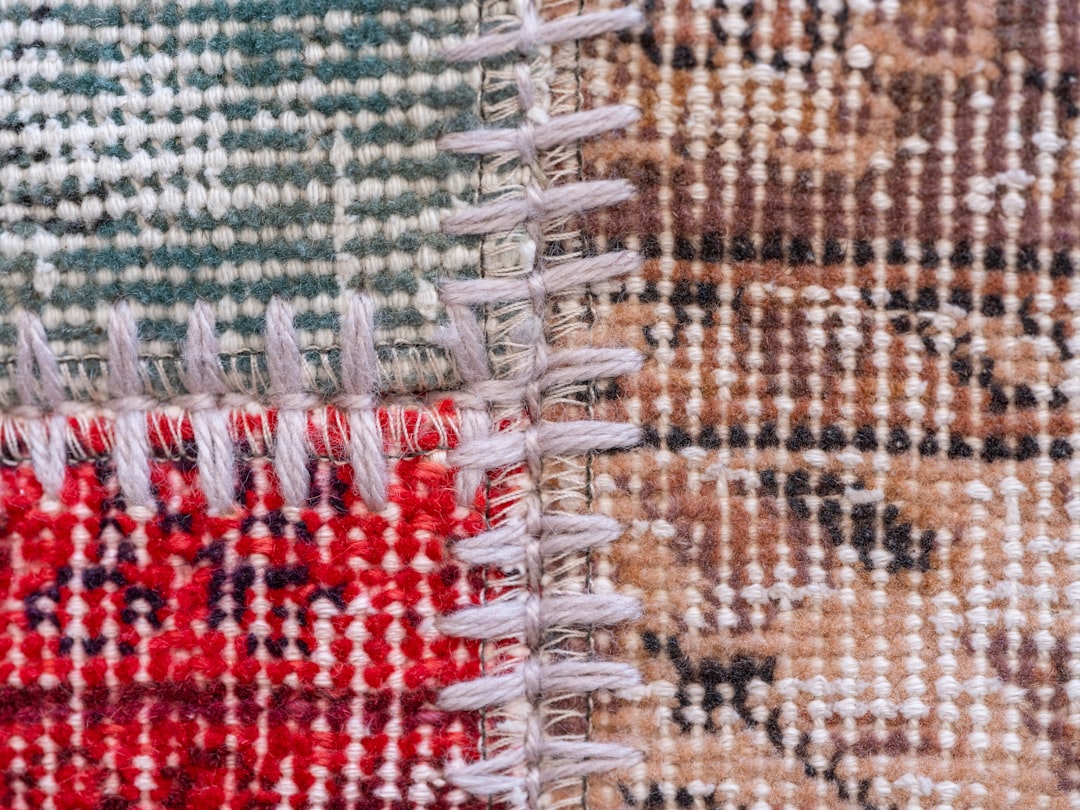
Rug fringe repair decisions cross my workbench several times a week, and the same question comes up almost every time: is this worth fixing, or has it gone too far to save? Deciding when to repair rug fringe versus when to replace it outright separates a $60 cleaning-and-resecuring job from a $400 full reweave, and the difference usually comes down to details homeowners never think to check before calling someone like me. This guide walks through the warning signs, the technical distinctions between repair and replacement, the materials and methods used in professional fringe work, and what years of handling wool, silk, and cotton-foundation rugs from Persian, Turkish, Moroccan, and Navajo traditions has taught me about catching problems early.
What Role Does Fringe Play in a Rug’s Structure?
Fringe on a genuine hand-knotted rug isn’t decorative trim stitched onto the edge afterward — it’s the exposed warp thread, the same foundation cording the entire piece is built on. That single fact explains why fringe condition often tells you more about a rug’s structural soundness than the pile ever will. Once fringe frays, thins, or pulls loose, the end knots holding the weave together can loosen, and the rows nearest the edge can start unraveling one after another.
Machine-made rugs work differently. Their fringe is almost always a cosmetic addition, sewn or glued onto a finished edge that already has its own overcast binding doing the structural work underneath. This distinction changes the urgency of any repair: a frayed cosmetic fringe on a power-loomed rug is a cosmetic annoyance, while frayed structural fringe on a hand-knotted Oriental or tribal rug is a foundation problem that can lead to genuine fiber loss if it sits unaddressed.
How Warp Threads Determine What You’re Actually Looking At
Warp yarns run the full length of a hand-knotted rug and are typically spun from cotton, wool, or occasionally silk depending on the weaving region. Persian and Turkish construction almost always uses cotton warp, prized for tensile strength and dimensional stability across sizes as large as 9×12 feet or bigger. Tribal and nomadic weaves — many Gabbeh rugs and most Navajo textiles among them — rely on wool warp instead, which behaves very differently under stress.
The fringe you see hanging past the last row of knots is simply the unwoven continuation of these same warp threads. Since fringe carries the same tension load as the interior warp, a break at the fringe line can travel inward if it’s ignored for months. I’ve opened up rugs where six inches of frayed fringe correlated with knots that had already loosened two to three rows deep into the pile — damage that would have cost a fraction as much to arrest if it had been caught during a routine Rug Cleaning visit instead of six or eight months later.
When Does Fringe Damage Call for Repair Rather Than Cleaning?
Repair becomes necessary once fringe shows fraying past the overcast line, visible thinning of individual warp cords, or separation from the rug body — at that point, cleaning alone cannot restore structural integrity no matter how gentle the wash. A rug with fringe that’s simply dirty, matted, or yellowed from years of padding contact usually only needs washing and combing, not reconstruction.
Telling the two situations apart before a professional inspection is the hard part. Discoloration and stiffness respond well to a proper wash cycle, particularly when yellowing stems from latex backing breakdown on older machine-made rugs or from prolonged sun exposure near a south-facing window. Physical breakage behaves differently — it does not improve with washing and tends to worsen with agitation, since loose cotton warp fibers snag further inside a wash drum or on cleaning brushes.
Warning Signs That Point Toward Repair Instead of Another Wash
A handful of visual cues separate ordinary wear from a structural problem that needs a technician’s attention rather than a cleaning cycle.
- Fringe strands broken unevenly, with some cords shorter than 1 inch while adjacent cords remain full length
- Bare weft threads or exposed selvage visible where fringe has pulled away entirely
- Rug corners curling or lifting because end binding has failed
- Pet chewing or vacuum-cleaner suction tearing fringe unevenly rather than the gradual wear pattern of normal foot traffic
- Fringe previously repaired with mismatched thread or glue that’s now peeling or discoloring
A rug showing two or more of these signs at once belongs with a specialist rather than through another wash cycle. A trained cleaning technician can flag these issues during intake, which is one reason routine cleaning appointments matter even for rugs that look structurally sound — fringe problems are frequently caught during the pre-wash inspection, before they’ve had a chance to spread into the pile.
What Repair Methods Do Professionals Use for Damaged Fringe?
Professional fringe work generally falls into three categories: reweaving new warp extensions into the existing foundation, overcasting and whipstitching the end to stabilize what remains, and full replacement using sewn-on substitute fringe. Which method applies depends on how much original warp survives and whether the rug is hand-knotted or machine-made.
Reweaving is the most labor-intensive option and the most historically accurate, typically reserved for antique and high-value pieces where authenticity affects appraised value. A technician ties new cotton or wool warp cords directly into the surviving foundation threads, matching the original ply count and twist direction, then reknots several rows by hand to blend the repair seamlessly into the existing pile pattern — a process that can take anywhere from a few hours to several days depending on rug width and knot density.
Comparing Repair Techniques by Cost, Durability, and Rug Type
Choosing between these methods comes down to the rug’s value, age, and how much of the original warp structure remains intact. The ranges below reflect typical figures I’ve seen across Persian, Turkish, and Oriental-style rugs measuring roughly 5×8 to 9×12 feet.
| Repair Method | Best For | Typical Cost Range | Durability | Turnaround Time |
|---|---|---|---|---|
| Warp reweaving / reknotting | Hand-knotted antiques, high-value pieces | $150–$500 per side | 10–20+ years | 1–3 weeks |
| Overcasting / whipstitch stabilization | Moderate fraying with intact foundation | $40–$120 per side | 5–10 years | 2–5 days |
| Sewn-on replacement fringe | Machine-made or decorative-fringe rugs | $60–$200 total | 3–7 years | 3–7 days |
| Fringe cleaning and combing only | Dirty but structurally sound fringe | Included in cleaning service | N/A | Same visit |
For rugs where the foundation has degraded past a single row of weft, some technicians recommend combining reweaving with edge binding to distribute stress more evenly across the end of the rug. Anyone weighing this decision on a valuable piece should think about a formal Rug Appraisal beforehand, since appraised value usually determines whether historically accurate reweaving is worth the investment compared to a simpler stabilization job.
When Does Replacement Make More Sense Than Repairing Fringe?
Replacement becomes the better financial and practical choice once more than 40–50% of the original fringe length is missing, or when the rug is a mid-range machine-made piece whose fringe was always a sewn-on cosmetic element rather than structural warp. In these cases, reweaving can cost more than the rug’s actual replacement value, while a sewn-on substitute fringe achieves nearly the same visual result for a fraction of the price.
Replacement also becomes the practical route when the original warp material is no longer identifiable — a common situation with rugs 60 to 80 years old, where dye lots and yarn-spinning techniques from the original weaving region have since changed. Rather than mismatching new cotton warp against aged, sun-faded original cordage, many restorers recommend a full new fringe sewn along a reinforced edge for visual consistency across the whole piece.
A Practical Checklist for Deciding Between Repair and Replacement
Running through a short mental checklist helps most owners reach a decision even before calling a specialist for an in-person look.
- Is the rug hand-knotted with structural warp fringe, or machine-made with cosmetic sewn-on fringe?
- What percentage of fringe length is missing or unraveling — under 20%, 20-50%, or more than 50%?
- Does the rug carry appraised or sentimental value that justifies historically accurate reweaving?
- Has the damage stayed contained to the fringe, or has it progressed into the pile itself?
- Is the rug still in active use in a high-traffic area, where fresh repairs would face renewed wear right away?
Rugs placed in entryways, hallways, or under dining tables tend to need this evaluation more often, simply because of foot traffic and chair-leg friction at the edges. Anyone furnishing a heavily used space should read through our guide on best rugs for high traffic areas before selecting a rug that needs to hold up structurally for years rather than months.
How Does Rug Construction Change the Fringe Repair Decision?
Fringe repair strategy shifts substantially depending on the rug’s construction and fiber content, since wool, cotton, and silk warp respond differently to tension, moisture, and abrasion. Wool fringe tends to felt and mat rather than fray into loose individual threads, while cotton fringe splits into thin, brittle strands that snap under light pressure once its surface finish wears away.
Silk-warp rugs, common in fine Qum, Tabriz, and Hereke weaves, present the most delicate repair scenario of all, since silk fibers lose tensile strength when exposed to direct sunlight or high-alkaline detergents. A technician working on silk fringe typically uses pH-neutral cleaning solutions between 6.5 and 7.5 and avoids mechanical brushing entirely, since even light abrasion can split the filament structure permanently.
How Fringe Behaves Differently Across Rug Categories
Flatweave rugs, including many Kilim pieces, often have fringe that is literally the extended warp with no pile to anchor it in place, making these especially prone to rapid unraveling once even a small section frees itself. Pile rugs, by comparison, have a denser knot structure holding the warp secure, which slows down — but never fully prevents — the same unraveling process over time.
- Persian and Turkish hand-knotted rugs: structural cotton or wool warp fringe; reweaving preferred for pieces valued over $1,000
- Kilim and other flatweaves: fringe is a direct warp extension with no pile backup, requiring prompt stabilization once fraying starts
- Navajo and Southwestern weaves: often finished without separate fringe at all, relying on selvage edges instead
- Moroccan and Gabbeh rugs: looser weave density means fringe damage can spread into the pile faster than on tightly knotted pieces
- Machine-made and power-loomed rugs: sewn-on cosmetic fringe, replaceable without any structural concern
Anyone shopping for a new rug with long-term durability in mind should factor fringe construction into the decision alongside pile height and knot density. Browsing categories like Kilim Rugs or Tribal Rugs on our site includes construction notes clarifying whether a given piece carries structural or purely cosmetic fringe before you commit to buying it.
My Experience with Rug Fringe Repair on the Workshop Floor
Working directly with clients bringing in damaged rugs over the years, I’ve noticed a consistent pattern: people wait an average of eight to twelve months after first noticing fringe fraying before scheduling a repair. By that point, roughly a third of the rugs I see have progressed from simple fringe wear into loosened end knots, turning what should have been a straightforward stabilization job into a partial reweave that costs three or four times as much.
One case that stands out involved a Heriz rug, roughly 9×12 feet, brought in with fringe that a previous owner had trimmed short in an attempt to “clean up” the frayed ends themselves. Trimming removed the exact length of excess cord that would have given us room to reweave new warp into the surviving foundation. We ended up replacing the fringe entirely along a newly reinforced edge, which preserved the rug’s usability but did affect its resale value compared to a historically accurate repair that kept the original cotton warp intact.
I’ve also handled several Moroccan Beni Ourain pieces where fringe damage was misdiagnosed by the owner as a simple cleaning issue. The wool fringe on these rugs mats heavily and can look dirty even when it’s actually just compressed from foot traffic — running these through a standard wash without checking for underlying thread breakage risks pulling already-weak fibers apart inside the wash drum. That’s part of why a hands-on inspection through proper Rug Repair & Restoration service comes before assuming a cleaning cycle alone will resolve visible fringe problems.
What Maintenance Habits Delay the Need for Fringe Repair?
Regular vacuuming with the beater bar disengaged, rotating rugs every 6 to 12 months to even out foot traffic, and using a properly sized rug pad all extend fringe life significantly, often by several years. Vacuum suction ranks among the most common causes of accelerated fringe damage, since standard upright vacuums can catch individual warp threads and pull with enough force to unravel several inches of fringe in a single pass.
Placement matters more than most owners expect, too. Fringe positioned directly under furniture legs, in doorway swing paths, or beneath cabinet doors that open and close daily takes repeated mechanical stress that gradually weakens the fiber even without any visible tearing at first.
Habits That Measurably Extend Fringe Lifespan
A handful of specific adjustments make a measurable difference over a two-to-three-year period of ownership.
- Vacuum fringe with a handheld attachment or brush setting rather than a rotating beater bar
- Keep rug edges at least 2-3 inches clear of furniture legs and door swing paths where possible
- Comb fringe gently with a wide-tooth comb after cleaning to prevent renewed matting
- Use a non-slip rug pad rated for the rug’s weight to reduce edge curling and shifting
- Schedule professional cleaning every 12-18 months so fringe issues get caught while still minor
Storage conditions matter as well, particularly for rugs taken up seasonally or stored between uses. Rolling rather than folding protects both the pile and the fringe from crease-related stress, and pairing that habit with proper humidity control prevents the brittleness that eventually leads to snapping. Rugs destined for entryways or dining areas benefit from being paired with the right pad from the start — our notes on choosing the right rug size and material for a dining space cover placement decisions that reduce edge stress before fringe damage even begins.
FAQ
How much does it typically cost to fix frayed fringe?
Costs generally range from $40 to $120 per side for overcasting and stabilization on moderately frayed fringe, up to $150-$500 per side for full warp reweaving on antique or high-value hand-knotted rugs. Sewn-on replacement fringe for machine-made rugs usually falls between $60 and $200 for the entire rug, depending on size and fringe style.
Can fraying fringe be fixed at home without a specialist?
Minor tasks like combing out matting or trimming a few stray threads can be handled safely at home, but reweaving warp cords or reattaching structural fringe requires matching the original yarn ply, twist, and tension — something difficult to achieve without professional tools and years of hands-on practice. A DIY attempt on structural fringe often introduces uneven tension that leads to further unraveling within a few months.
How long does a professional fringe job usually take?
Simple overcasting or whipstitch stabilization typically takes 2-5 days, while full warp reweaving on an antique rug can run 1-3 weeks depending on the extent of the damage and the intricacy of the original knot pattern. Sewn-on fringe replacement generally falls in the middle, around 3-7 days for most standard-sized rugs.
Does fringe condition affect a rug’s resale or appraised value?
Yes — on hand-knotted rugs, structurally accurate repair using matching materials preserves more value than replacement fringe sewn onto a new edge, since appraisers look closely at original construction integrity. Machine-made rugs are less affected by this distinction, since their fringe was cosmetic from the start and swapping it out doesn’t change the rug’s underlying construction value.
Does fraying always signal a deeper structural problem?
Not necessarily — surface fraying limited to the outermost inch or two of fringe, with no thinning near the rug body, is often ordinary wear that responds well to trimming and light stabilization. Fraying that extends toward the pile edge or coincides with loosening knots signals a deeper structural issue that needs professional attention before it spreads further into the weave.
