


How to Clean Dog Pee from a Rug and Remove the Smell for Good
October 25, 2026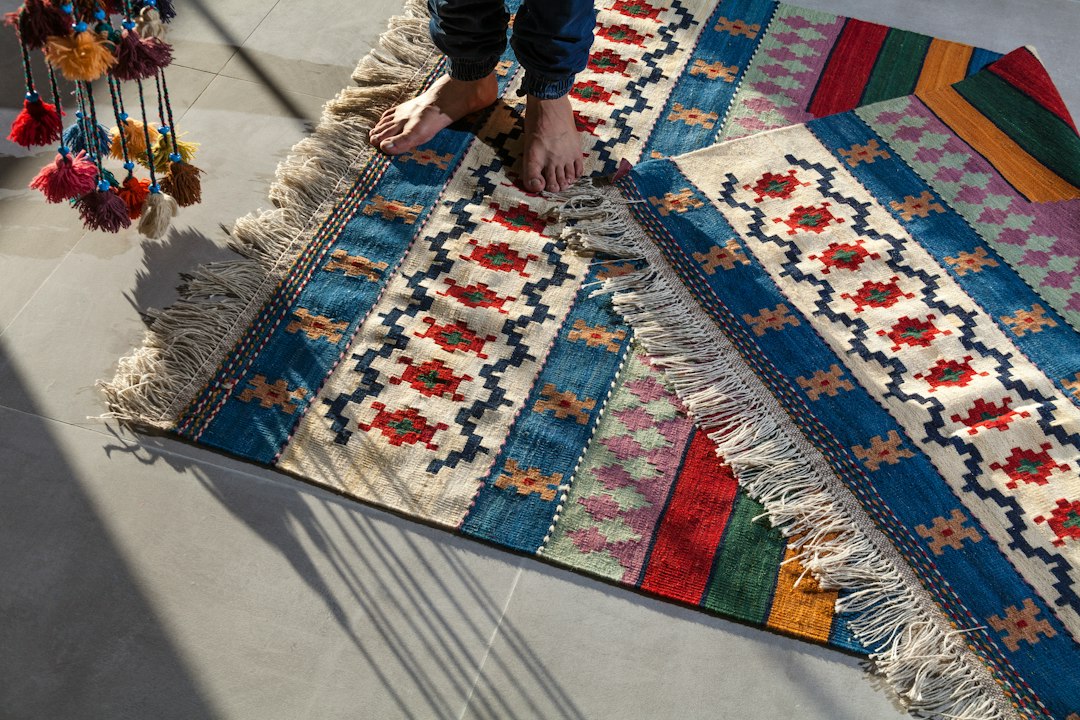
After two decades spent elbow-deep in wool pile and synthetic fibers alike, I get asked almost weekly whether a machine washable throw rug can really hold up to a washing machine cycle without falling apart. The short answer is yes, provided the construction and fiber content are right for it, but there’s a lot of nuance buried in that answer. This article walks through how these rugs are built, which fibers actually survive repeated laundering, where they perform best in a home, and what separates a rug that lasts three years from one that disintegrates after six washes. I’ll also share some field observations from inspecting hundreds of these rugs that came through our shop for repair or replacement advice. Learn more about Rug Cleaning.
What Makes a Throw Rug Machine Washable?
A rug earns the “machine washable” label when its fiber, backing, and dye system can withstand agitation, water saturation, and spin-drying without shedding excessively, losing shape, or bleeding color. This typically means a low-pile construction, usually under 0.5 inches, made from synthetic yarns like polyester, nylon, or polypropylene, sometimes blended with cotton for the base weave. The backing is either a thin latex-free scrim or a flat-woven cotton mesh rather than the rubber or jute backing found on traditional area rugs, since rubber backing cracks and peels apart in a washing machine drum.
Manufacturers that design for laundering also account for shrinkage tolerance, generally keeping it under 3 to 5 percent after the first wash cycle, and they pre-shrink the yarn during production. Rugs that skip this step often come out of the dryer noticeably smaller or warped at the corners. If you’ve ever wondered why some printed rugs fade after a few washes while others hold their pattern for years, the answer usually comes down to whether the design was dye-sublimated into the fiber or simply surface-printed with a topical ink.
How Is a Washable Rug Different from a Standard Area Rug?
Standard area rugs, particularly hand-knotted wool or silk pieces, are built for durability and longevity under foot traffic, not for submersion in water or mechanical agitation. Their foundation often includes cotton warp and weft threads hand-tied with thousands of knots per square inch, a structure that can distort or felt when exposed to a washing machine’s spin cycle. A machine washable floor rug, by contrast, sacrifices some of that density and hand-craftsmanship for practical convenience, using tufted or woven synthetic construction specifically engineered to survive home laundering.
This doesn’t mean washable rugs are inferior for every application. For entryways, kids’ rooms, and pet areas where spills and dirt are a daily reality, the convenience outweighs the trade-off in craftsmanship. If you already own a hand-knotted or wool piece and you’re trying to figure out the safest way to refresh it without a washing machine, our guide on how to wash area rug surfaces covers the gentler hand-cleaning methods that protect natural fibers.
Which Fibers and Constructions Hold Up Best to Repeated Washing?
Polyester and nylon blends consistently outperform cotton-only or wool-blend washable rugs because synthetic fibers resist water absorption, dry faster, and don’t felt or mat under agitation. A rug made from 100% polyester chenille yarn, for instance, can typically survive 50 to 100 wash cycles before noticeable pile thinning, whereas a cotton rag rug may start fraying at the edges after 20 to 30 washes unless the edges are serged with a reinforced stitch.
Construction method matters just as much as fiber choice. Flatweave and low-loop pile rugs wash and dry more evenly than high-pile shag styles, which tend to trap moisture deep in the base and can develop a musty smell if not fully air-dried within 24 to 48 hours. I’ve inspected plenty of shag-style washable rugs that customers assumed were ruined, when the real issue was incomplete drying rather than fiber failure.
What Should You Check on the Label Before Buying?
The care label will tell you the maximum water temperature, whether tumble drying is safe, and whether the rug needs to be washed inside a mesh laundry bag to protect the backing from friction against the drum. A rug rated for cold water only (around 86°F/30°C) and air-dry will generally last longer than one rated for hot water, since heat accelerates synthetic fiber breakdown and can set in shrinkage.
- Fiber content listed as 100% polyester, nylon, or a poly-cotton blend under 20% cotton
- A stated maximum wash temperature, usually cold (86°F) or warm (104°F), never hot
- Instructions for tumble drying on low heat or no-heat air fluff only
- A backing description confirming latex-free or rubber-free construction
- A weight specification, often between 16 and 28 oz per square yard for low-pile washable styles
Where Do Machine Washable Rugs Work Best in a Home?
These rugs perform best in rooms with heavy moisture exposure or frequent spills, which is exactly why machine washable bathroom rugs and kitchen runners have become so common over the past several years. A bath mat sitting next to a tub or shower gets saturated almost daily, and a rug that can go straight into a laundry cycle on a weekly basis eliminates the mildew risk that comes with air-drying alone.
Hallways and entryways are another strong match, particularly for a machine washable runner rug placed where shoes track in salt, mud, or pet hair. Because runners are long and narrow, typically 2 by 6 feet up to 2.5 by 10 feet, they fit inside a standard residential washing machine drum more easily than a large 8-by-10 area rug, which often needs a commercial-sized machine or professional cleaning instead.
Are Machine Washable Christmas Rugs Worth Buying Seasonally?
Seasonal designs, including machine washable christmas rugs with holiday motifs, are worth the investment if you rotate decor annually and want something that can be laundered before storage rather than packed away dusty. Washing a seasonal rug fully clean and completely dry before folding it into a bin prevents mildew and insect attraction during the off-season months.
Before storing any rug, seasonal or otherwise, for extended periods, it helps to understand proper storage conditions and moth prevention, since even synthetic fibers can host pests if food residue or organic debris is left behind. Our breakdown of Rug Storage practices applies to washable seasonal pieces just as much as it does to wool heirlooms, and if moths are a concern in a mixed-fiber household, it’s worth reviewing Rug Moth Protection options as well.
How Do You Properly Wash and Maintain a Throw Rug at Home?
The safest approach is cold water on a gentle or delicate cycle, mild detergent without bleach or fabric softener, and air-drying flat or on a drying rack rather than high-heat tumble drying. Fabric softener leaves a residue that can make synthetic fibers feel stiff over time and reduces the rug’s ability to absorb moisture effectively, which defeats the purpose on a bath mat.
Vacuuming or shaking out loose debris before washing extends the life of both the rug and your machine, since trapped grit acts like sandpaper against fibers during agitation. For rugs larger than a standard bath mat, placing them inside a mesh garment bag reduces stress on the backing seams and keeps corners from stretching out of shape in the drum.
What Mistakes Shorten the Life of a Washable Rug Fastest?
The most common mistake is overloading the washing machine, which prevents even water saturation and rinsing, leaving behind detergent residue that attracts dirt faster after the next use. A close second is high-heat drying, which can shrink synthetic backing at a different rate than the pile yarn, causing the rug to cup, curl, or pucker at the edges permanently.
- Washing on a hot or sanitize cycle instead of cold or warm
- Using chlorine bleach on printed or dyed designs, which causes irreversible fading
- Tumble drying on high heat rather than low heat or air-dry settings
- Skipping pre-vacuuming, allowing grit to abrade fibers during the wash
- Folding and storing a rug while still slightly damp, inviting mildew growth
If a rug does develop stubborn stains, pet odor, or a flattened pile despite careful laundering, it’s worth comparing results against professional options. Reviewing how to clean area rug surfaces fiber by fiber can clarify when a DIY wash is sufficient versus when a deeper treatment is warranted.
How Does a Washable Throw Rug Compare to Traditional Rug Types?
A washable throw rug trades hand-knotted density and natural fiber richness for low-maintenance convenience, which makes it a practical choice for high-traffic or moisture-prone rooms but not necessarily the right choice for a formal living room or dining space where a wool or silk piece carries more visual weight and longevity measured in decades rather than years.
Natural fiber rugs, including wool Persian and hand-knotted pieces, generally last 20 to 50 years with proper care and professional cleaning every 12 to 18 months, while a washable synthetic rug in a heavy-use zone typically needs replacement within 3 to 5 years. That shorter lifespan isn’t a flaw so much as a design trade-off suited to different rooms and budgets.
Which Rug Styles Translate Well into Washable Versions?
Many bestselling washable designs mimic the look of Moroccan, kilim, or tribal patterns using printed or jacquard-woven synthetic yarns, giving homeowners a decorative option that echoes the aesthetic of pieces found in our Moroccan Rugs collection without the hand-knotting investment. Others borrow geometric motifs reminiscent of flat-woven styles similar to those in our Kilim Rugs line, scaled down into runner or bath mat sizes.
| Feature | Machine Washable Throw Rug | Hand-Knotted Wool Rug |
|---|---|---|
| Typical fiber | Polyester, nylon, poly-cotton blend | Wool, sometimes silk highlights |
| Average lifespan | 3-5 years in high-traffic use | 20-50 years with proper care |
| Cleaning method | Home washing machine, cold/gentle cycle | Professional hand-washing recommended |
| Pile height | Under 0.5 inches | 0.25 to 1 inch depending on knot count |
| Price range | $25-$150 for runner and accent sizes | $400-$5,000+ depending on origin and size |
| Best placement | Bathroom, kitchen, entryway, kids’ rooms | Living room, dining room, formal spaces |
My Experience with Machine Washable Throw Rugs
Over the years I’ve had customers bring in washable rugs assuming a professional cleaner could salvage what was really just fiber fatigue from repeated hot-water washing. One memorable case involved a bath mat set washed weekly for almost two years on a hot sanitize cycle; the backing had delaminated from the pile entirely, something no amount of professional treatment could reverse because the adhesive bond itself had broken down.
What I’ve learned from inspecting dozens of these rugs side by side is that the drying step matters nearly as much as the wash cycle. Rugs air-dried flat on a rack consistently kept their shape better than ones tossed into a dryer, even on low heat, because repeated tumbling stresses the seam where pile meets backing. I now tell clients to treat the dryer as optional and the flat-dry method as the default, especially for anything thicker than a quarter inch of pile.
I’ve also noticed that color retention varies wildly between dye-sublimated prints and surface-printed designs, even when two rugs look identical on a showroom floor. A quick test I use is rubbing a damp white cloth firmly across the pile; if any color transfers, that rug will likely fade or bleed within the first five to ten washes, regardless of what the label promises.
FAQ
Can a machine washable throw rug go in the dryer?
Many can, but low heat or air-fluff settings are strongly preferred over high heat, since excessive heat shrinks backing material faster than pile yarn and causes curling or puckering at the edges. Always check the care label for a specific maximum drying temperature before running a full cycle.
How often should a machine washable bathroom rug be washed?
Weekly washing is typical for bath mats given daily moisture exposure, while entryway or living space rugs can usually go 2 to 4 weeks between washes depending on foot traffic and household pets. Washing more frequently than needed on hot cycles will shorten the rug’s usable life unnecessarily.
Will a machine washable runner rug shrink after washing?
A well-made runner should shrink no more than 3 to 5 percent if washed in cold water and air-dried, since reputable manufacturers pre-shrink the yarn during production. Hot water and high-heat drying are the two factors most likely to cause noticeable size reduction beyond that range.
Are machine washable floor rugs safe for homes with allergies?
Yes, and in many cases they’re preferable, since regular washing removes dust mites, pet dander, and pollen far more thoroughly than vacuuming alone can achieve on a natural fiber pile. Low-pile synthetic construction also traps less allergen buildup compared to thick wool or shag styles between cleanings.
What’s the difference between a washable rug and a regular area rug for everyday care?
A washable rug is designed from the ground up for home laundering, while a standard area rug, especially wool or silk, typically requires professional cleaning to avoid felting, dye bleeding, or backing damage. Anyone comparing the two before a purchase should review our guide on what to know before buying washable rugs, which covers fiber and construction differences in more depth.
Sources
Federal Trade Commission – Care Labeling Rule
