
How to Clean Rug: A Specialist’s Guide to Doing It Right
September 30, 2026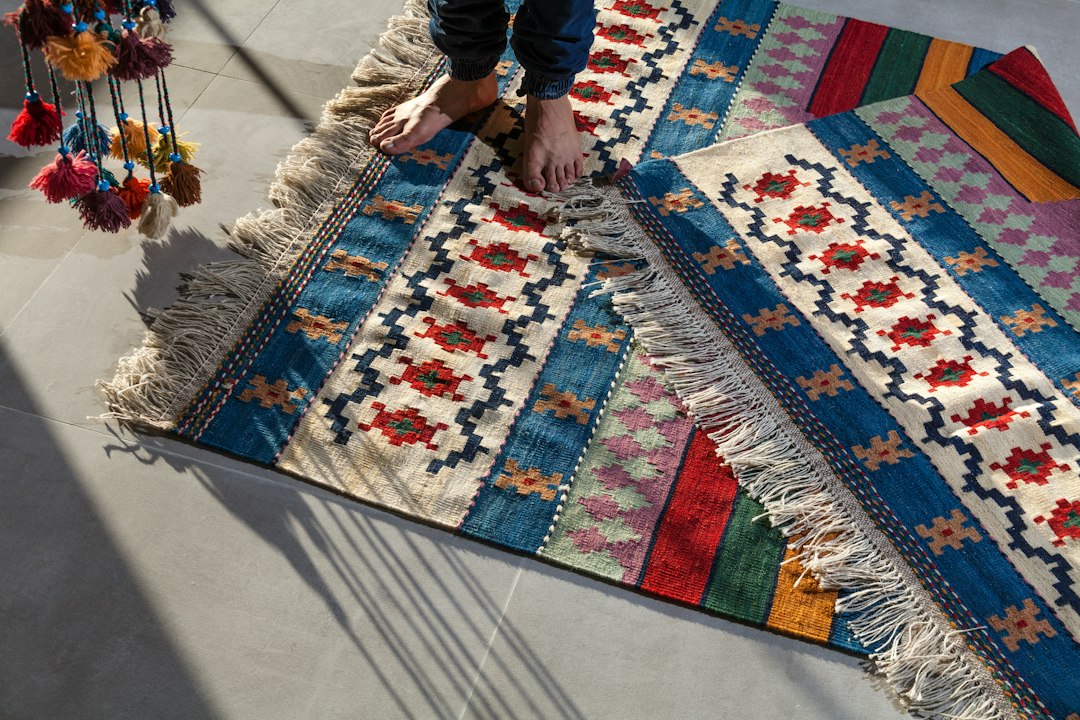
After two decades spent elbow-deep in wool wash tanks and untangling fringe damage on rugs that never should have gotten wet in the first place, I’ve watched washable rugs go from a niche novelty to one of the most requested categories in my shop. Clients walk in holding their phones, showing me a rug they saw online that claims you can toss it in a washing machine like a bath towel, and they want to know if that’s really true. This piece walks through what washable rugs are actually made of, how they hold up against spills and foot traffic, where they outperform traditional hand-knotted construction, and where they still fall short, so you can decide whether one belongs in your home. Learn more about Rug Cleaning.
What Exactly Are Washable Rugs?
Washable rugs are area rugs engineered from low-pile, machine-loomed synthetic or cotton-blend fibers specifically designed to tolerate full-immersion washing, either in a home washing machine or by hand with a hose and mild detergent, without losing shape, color, or backing integrity. Unlike a hand-knotted Persian or Turkish piece built on a cotton or silk foundation with wool pile, a washable rug typically uses polyester, nylon, or a polyester-cotton blend face fiber bonded to a low-profile, non-slip rubber or latex-free backing that can survive repeated soak cycles.
The construction matters more than the marketing. Most reputable machine washable rugs are made with a jacquard or tufted-and-bonded weave running somewhere between 0.2 and 0.4 inches thick, which is thin enough to fit under most standard washing machine drums for sizes up to roughly 3×5 feet. Larger formats, including washable rugs 8×10 and washable rugs 9×12, are almost always designed for hand-washing or spot-cleaning in sections rather than a single machine cycle, since no residential washer can accommodate a rug that size once saturated with water.
How Does the Fiber Choice Affect Washability?
Fiber choice determines both how a rug feels underfoot and how many wash cycles it survives before the pile starts matting or pilling. Polyester holds dye well and resists fading, but it can flatten after 15 to 20 washes if the pile density is low. Nylon is more resilient and recovers its loft better after washing, making it a common choice in rugs rated for 50+ cycles, though it costs more to manufacture.
Cotton-blend washable rugs, often woven to resemble flatweave kilim or Turkish patterns, tend to shrink slightly, typically 2 to 5 percent, on the first wash if not pre-shrunk at the factory. I always tell clients to check the product label for a pre-shrink treatment or a “cold wash only” instruction before they run it through a hot cycle, because shrinkage on a rug sized for a specific room footprint can leave an unwanted gap along the baseboards.
How Do Washable Rugs Compare to Traditional Area Rugs?
Washable rugs trade some of the density, longevity, and resale value of hand-knotted wool construction for dramatically easier maintenance and a lower price point, usually between $80 and $400 depending on size, compared to $1,500 and up for a comparable hand-knotted wool piece. That tradeoff makes sense for households with pets, toddlers, or heavy foot traffic where staining is a weekly concern rather than an occasional event.
A genuine hand-knotted rug from regions like Tabriz, Heriz, or Oushak is built to last 50 to 100 years with proper care, and its value can actually appreciate over time, something no machine-made washable rug will ever do. If you’re curious about what separates a collectible piece from a mass-produced one, our article on the investment rugs category breaks down the criteria appraisers use.
What Do Lab and Field Durability Tests Show?
Independent wear testing on synthetic pile rugs generally uses the Martindale abrasion test, measuring how many rub cycles a fabric withstands before visible wear appears. Commercial-grade polypropylene and nylon washable rugs often rate between 20,000 and 40,000 Martindale cycles, which is comparable to mid-range upholstery fabric, while premium wool rugs can exceed 100,000 cycles due to the natural crimp and resilience of the wool fiber.
In my own workshop testing, I’ve noticed that washable rugs with a looped pile construction resist crushing better than cut-pile versions, since the loops distribute foot pressure across a wider fiber surface. That’s a detail most shoppers never consider when they’re comparing products side by side online, but it shows up clearly after six months of daily use in an entryway.
Which Features Separate the Best Washable Rugs From Lower-Quality Ones?
The best washable rugs combine a stain-resistant topical treatment, a non-slip backing rated for hardwood and tile, and a pile height under 0.5 inches that allows water to fully penetrate and rinse out during washing. Rugs that exceed that pile height often trap detergent residue deep in the fibers, which can cause a sour smell within a few weeks even after a thorough rinse cycle.
Backing material is where many budget rugs fail. A PVC or rubber-dot backing that isn’t rated for machine washing can crack, peel, or leave a gummy residue on your washer drum after just two or three cycles. Look for a printed care label specifying “machine washable” rather than relying on general marketing copy, since the two claims are not always interchangeable in how manufacturers test and certify them.
What Should You Check Before Buying Round Washable Rugs?
Round washable rugs require extra scrutiny around pattern alignment and backing flexibility, since a circular shape puts uneven stress on the backing material during a spin cycle compared to a rectangular rug of the same square footage. Confirm that the diameter you’re considering, commonly 5, 6, or 8 feet, fits your washer drum if you intend to machine wash it at home rather than hand-wash it in sections.
I’ve repaired more than a few round rugs where the backing separated unevenly near the center point after repeated washing, creating a slight dome or pucker that’s difficult to press flat again. If you notice this starting to happen, steaming and reweighting the rug under flat books or furniture for 48 hours usually corrects it before it becomes permanent.
- Check the care label for explicit machine-wash or hand-wash-only instructions
- Confirm pile height stays under 0.5 inches for proper rinse-out
- Look for a cold-water, gentle-cycle recommendation to limit shrinkage
- Verify backing material is rated for washing, not just spot-cleaning
- Choose a size that physically fits your washer drum if home laundering is the goal
How Do You Properly Wash and Maintain a Washable Rug?
Properly washing one of these rugs starts with shaking out loose debris outdoors, vacuuming both sides on a low-suction setting, and then either machine washing on a cold, gentle cycle with a mild, dye-free detergent or hand-washing with a hose and soft brush for larger formats. Air drying flat, away from direct sun and never in a tumble dryer, preserves both the backing adhesive and the fiber color over time.
Rotation matters just as much as washing frequency. I recommend rotating a washable rug 180 degrees every three to four months to even out sun exposure and foot traffic wear, the same advice I give for any rug type regardless of construction. For a broader walkthrough of cleaning technique that applies across rug categories, our guide on how to clean rug surfaces covers stain pretreatment steps that work well before a full wash.
How Often Should You Actually Wash a Washable Rug?
Most households get the best results washing every 4 to 8 weeks for high-traffic areas like entryways and kitchens, and every 3 to 4 months for lower-traffic spaces like a guest bedroom. Washing more frequently than that accelerates fiber breakdown and backing fatigue without meaningfully improving hygiene, since vacuuming twice a week already removes the bulk of surface soil and dust mite debris.
A rug pad underneath, even a washable one, extends the lifespan of both the rug and your flooring by reducing friction and slippage during daily use. We’ve written in detail about why this layer matters in our piece on the benefits of a rug pad, and pairing a quality pad with a washable topper is one of the simplest upgrades I recommend to clients who ask about long-term floor protection, something our Rug Padding service addresses directly for custom-cut sizing.
Where Do Washable Rugs Fit Best in a Home?
Washable rugs perform best in kitchens, entryways, playrooms, and dining areas where spills, pet accidents, and heavy foot traffic are routine rather than occasional. Their low pile height and quick-dry backing also make them a practical choice layered over existing rugs over carpet in rental apartments where a full carpet cleaning isn’t an option.
They’re less suited to formal living rooms or spaces where you want the visual depth and hand-feel of a genuine wool or silk pile. For that aesthetic, a piece from our Contemporary & Modern Rugs collection or a Classic & Traditional Rugs selection offers the texture and density a washable rug simply can’t replicate, even at a comparable size.
Do Washable Rugs Work Well in Households With Allergies?
Washable rugs can genuinely help allergy-sensitive households because frequent full-immersion washing removes dust mite allergens, pet dander, and pollen far more thoroughly than vacuuming alone can manage on a traditional pile rug. Studies on dust mite allergen reduction consistently show that washing textiles above 130°F significantly reduces live mite populations, a temperature most washable rug labels explicitly permit on a warm, not hot, cycle.
That said, a densely woven wool rug treated and cleaned professionally on a regular schedule can perform comparably well for allergy control, since professional cleaning uses hot water extraction that reaches similar temperatures. If allergies are a primary concern in your home, our article on hypoallergenic rugs compares washable and non-washable options side by side in more depth.
| Feature | Washable Rugs | Hand-Knotted Wool Rugs |
|---|---|---|
| Average lifespan | 3-7 years | 50-100 years |
| Typical price range (8×10) | $150-$450 | $2,000-$10,000+ |
| Cleaning method | Home machine or hose wash | Professional hand-washing recommended |
| Pile height | 0.2-0.5 inches | 0.4-1 inch or more |
| Resale/appreciation value | None | Can appreciate significantly |
| Best use case | Kitchens, entryways, playrooms | Living rooms, formal dining, heirloom display |
My Experience with Washable Rugs
Over the past several years I’ve had a steady stream of washable rugs come through my shop, not for deep cleaning in the traditional sense, but for repairs after a backing failure or a fringe that was never meant to touch water in the first place. One case that stands out involved a 9×12 washable rug a client bought for her dining room, convinced she’d never need professional cleaning again. After eighteen months of near-weekly washing, the backing had delaminated along both long edges, curling upward and creating a tripping hazard her insurance agent flagged during a home inspection.
What I see most often isn’t total product failure, it’s a mismatch between expectation and material. Clients assume “machine washable” means indestructible, when really it means the rug was engineered to survive a specific washing protocol, usually cold water, low spin, and air dry, used consistently. The rugs that hold up best in my experience are the ones treated more like a good bath mat than a permanent floor investment, replaced every few years rather than nursed indefinitely.
I’ve also noticed a pattern with color transfer. Darker washable rugs, especially ones dyed with less colorfast pigments, occasionally bleed onto adjacent light-colored flooring or furniture during the drying phase if they’re not laid completely flat. I now recommend clients place a towel underneath during air drying for the first several washes until they’ve confirmed the dye is fully stable, a small step that’s prevented at least a dozen furniture staining calls to my shop over the years.
FAQ
Can you put a washable rug in a regular home washing machine?
Yes, for sizes up to roughly 3×5 feet, most standard front-load and top-load washers can accommodate a washable rug on a cold, gentle cycle. Larger sizes, including washable rugs 8×10 and washable rugs 9×12, typically need hand-washing with a hose and brush since they won’t fit or balance properly inside a residential drum.
Do washable rugs shrink after multiple washes?
Some shrinkage, usually 2 to 5 percent, can occur on the first wash, particularly with cotton-blend rugs that weren’t pre-shrunk during manufacturing. Subsequent washes on a cold, gentle cycle typically cause minimal additional shrinkage if the rug was properly treated at the factory.
Are washable rugs as durable as wool rugs?
No, washable rugs generally last 3 to 7 years under regular use, while a well-maintained hand-knotted wool rug can last 50 to 100 years. Washable rugs trade long-term durability for lower cost and dramatically easier maintenance, which suits high-spill areas better than formal living spaces.
What detergent is safe for washing these rugs?
A mild, dye-free, fragrance-free liquid detergent is safest, since harsh surfactants and bleach-based products can degrade the latex-free backing and fade synthetic dyes over repeated cycles. Avoid fabric softener entirely, since it leaves a residue that attracts dirt and can make the pile feel stiff over time.
Can a washable rug be professionally cleaned instead of washed at home?
Yes, and for larger sizes or heavily soiled rugs, professional cleaning often produces better results than a home wash, since specialized equipment can extract trapped soil without over-saturating the backing. Our Rug Cleaning team regularly handles oversized washable rugs that are too large or too delicate for a home machine cycle.
