



What Color Rug Goes With Yellow Walls? A Rug Specialist’s Pairing Guide
November 12, 2026
What Color Rug Goes With Beige Furniture? A Rug Specialist’s Pairing Guide
November 14, 2026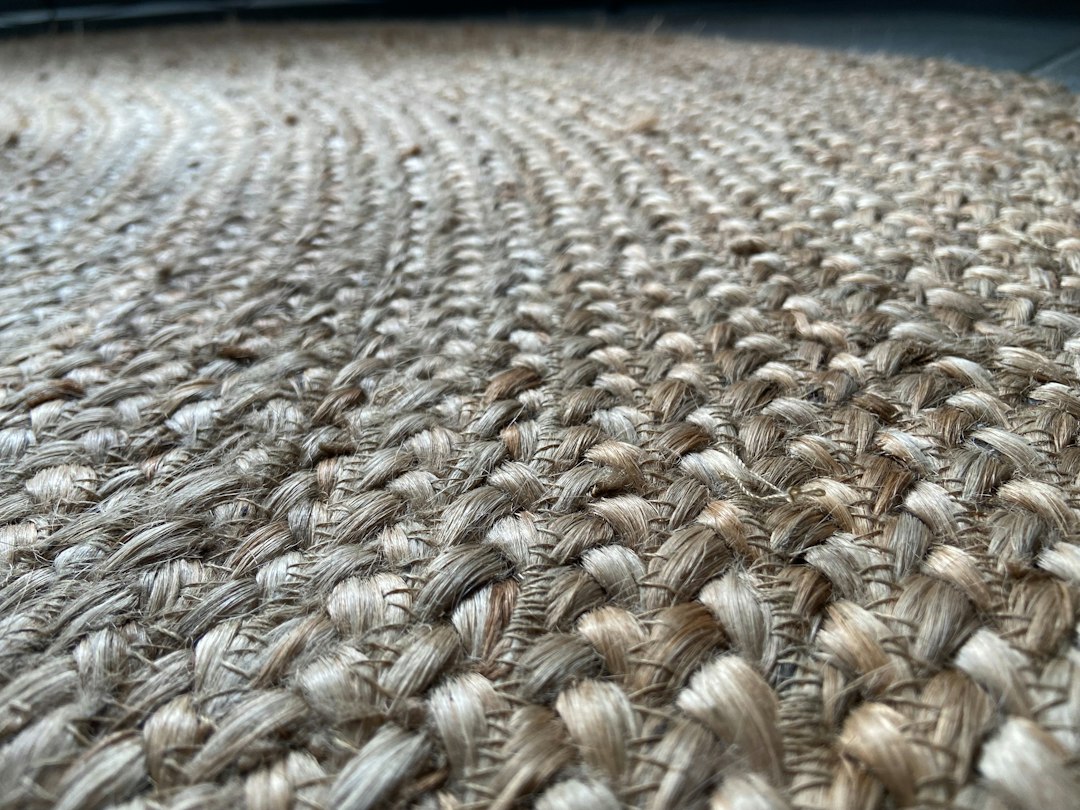
A sisal vs seagrass rug comparison looks simple on a showroom floor, because both weaves read as neutral, textured, and plant-based. After twenty-plus years of washing these rugs, re-binding their edges, and explaining water rings to homeowners, I know the two fibers behave nothing alike at home. Sisal stains but survives traffic. Seagrass sheds spills but cracks in dry air. The guide below covers how each fiber is grown and woven, how it wears, which room suits which weave, how to clean it safely, and what I have learned repairing both in a dry mountain climate. Match the fiber to your floor, your humidity, and your tolerance for upkeep. Learn more about Rug Cleaning.
Key takeaways
- Sisal is the more durable fiber, lasting roughly twice as long as seagrass, though it also costs about twice as much.
- Seagrass resists stains because its waxy cuticle makes spills bead for several minutes, giving you time to blot them.
- Sisal absorbs liquid and water-spots easily, but it accepts dye, so it comes in colors like charcoal, navy, and brick red.
- Seagrass cannot be dyed, stays in natural tones, and cracks in dry air below 30 percent humidity.
- Choose your fiber by matching it to your floor, your home’s humidity, and how much upkeep you will tolerate.
Jute, the third plant fiber on most showroom racks, is softer and weaker than either one, so it belongs in bedrooms and falls outside this comparison.
What Is the Real Difference in a Sisal vs Seagrass Rug?
Sisal is a stiff, absorbent leaf fiber from the Agave sisalana plant, while seagrass is a smooth, waxy stem fiber from sedge grown in flooded coastal paddies. Absorbent leaf versus water-repellent stem drives nearly every other difference. Sisal takes dye, stains readily, lasts longer, and feels coarse. Seagrass refuses dye, sheds light spills, wears out sooner, and feels slicker underfoot.
Shoppers lump the two together because both usually ship with a latex backing and a cotton or linen binding tape. A loupe tells a different story. Sisal strands look dense and chalky, with cellulose running lengthwise. Seagrass strands look hollow and segmented beneath a glossy cuticle. That structural gap explains why sisal drinks liquid and seagrass lets it bead.
- Sisal source: Agave sisalana leaf
- Seagrass source: Cyperus sedge stem
- Sisal surface: dull, chalky, absorbent
- Seagrass surface: glossy, waxy, water-repellent
How Is a Sisal Rug Made From Agave Leaves?
Every sisal rug starts as sword-shaped agave leaves, each 3 to 6 feet (0.9 to 1.8 m) long. Workers cut the leaves by hand and crush them between rollers in a process called decortication. The rollers strip away the green pulp. Mills then wash, sun-dry, brush, and spin the fiber into yarn before weaving it on wide looms. Brazil, Tanzania, Kenya, Madagascar, and China supply most of the world’s sisal.
Each leaf yields only about 4 percent of its weight as usable fiber. The strands run roughly 3 to 5 feet (1 to 1.5 m), so spinners can twist a continuous, uniform yarn. Laboratory tests put sisal’s tensile strength in the hundreds of megapascals, which explains its use in marine rope and baler twine. Mills weave the yarn into bouclé, herringbone, panama basketweave, and tigereye. Porous fiber accepts dye evenly, so buyers find charcoal, navy, and brick red beside the natural oatmeal tone.
Why Do Seagrass Rugs Shed Water and Resist Stains?
Seagrass rugs shed water because each stalk carries a natural waxy cuticle that survives drying and weaving intact. The coating keeps the plant from waterlogging in brackish paddies. A spilled glass of water beads on the surface for several minutes. That window gives you time to blot before liquid reaches the backing.
The plant is a sedge, chiefly Cyperus malaccensis, not true marine seagrass. Farmers flood paddies with seawater in Guangdong and Fujian provinces in China and in Vietnam’s Mekong Delta. Stalks reach 3 to 5 feet (0.9 to 1.5 m). Crews harvest them twice a year, dry them for two to three days, and twist them into a two-ply cord for basketweave or herringbone. The same cuticle that repels spills also repels dye. Every seagrass weave keeps its own color: greenish khaki when new, shifting to wheat over 6 to 12 months of indoor light.
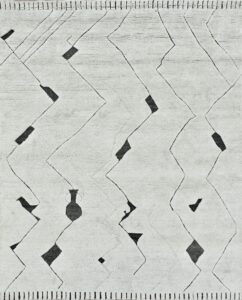
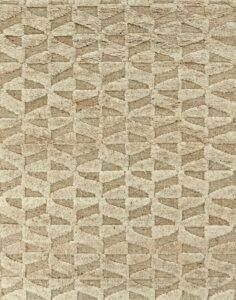
Matching rugs
These textured, easygoing rugs suit the lived-in, low-maintenance style the article describes for real homes with real traffic.
What Are the Pros and Cons of Seagrass vs Sisal Rugs?
Sisal wins on durability, dye options, and pattern definition, but loses on absorbency, cost, and comfort underfoot. Seagrass wins on stain resistance, price, and a smoother hand, but loses on lifespan, color control, and tolerance for dry air. Neither fiber is universally better. The honest pros and cons depend on which failure mode you would rather live with.
My workshop tally follows a steady pattern. Sisal arrives with water rings, wine tide-marks, and pet stains that wicked deep into the fiber. Seagrass arrives with cracked corners, shedding edges, and backing that separated from the weave. The table in the next section condenses those observations into specifications you can compare before buying.
How Does a Sisal Rug Compare With a Seagrass Rug in Specs?
Sisal lasts roughly twice as long as seagrass, accepts dye, and costs about twice as much, while seagrass resists spills but cracks in air below 30 percent humidity. The table lists the full comparison. Figures are workshop estimates and retail ranges, not laboratory standards.
| Feature | Sisal | Seagrass |
|---|---|---|
| Source plant | Agave sisalana leaf fiber | Cyperus sedge stem, grown in seawater paddies |
| Main growing regions | Brazil, Tanzania, Kenya, Madagascar | Guangdong and Fujian (China), Mekong Delta (Vietnam) |
| Fiber behavior with water | Hydrophilic; absorbs and water-spots | Hydrophobic cuticle; beads for several minutes |
| Accepts dye | Yes, full color range | No, natural color only |
| Color over time | Bleaches 1 to 2 shades lighter in direct sun | Shifts from green-khaki to wheat in 6 to 12 months |
| Texture underfoot | Coarse, dry, scratchy on bare skin | Smooth, cool, slightly glossy |
| Typical thickness | 1/4 to 3/8 inch (6 to 10 mm) | 3/8 to 1/2 inch (10 to 13 mm) in basketweave |
| Expected lifespan, main living area | 10 to 15 years | 5 to 8 years |
| Ideal indoor humidity | 20 to 60 percent RH; tolerates dry air | 35 to 55 percent RH; cracks below 30 percent |
| Retail price, 8 x 10 ft bound | $500 to $1,400 | $250 to $700 |
| Common weaves | Bouclé, herringbone, tigereye, panama | Basketweave, herringbone |
| Safe deep-cleaning method | Dry-compound extraction only | Low-moisture mist and towel, forced-air dry |
Two cautions apply to these figures. Price depends heavily on whether a rug is machine-bound off a roll or hand-serged to a custom size. Lifespan assumes a felt pad, suction-only vacuuming, and quick attention to spills. Skip any one of those and I cut the expected years roughly in half for either fiber.
Where Does Sisal Outperform Seagrass in Daily Use?
Sisal outperforms seagrass in high-traffic corridors, under dining chairs, on stairs, and anywhere pattern definition matters. Its longer, stronger fibers resist crushing and abrasion for a decade or more, where seagrass typically shows wear by year five. Tight bouclé weaves hold their loops under rolling chair casters that would splay a seagrass basketweave within a single season.
Dye acceptance gives sisal a second edge. Mills produce a true black, a deep indigo, or a two-tone herringbone, and custom borders can match upholstery. Seagrass cannot do any of that. Designers who want a quiet textured base under a smaller statement piece, such as one of our Designer Favorite Rugs, usually reach for sisal. Its flat, even surface keeps the top layer from rocking or creeping.
When Does Seagrass Beat Sisal on Price and Stain Resistance?
Seagrass beats sisal whenever the budget is tight, bare feet are common, or spills are likely but traffic is light. That describes most bedrooms, sunrooms, and secondary sitting areas. A dropped coffee cup on the waxy cuticle is usually a blot-and-forget event rather than a permanent ring. The per-square-foot saving over sisal, often 40 to 50 percent, adds up quickly on a 10 x 14 foot room.
Comfort is the other tiebreaker. Sisal’s dry, chalky surface can feel like a doormat, and toddlers who crawl on it come away with pink knees. Seagrass has a cool, almost glassy hand, and the chunkier basketweave offers a little spring. Its faint, hay-like scent when new fades within 2 to 4 weeks. The result is a fiber that feels far more relaxed than its agave cousin.
Which Is Better for a Living Room: a Sisal or Seagrass Rug?
A living room with heavy traffic needs sisal, because the fiber withstands 10 or more years of foot traffic and furniture weight. A formal room used mostly in the evening suits seagrass, which gives a softer, more casual feel for less money. Count how many people cross the floor each day and whether anyone eats or drinks on it.
Sunlight matters nearly as much as traffic. A south-facing room with 6 or more hours of direct sun bleaches sisal within a couple of years and speeds the green-to-tan shift in seagrass, so plan around the finished color. Furniture leaves its mark as well. A 200-pound sofa on four narrow legs puts enough point pressure on seagrass to crack the cord at each contact spot, while sisal compresses and recovers. If you cannot picture a weave against your sofa and curtains, our Try Rugs at Home service lets you lay both fibers in the actual room first.
Measure five things before ordering either weave:
- Daily foot traffic: more than 20 crossings favors sisal; fewer than 10 opens the door to seagrass.
- Direct sunlight: over 4 hours means buying for the faded color, not the new one.
- Winter humidity: a hygrometer reading below 30 percent for a week rules out seagrass without a humidifier.
- Pets: one indoor accident in the past year points toward seagrass, with a waterproof pad underneath.
- Furniture contact: legs narrower than 2 inches (5 cm) need glides or a thicker felt pad.
How Large Should a Living Room Rug Be in Sisal or Seagrass?
A living room rug in sisal or seagrass should extend 6 to 8 inches (15 to 20 cm) beyond the sofa sides, with the front legs of every seating piece resting on it. For a standard 84-inch sofa, that means a minimum of 8 x 10 feet. Fiber changes only one thing here: later cutting. Sisal trims and re-binds cleanly, while seagrass cord unravels at a fresh cut unless the binding is stitched the same day, a job our Rug Resizing team handles.
Padding stays mandatory with either weave. The latex backing skids on hardwood and can transfer a yellowish film to a polyurethane finish after a year or more of contact. A 1/4-inch (6 mm) felt pad, or a felt-and-natural-rubber combination, solves both problems and cushions seagrass against the point loads that crack it. Our Rug Padding page explains which density suits each backing type. Avoid cheap PVC waffle pads, which off-gas plasticizers that soften latex and leave it gummy.
More matching rugs
Another set of rugs that follow the same colors and style as this guide.
How Do You Clean and Maintain a Sisal or Seagrass Rug?
Routine care for a sisal or seagrass rug comes down to three habits. Vacuum with suction only, twice a week in busy rooms. Blot spills within 5 minutes using a white cotton towel. Keep water, steam, and rotary shampooers away from the weave. Sisal demands the strictest version of these rules because it is hydrophilic. Seagrass tolerates a barely damp cloth but punishes neglect with mildew.
Deep cleaning splits the two fibers. Sisal responds best to dry-compound extraction, where a slightly moist absorbent granule is brushed through the weave and vacuumed out with the soil. Wet methods push water to the latex and cause browning, a yellow-brown stain from plant sugars and lignin wicking up as the fiber dries. Seagrass takes a wetter clean, a neutral pH 6 to 7 detergent misted on and toweled off, but needs forced-air drying within 12 hours. Our Rug Cleaning team runs both methods in-plant with controlled airflow.
Dry soil behaves differently on each surface. Sisal’s rough face traps grit between loops, and that grit abrades fiber with every step, so the vacuum schedule protects longevity more than looks. Seagrass releases surface soil easily, yet its hollow stems collect fine dust inside. For a construction-by-construction breakdown of safe methods, the guide on how to clean area rug surfaces follows the same rules I apply on the wash floor.
What Happens When Water Soaks Into Seagrass or Sisal Rugs?
Water that soaks into sisal swells the fiber, pulls dissolved plant sugars toward the drying edge, and leaves a brown tide-line ring that is frequently permanent. Water on seagrass pools on the cuticle first, then migrates along the hollow stem into the latex. There it breeds mildew and a sour odor within 48 to 72 hours if the rug stays damp. Household products reverse neither outcome, so speed matters more than technique.
The emergency response is identical for both fibers. Blot straight down with dry towels, weight a fresh towel over the spot, and aim a fan across the surface until it is bone dry, typically 6 to 12 hours. Resist rinsing, even with clean water, because a larger wet zone means a larger ring. Before running any piece through a wet process, read the fiber-by-fiber guide on how to wash rug constructions. Sisal is one of the few I tell people never to wash at home.
Can a Worn Sisal Rug or Cracked Seagrass Rug Be Repaired?
Both fibers can be repaired, and sisal offers better odds. Frayed sisal edges accept new cotton twill binding, worn sections can be patched from a matching remnant, and a stained zone can be cut out so the rug is re-bound smaller. Cracked seagrass can be re-bound and occasionally patched, but its brittle cord rarely accepts an invisible splice. Latex backing that crumbles into orange dust after 7 to 12 years is treatable on either fiber by scraping the old coat and applying fresh latex.
Edge work is the most common job on my bench. Binding tape is glued and then stitched, and the glue line fails first at doorways where the rug gets kicked. Re-serging a 9 x 12 foot rug takes a full day and costs a fraction of replacement. Seagrass split along a fold, usually from tight rolling or dry garage storage, is the hardest case because every broken cord needs an individual splice. Past 10 percent of the surface, I recommend cutting down to the sound section. Our Rug Repair & Restoration workshop handles both approaches and says plainly which one makes financial sense.
Which Rule Decides Between a Sisal and a Seagrass Rug?
Four tests, applied in order, settle most sisal-versus-seagrass decisions. Test humidity first: winter air below 30 percent RH with no humidifier eliminates seagrass. Test spill risk second: frequent drinks or pets favor seagrass over a waterproof pad, as long as humidity passes. Test traffic third: more than 20 daily crossings eliminates seagrass. Test budget last, because the cheaper fiber only saves money if it survives its room.
Cost drivers shift the final price more than fiber choice does. Hand-serged custom sizing, dyed sisal, and wide seamless rolls raise the quote. Machine-bound stock sizes and natural colors lower it. Pad, delivery, and professional cleaning add a few hundred dollars over the rug’s life, so budget for them up front.
Five buying mistakes recur in my workshop:
- Skipping the pad: the rug skids and the latex marks the floor finish.
- Choosing seagrass near a fireplace or heat vent: dry air cracks the cord.
- Washing sisal at home: water leaves tide-line rings.
- Rolling seagrass tightly for a move: the cord splits along the fold.
- Judging color in the showroom: sun and time shift both fibers.
My Experience With Sisal vs Seagrass Rug Care in a Dry Climate
Across roughly two decades of cleaning and repairing natural fiber weaves in Colorado, one lesson repeats: climate decides the contest before anyone spills a drink. Our winter indoor humidity routinely sits between 15 and 25 percent. Seagrass that would last a decade in Charleston or Houston begins splitting at the corners here within 18 to 24 months unless the home runs a humidifier. Sisal barely notices dry air and fails from spills and pet accidents instead.
One call near Breckenridge, at about 9,600 feet of elevation, still stands out. The owners had a 10 x 14 foot seagrass basketweave in a great room with a gas fireplace running most of winter, and my hygrometer read 12 percent relative humidity. Every corner had cracked, two full sides shed cord, and the latex backing snapped like a cracker when flexed. We re-bound all four edges, re-coated the backing, and sent them home with instructions to hold the room at 35 to 45 percent RH. Three winters later the rug is intact. The fiber was never the problem; the air was.
What Did Spills and Pet Accidents Teach Me About Sisal and Seagrass?
Spills taught me that sisal punishes delay. A Denver client’s 9 x 12 foot bouclé in a dining room took one glass of Cabernet during a dinner party. When I saw it two days later, the ring measured 14 inches across. Two rounds of dry-compound extraction lightened it by perhaps 60 percent, but the tannin had bonded to the cellulose. We trimmed the rug to 8 x 10 and re-bound it.
Pets taught me that seagrass only buys time. A household with a senior Labrador chose seagrass because the cuticle had shrugged off a spill in the showroom. The first urine accident sat for an hour, slid along the hollow stems, and soaked the latex. Odor control took an enzyme treatment and 36 hours of forced-air drying. They kept the rug, added a waterproof pad underneath, and have not called back since.
Which Natural Fiber Rug Lasted Longer in Client Homes?
Sisal outlasted seagrass by a wide margin in comparable rooms in my records. A hallway herringbone I first cleaned in 2014 remains in service after 12 years and three edge repairs. The longest-lived seagrass I have tracked made it 8 years in a low-traffic guest bedroom with a humidifier. In high-traffic living rooms, seagrass averaged 4 to 6 years before the owner chose replacement over repair.
Dividing by cost narrows the gap. A seagrass rug bought for $450 and replaced after six years costs about $75 a year. A sisal rug bought for $1,100 and retired after twelve years with $300 in repairs costs roughly $117 a year. Sisal wins for anyone who hates replacing floor coverings. A household that refreshes its look every few years loses little by treating seagrass as semi-disposable.
Final picks
One last row of rugs chosen to go with the ideas above.

Common Questions About Sisal and Seagrass Rugs
Homeowners weighing sisal and seagrass rugs ask me the same handful of questions. Each answer below mirrors what I say standing in your living room.
Short answers come first, with the reasoning in a second paragraph.
Is Seagrass or Sisal Better for Homes With Dogs and Cats?
Seagrass handles pets better on the surface. Its waxy cuticle gives you a few minutes to blot a fresh accident before it penetrates, while sisal wicks urine into the fiber almost instantly and holds the odor in its porous cellulose.
Neither fiber is pet-proof once liquid reaches the latex backing. A waterproof pad and a monthly check under the rug for dark spots or a sour smell provide the real protection.
What Price Gap Separates a Seagrass Rug From a Sisal Rug per Square Foot?
Bound seagrass costs roughly $3 to $9 per square foot at retail, while bound sisal costs roughly $6 to $18. Custom serging, borders, and dyed colors push sisal toward the top of its range. Treat these as estimates.
The gap widens on large custom sizes. Sisal is often cut from wide rolls that waste less material, while narrower seagrass widths must be seamed, adding labor that partly offsets the lower material cost.
Is Steam Cleaning Safe for Sisal and Seagrass Rugs?
Steam cleaning and hot-water extraction are unsafe for both fibers. Heat, moisture, and alkaline detergent cause cellulosic browning in sisal, and they swell, warp, and mildew seagrass once water reaches the latex backing.
Professionals who understand natural fibers use dry-compound extraction or a low-moisture mist followed by forced-air drying. A final acidic rinse around pH 5 neutralizes alkalinity that could trigger browning as the fiber dries.
Why Does a Seagrass Rug Turn From Green to Tan Within the First Year?
A new seagrass rug carries chlorophyll and other pigments that oxidize under ultraviolet and visible light. The greenish khaki you see at purchase shifts to a warm wheat or honey tone over 6 to 12 months, faster in a sunny room and slower in a north-facing one.
The change is curing, not damaging fade, and it does not weaken the fiber. A rug partly shaded by a sofa shows a visible two-tone line if the furniture moves after the first year.
Is a Sisal Rug Rougher Underfoot Than Seagrass?
Sisal feels noticeably rougher, with a dry, almost bristly surface that can irritate bare skin. Seagrass has a smooth, cool, slightly glossy hand that most people find comfortable without socks or slippers.
Softness varies within sisal by weave. A fine bouclé is gentler than a flat panama, but none approach seagrass for comfort. I steer families with crawling infants toward the sedge fiber or a wool blend.
