

Unraveling the Rich Tapestry of Moroccan Rugs History
August 3, 2026Choosing the Perfect Living Room Rug Size for Your Space
August 6, 2026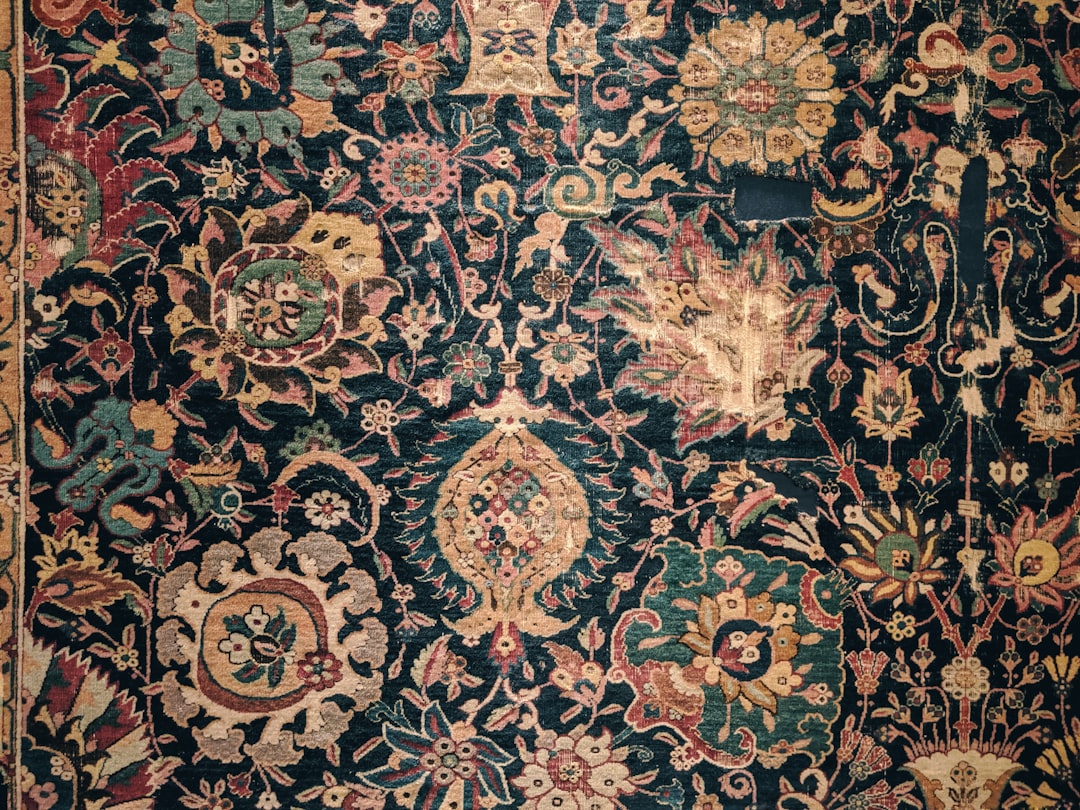
A Comprehensive Guide to Turkish Oushak Rugs: History, Patterns, and Care is essential for understanding the intricacies of these exquisite pieces. Turkish Oushak rugs have been a staple of home decor for centuries, prized for their unique patterns, rich colors, and exceptional craftsmanship. As a professional rug care specialist, I can attest to the fact that these rugs require special attention to maintain their beauty and longevity. In this article, we will explore the history of Turkish Oushak rugs, examine their distinctive patterns, and provide guidance on how to care for and maintain these exceptional rugs, including the importance of Rug Cleaning and Rug Padding.
Introduction to Turkish Oushak Rugs: History and Significance
The origins of Turkish Oushak rugs date back to the 16th century, when they were first woven in the Oushak region of western Anatolia. These rugs were highly prized by the Ottoman Empire for their exceptional quality and beauty, and were often used to adorn palaces and other important buildings. Over time, the production of Turkish Oushak rugs spread throughout the region, with different villages and towns developing their own unique styles and techniques. Today, Turkish Oushak rugs are highly sought after by collectors and connoisseurs, and are considered some of the most valuable and prestigious rugs in the world, often classified as Antique & Vintage Rugs.
Turkish Oushak rugs are characterized by their intricate patterns, which often feature floral motifs, geometric shapes, and curvilinear designs. The colors used in these rugs are typically rich and muted, with a focus on reds, blues, and yellows. The construction of Turkish Oushak rugs is also notable, with many rugs featuring hand-knotted or hand-woven techniques. For those interested in learning more about the history of rug-making, I recommend reading Unraveling the Rich Tapestry of Moroccan Rugs History, which provides valuable insights into the evolution of rug design and production.
Understanding the Different Types of Turkish Oushak Rugs
There are several main types of Turkish Oushak rugs, each with its own unique characteristics and features. Some of the most common types include Oushak Palace Rugs, Oushak Village Rugs, and Oushak Tribal Rugs. Oushak Palace Rugs are known for their large size and intricate designs, which often feature elaborate floral motifs and geometric shapes. Oushak Village Rugs, on the other hand, are smaller and more rustic, with simpler designs and a more subdued color palette. Oushak Tribal Rugs are known for their bold, vibrant colors and geometric patterns, which are often inspired by the traditional designs of Turkish tribal groups. These rugs can be further categorized into Classic & Traditional Rugs, which are highly prized for their timeless beauty and exceptional craftsmanship.
In addition to their unique designs and constructions, Turkish Oushak rugs are also prized for their exceptional quality and durability. Many of these rugs are made from high-quality wool and natural dyes, which give them a rich, luxurious appearance and a long lifespan. With proper care and maintenance, Turkish Oushak rugs can last for generations, making them a valuable investment for any rug collector or enthusiast. It’s essential to understand the Understanding Rug Knot Density to appreciate the intricacies of Turkish Oushak rugs.
Caring for and Maintaining Turkish Oushak Rugs
Caring for and maintaining Turkish Oushak rugs requires special attention and care. As with any rug, it is essential to vacuum regularly to remove dirt and dust, and to spot clean any spills or stains immediately. However, Turkish Oushak rugs also require periodic deep cleaning to remove embedded dirt and restore their natural luster. It is also important to use a Rug Padding to prevent slipping and sliding, and to protect the floor from damage. For more information on how to clean and maintain your Turkish Oushak rug, I recommend consulting a professional rug care specialist or visiting our Rug Cleaning page.
In addition to regular cleaning and maintenance, it is also important to protect Turkish Oushak rugs from moth damage and other pests. This can be done by using Rug Moth Protection services, which can help to prevent damage and extend the life of the rug. By taking the time to properly care for and maintain your Turkish Oushak rug, you can help to ensure that it remains a beautiful and valuable part of your home decor for generations to come. Understanding the Natural vs Synthetic Rug Dyes is also crucial in maintaining the authenticity and value of your Turkish Oushak rug.
My Experience with Turkish Oushak Rugs: A Professional Rug Care Specialist’s Perspective
As a professional rug care specialist, I have had the privilege of working with numerous Turkish Oushak rugs over the years. One of the most memorable experiences I had was with a client who owned a rare and valuable Oushak Palace Rug. The rug was in excellent condition, but it had not been cleaned in many years and was in need of a deep cleaning to restore its natural luster. I worked with the client to develop a customized cleaning plan, which included a combination of hand washing and dry cleaning techniques. The result was stunning, with the rug looking like new and the client thrilled with the outcome. This experience highlights the importance of proper care and maintenance in preserving the beauty and value of Turkish Oushak rugs.
In my experience, Turkish Oushak rugs are some of the most beautiful and valuable rugs in the world. Their unique patterns, rich colors, and exceptional craftsmanship make them a true treasure for any rug collector or enthusiast. Whether you are looking to add a touch of elegance to your home decor or invest in a valuable and rare piece of art, Turkish Oushak rugs are an excellent choice. I recommend visiting our Contemporary & Modern Rugs page to explore the latest designs and trends in the world of Turkish Oushak rugs.
Frequently Asked Questions about Turkish Oushak Rugs
What is the History of Turkish Oushak Rugs?
The history of Turkish Oushak rugs dates back to the 16th century, when they were first woven in the Oushak region of western Anatolia. Over time, the production of Turkish Oushak rugs spread throughout the region, with different villages and towns developing their own unique styles and techniques.
For those interested in learning more about the history of Turkish Oushak rugs, I recommend reading about the Choosing the Perfect Living Room Rug Size for Your Space, which provides valuable insights into the evolution of rug design and production. Understanding the history and significance of Turkish Oushak rugs is essential in appreciating their beauty and value.
How Can I Tell if My Turkish Oushak Rug is Authentic?
To determine if your Turkish Oushak rug is authentic, look for signs of high-quality materials and construction, such as the use of natural dyes and hand-knotted or hand-woven techniques. You can also research the rug’s history and provenance to verify its authenticity.
It’s essential to work with a reputable dealer or consultant to ensure that your Turkish Oushak rug is genuine and of high quality. I recommend visiting our Rug Appraisal page to learn more about the appraisal process and how to determine the value of your Turkish Oushak rug.
Can I Clean My Turkish Oushak Rug at Home?
While it is possible to clean your Turkish Oushak rug at home, it is generally recommended to have it professionally cleaned to avoid damaging the rug. However, if you do decide to clean your rug at home, make sure to use gentle cleaning products and techniques to avoid damaging the rug.
For more information on how to clean and maintain your Turkish Oushak rug, I recommend visiting our Rug Cleaning page. It’s essential to take the time to properly care for and maintain your Turkish Oushak rug to ensure that it remains a beautiful and valuable part of your home decor for generations to come.
Sources:
Oushak
The Metropolitan Museum of Art
