


What Color Rug Goes With Brown Curtains? A Rug Specialist’s Pairing Guide
November 7, 2026
What Color Rug Goes With Black Furniture? A Rug Specialist’s Pairing Guide
November 9, 2026
Rugs washable by design give busy households a practical alternative to replacing a ruined kitchen mat every year. I have spent years pulling coffee-stained wool kilims and shrunken jute runners out of client homes, so I hear this question constantly. Washable construction works, but it has limits. This guide covers how the construction works, which rooms suit it, how to wash it correctly, when to replace it, and how it compares with hand-knotted wool. Wool and silk still belong with a professional, and our Rug Cleaning team handles those pieces by hand.
Key takeaways
- Washable rugs are made from synthetic fibers like polyester or polypropylene that hold their shape and color through full washing, unlike wool or silk.
- Kitchens, bathrooms, entryways, and mudrooms suit washable rugs best, since spills, moisture, and heavy foot traffic happen there daily.
- Wash these rugs on a cold, gentle cycle with mild liquid detergent, skip bleach and fabric softener, and air-dry them flat.
- Check the manufacturer’s rated wash-cycle lifespan before buying, since latex backing and pile typically wear down after 50 to 100 washes.
- Washing a hand-knotted wool or silk rug in a home machine can cause felting, color bleeding, and fringe damage, so send those to a professional.
Matching rugs
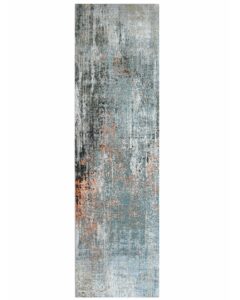
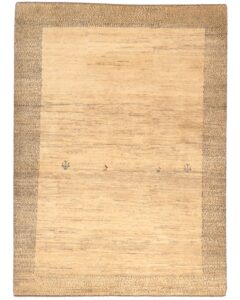
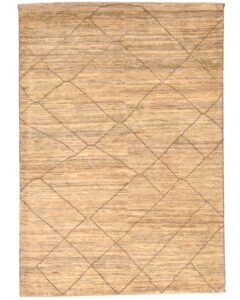
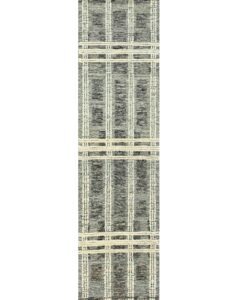
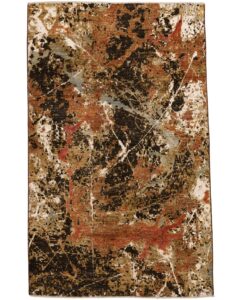
These rugs suit the low-maintenance, high-traffic spaces the article described, from kitchens to entryways, with styles that pair practicality and good looks.
What Makes Rugs Washable Different From a Traditional Area Rug?
A washable rug is built from synthetic materials that survive full-immersion washing. You can run it through a home machine or rinse it with a garden hose. Most use low-pile polyester, polypropylene, or a cotton-polyester blend. Many carry a thin non-slip latex or TPR (thermoplastic rubber) backing. Folded two-sided flatweaves skip the backing entirely. Ruggable popularized a two-piece system: a grippy pad underneath and a removable top cover that fits a residential washer on a cold, gentle cycle. Learn more about Rug Cleaning.
Fiber chemistry explains the gap with hand-knotted pieces. Wool and silk are natural protein fibers that react badly to agitation, heat, and long soaking. Improperly washed wool can felt and shrink by 10-15%, and natural dyes can bleed in alkaline detergent. Synthetic fibers repel water, hold their dimensions, and stay colorfast under agitation. Under my loupe, the pile on these rugs is almost always cut or looped polyester, tufted tightly into a polyester or cotton scrim. A hand-knotted Persian rug of the same 5×7 size needs professional washing, usually $150-$400 depending on fiber and size.
- Pile fiber: polyester, polypropylene, or cotton-polyester blend
- Pile density: 150-300 denier in the samples I have examined
- Backing: thin latex or TPR, or none on folded flatweaves
- Wash setting: cold water, about 86°F (30°C), gentle cycle
- Drying time: roughly 2-4 hours
Which Rooms Suit a Washable Rug Best?
A washable rug earns its place in rooms where spills, foot traffic, and moisture happen daily. I most often recommend it for kitchens, bathrooms, entryways, and mudrooms. Kitchen floors show the clearest benefit. Grease splatter and dropped sauce collect in front of the sink and stove. A low-pile synthetic rug there can be unzipped, washed, and back on the floor within 2-3 hours including drying. A wool runner needs days to dry fully after a deep clean.
Entryways put washable construction under the heaviest load. De-icing salt, grit, and mud grind into a traditional pile and speed up wear. A washable mat at the door catches that debris without a professional appointment every few weeks. Clients in snowy regions who wash their entry mats every 10-14 days in winter show less fiber crushing and salt buildup than those who wait a full season. A hand-knotted wool entry rug in the same spot typically needs professional cleaning two to three times a year.
Do Washable Runner Rugs Hold Up in Hallways and Galley Kitchens?
Washable runner rugs generally hold up well in hallways and galley kitchens, though length limits matter more than buyers expect. Runners over 8 feet are awkward to fit into a standard washer. Many manufacturers cap washable runners at 2.5 x 7 feet. Others sell modular sections that zip together.
Kitchen runners face extra stress from narrow widths, usually 24-30 inches, and constant traffic at the sink. The backing takes more mechanical wear per wash. Check the manufacturer’s rated wash-cycle lifespan before buying. Reputable brands publish it, typically between 50 and 100 washes before the latex starts to degrade or the pile thins.
How Do You Wash a Machine-Washable Rug Correctly?
A machine-washable rug needs a cold gentle cycle, a mild liquid detergent, and a no-heat or low-heat finish. Read the care label first, because synthetic rugs do not all tolerate identical settings. Skip bleach and fabric softener. Both can break down backings and leave residue in the pile. Hot water cracks or peels latex, which is the most common wash mistake I see.
Bathroom rugs need slightly different handling than kitchen pieces. Humidity and moisture trapped against tile or vinyl invite mildew. I tell clients to air these rugs out fully between washes. A damp bath mat left folded in a hamper can develop a musty odor within 48-72 hours, because the backing holds moisture against the fibers. For fiber-specific methods beyond synthetics, our guide on how to wash rug types covers each material.
- Pre-wash: shake out debris and vacuum on low suction to protect the washer drain
- Stain treatment: apply a mild enzymatic cleaner at least 15 minutes before washing
- Water temperature: cold only
- Drying: air-dry flat to preserve the backing and prevent shrinkage
- Rotation: turn the rug 90 degrees every 2-3 months to even out wear
What Happens If You Wash a Non-Washable Rug by Mistake?
A hand-knotted wool, silk, or natural-fiber rug usually suffers irreversible felting, color bleeding, and fringe damage in a single home machine cycle. Wool fibers carry microscopic scales that lock together under heat, moisture, and agitation. Felt-makers use the same mechanism on purpose. An accidental wash can shrink a rug by an inch or more per linear foot.
Stop all drying the moment you notice the damage. Do not run a second wash to fix the shrinkage. Our team performs Rug Repair & Restoration on rugs damaged this way. Full fiber relaxation and reshaping is not always possible once the felting sets, so speed matters.
How Long Do Machine-Washable Synthetic Rugs Last Before Replacement?
Machine-washable synthetic rugs realistically last 3-5 years before the pile flattens permanently or the backing delaminates. Wash count matters as much as age. Reputable brands rate their backings for 50-100 washes. A rug washed weekly in a busy kitchen reaches that range far sooner than one washed monthly in a guest hall.
Use a decision rule rather than guessing. If the rug only slips, add a pad and keep it. If the backing peels, cracks, or sheds fibers into the drum, replace the rug. Weight also predicts durability. In my experience, rugs under 1,200 GSM (grams per square meter) flatten and pill noticeably faster. Check the rating before you buy.
- Corners curl: add a pad, keep using the rug
- Grip fades: add a pad, keep using the rug
- Backing cracks or peels: replace
- Pile thins to the scrim: replace
- Fibers shed in the drum: replace
More matching rugs
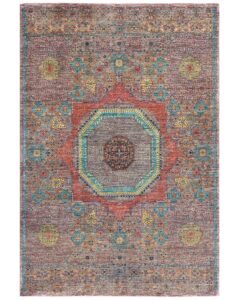
Another set of rugs that follow the same colors and style as this guide.


Washable Rugs vs Hand-Knotted Wool: Which Fits Your Home?
Washable synthetics trade longevity for convenience, while hand-knotted wool trades convenience for longevity. A well-kept hand-knotted rug from Tabriz or Heriz can last 50-100 years and often appreciates in value. Synthetic washables have a flatter, more uniform pile and little regional design heritage. Hand-knotted pieces carry weaving traditions, natural dye variation, and knot-density details that appraisers evaluate closely. Browsing our Classic & Traditional Rugs shows the difference in hand-spun wool texture and dye saturation right away.
Households with young children, pets, or heavy traffic usually favor washable construction on practicality alone. Deep-cleaning in under three hours beats hiring a service and waiting days for a wool rug to dry. Many of my clients run a hybrid: washable rugs in the kitchen and entry, and a hand-knotted piece in the living or dining room where traffic is lighter. The table below shows the core differences I walk clients through during consultations.
| Feature | Machine-Washable Synthetic Rug | Hand-Knotted Wool Rug |
|---|---|---|
| Typical Lifespan | 3-5 years | 50-100 years |
| Cleaning Method | Home washer, cold cycle | Professional hand-wash only |
| Drying Time | 2-4 hours | 24-72 hours |
| Average Price (5×7) | $80-$250 | $800-$5,000+ |
| Stain Resistance | High (synthetic fiber, low absorbency) | Moderate (natural fiber absorbs liquid) |
| Resale/Appreciation Value | None | Can appreciate over decades |
| Best Placement | Kitchens, entryways, bathrooms, kids’ rooms | Living rooms, dining rooms, formal spaces |
My Experience With Washable Rugs in the Workshop
Washable rug requests in my workshop climbed around 2019, mostly from young families who had read about the category online. My first reaction was skepticism. I had spent so long with natural fibers that a rug built to survive a washing machine felt almost disposable. I expected quick failures.
Tracking real wear in client homes softened that view. One household with two large dogs and three kids put a synthetic washable runner through roughly 40 wash cycles over 18 months. The pile still showed reasonable resilience. The corners had started to curl, and the backing had lost some grip. I now recommend Rug Padding under even washable styles. The pad adds little cushioning, but it offsets backing wear and stops slipping on hardwood or tile.
Brand differences surprised me most. Two rugs that looked nearly identical off the shelf aged very differently. Some tufted backings shed loose fibers into the drum after only 15-20 cycles. Denser, tightly woven options kept their shape past 60 washes with minimal fading. I now tell clients to check the GSM rating first, since weight predicts durability better than appearance.
Final picks
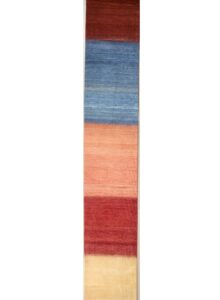
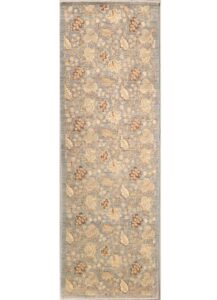
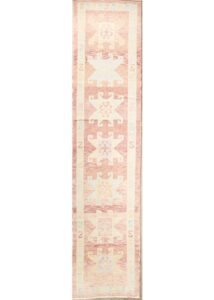
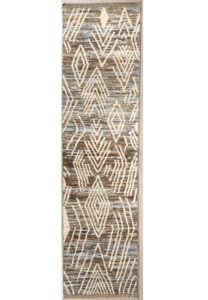
One last row of rugs chosen to go with the ideas above.
Washable Rug Questions Answered
Clients ask the same handful of questions about care, placement, and durability. The answers below reflect what I see in the workshop.
Each answer stands alone, so skip to the one you need.
Can You Put a Washable Rug in the Dryer?
A washable rug can go in the dryer only on the lowest heat, and air-drying is safer. Heat can warp or crack latex and TPR backings. If you must use a dryer, remove the rug while slightly damp and finish drying it flat.
Are Washable Bath Rugs Safe in Humid Bathrooms?
Washable bath rugs work well in humid bathrooms when they dry fully after each use. Hang the rug or lay it flat between showers. A rug left bunched against a damp floor can grow mildew in the backing within 48-72 hours.
How Often Should a Washable Kitchen Rug Get Cleaned?
A washable kitchen rug needs washing every 2-3 weeks under moderate use. Homes with pets, children, or heavy cooking often need weekly washes. Spot-clean spills immediately instead of waiting for the next scheduled wash, which reduces staining significantly.
Will Machine-Washable Rugs Shrink After Many Cycles?
Quality machine-washable rugs resist shrinkage and typically lose less than 2-3% of their dimensions after 50+ cold cycles. Hot water and high-heat drying cause most unexpected shrinkage. Follow the care label and stay with cold, gentle settings.
Is Buying Washable Rugs a Smart Long-Term Investment?
Washable rugs are a practical short-to-medium-term solution, not a long-term investment. Most last 3-5 years, while hand-knotted wool lasts decades. For sizing, materials, and budget ranges, our complete guide to choosing and maintaining a washable rug goes deeper.
Sources
U.S. Environmental Protection Agency – Indoor Air Quality
