

How to Use Navajo Flat Weave Rugs in Southwestern Decor Rugs Design
August 15, 2026Outdoor Rugs Guide: How to Choose, Size, and Maintain a Patio Rug
August 19, 2026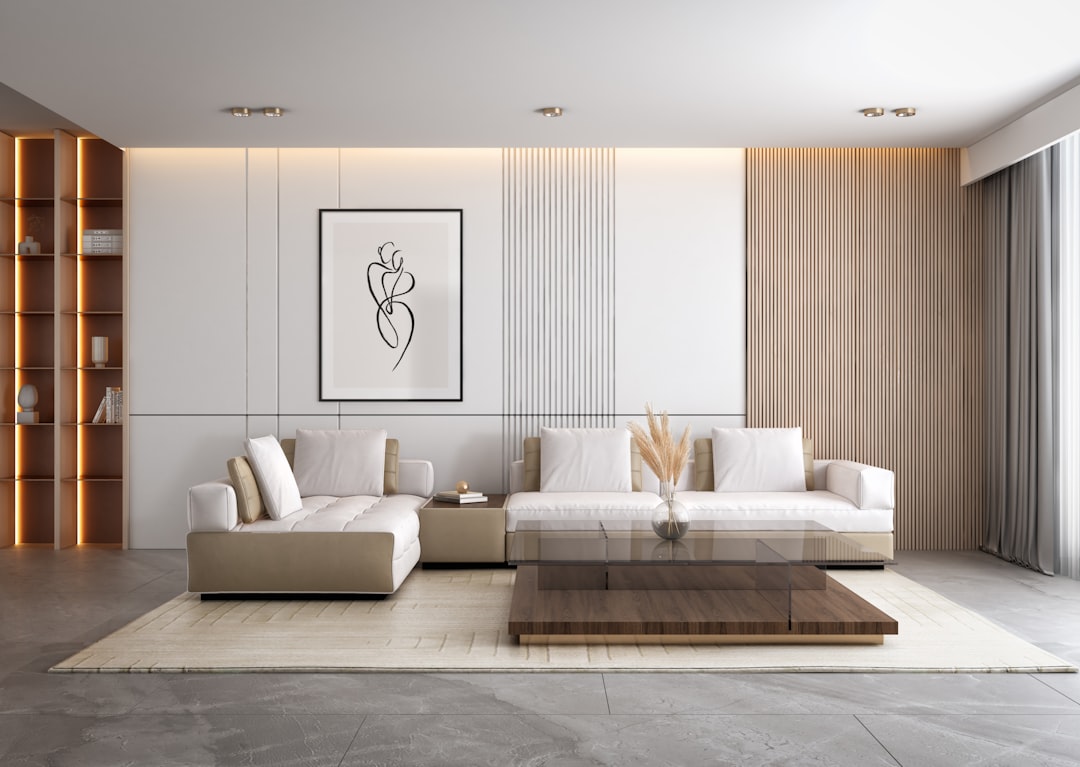
After two decades of handling wool, silk, and wool-silk blends across hundreds of client homes, I’ve noticed a clear shift in what people bring into my workshop for cleaning consultations or ask me to help them shop for: fewer busy medallions, far less ornate border work, and a growing pull toward choosing minimalist decor rugs for a calm, contemporary home rather than the dense, patterned pieces that dominated the market a generation ago. Selecting the right piece for a pared-down interior isn’t as simple as grabbing anything solid-colored off a showroom floor. Fiber choice, pile height, weave construction, and even dye lot consistency all affect how a rug performs in a space where every object is meant to earn its place. This guide walks through what actually separates a well-made minimalist rug from one that will pill, shed, or look tired within a year, drawing on what I’ve seen firsthand while repairing, restoring, and appraising these pieces for clients across Colorado.
What Defines a Minimalist Rug for a Calm, Contemporary Home?
A rug earns its place in a calm, contemporary home through restraint rather than absence — it typically features a single dominant color or two closely related tones, a low-contrast pattern (or none at all), and a construction that emphasizes texture over ornamentation. Think hand-loomed wool in oatmeal, charcoal, or greige, or a flatweave with a subtle herringbone rather than a printed geometric. The goal is a surface that reads as quiet from across the room but rewards a closer look with texture, sheen variation, or a slight color drift within the fiber itself.
This differs from simply picking the plainest rug on the floor. A genuinely well-made minimalist piece still carries design intention — often an asymmetrical weave density, a tonal border only a shade or two off the field color, or natural fiber irregularities (common in undyed wool or jute) that keep the eye engaged without introducing visual noise. Cheaper synthetic alternatives try to mimic this look with flat, uniform color and end up resembling carpet remnants more than considered floor pieces. Understanding this distinction is the difference between a rug that ages gracefully and one that looks tired within eighteen months.
How Do Simple, Low-Pattern Rug Designs Differ from Traditional Patterned Rugs?
Simple rug designs strip out the dense medallions, paisleys, and layered borders typical of Persian or Oushak weaving in favor of one to three design elements at most — often just a field color, a narrow border, and a texture change. Traditional rugs rely on pattern density to disguise wear and soil between cleanings; minimalist rugs cannot hide behind busy motifs, so the underlying quality of the fiber and weave has to be higher to begin with.
I’ve restored antique Persian rugs where thirty years of foot traffic were nearly invisible thanks to a fifteen-color palette breaking up any visual wear pattern. A solid ivory wool rug carrying the same traffic pattern shows soiling within 6 to 12 months if it isn’t vacuumed on a regular schedule. That doesn’t make a low-pattern approach impractical — it just means owners need to be more intentional about placement and upkeep. For anyone comparing the two aesthetics directly, our guide on understanding the difference between antique and vintage rugs is a useful companion read.
How Do You Select a Calm, Contemporary Living Room Rug?
Selecting a minimalist living room rug comes down to three measurable factors: fiber content, pile height, and color value relative to your flooring and walls. Wool remains the benchmark for durability and hand-feel, typically running 40 to 60 ounces per square yard in quality construction, while a low pile height of 0.25 to 0.5 inches keeps the silhouette clean under low-profile furniture like platform sofas and floating media consoles.
Color value — how light or dark a shade reads under ambient light — matters more in pared-down rooms than in traditionally decorated ones, because there’s little pattern to distract from tonal clashes. A rug that’s even 10 to 15 percent lighter or darker than the surrounding wall color can look accidental rather than intentional. I generally recommend clients bring a swatch of their wall paint and a photo of their flooring when shopping, since showroom lighting can shift perceived tone by a full shade in either direction.
What Rug Sizes Work Best in a Pared-Down Living Room?
For a minimalist living room, the rug should extend at least 8 to 12 inches beyond the front legs of major seating pieces, with an 8-by-10-foot or 9-by-12-foot rug covering most standard 12-by-15-foot rooms without crowding the walkway space. Undersized rugs are one of the fastest ways to undercut a restrained layout, since a rug that looks stranded in the middle of a room draws attention rather than grounding it.
Beyond square footage, proportion relative to furniture height matters just as much. A rug with too much visual weight — heavy fringe, a thick 1-inch pile, or a strong border — can compete with low-slung furniture instead of supporting it. If you’re unsure how to calculate the right dimensions for your specific floor plan, our detailed breakdown on choosing the perfect living room rug size for your space walks through the measurements room by room.
Which Materials and Weaves Suit a Quiet, Uncluttered Aesthetic?
Natural fibers — wool, jute, sisal, and occasionally a wool-silk blend — consistently outperform synthetic options in restrained interiors because they hold dye more evenly and develop a subtle sheen with age rather than flattening into a dull, plastic-like surface. Flatweave and low-loop constructions in particular suit the look, since they lie close to the floor and avoid the shadow lines a thick pile can cast under directional lighting.
Jute and sisal bring an organic, matte texture that pairs well with concrete floors, light oak, or polished wood common in Scandinavian-influenced interiors, though they’re less forgiving with spills and require different maintenance than wool. Wool remains the more versatile choice for anyone browsing a Contemporary & Modern Rugs collection, since it resists soiling naturally due to its lanolin content and can be cleaned with standard wool-safe methods without losing its shape.
Which Weave Types Hold Up Best Under Daily Light and Traffic?
Flatweave, low-loop Berber-style construction, and hand-loomed wool with a tight, even weave density (generally 40 to 80 knots per square inch for hand-loomed pieces) photograph the cleanest and wear longest under daily foot traffic in low-pattern rooms. Anything with excessive shedding or an uneven pile height tends to catch shadows in natural light, undercutting the uniform look this style depends on.
Hand-knotted construction, while typically reserved for more ornate traditional rugs, is increasingly used for solid-color pieces as well, particularly in wool-silk blends that create subtle color shifts depending on viewing angle. These pieces cost more — often $80 to $200 per square foot depending on knot density and origin — but the tonal depth they offer is difficult to replicate in machine-made alternatives. For readers weighing hand-knotted versus machine-made construction more broadly, the comparison in our piece on how to choose rug color covers how weave type affects color perception under different lighting conditions.
| Material | Typical Pile Height | Best Use in Minimalist Rooms | Approximate Price Range (per sq ft) | Maintenance Frequency |
|---|---|---|---|---|
| Wool (hand-loomed) | 0.25″ – 0.5″ | Living rooms, bedrooms | $25 – $80 | Vacuum weekly, deep clean every 12-18 months |
| Wool-Silk Blend | 0.25″ – 0.4″ | Low-traffic formal spaces | $80 – $200 | Vacuum with brush attachment off, clean every 12 months |
| Jute | 0.3″ – 0.6″ | Dining areas, dry climates | $8 – $25 | Vacuum biweekly, avoid wet cleaning |
| Sisal | 0.3″ – 0.5″ | Entryways, low-humidity rooms | $10 – $30 | Vacuum biweekly, spot clean only |
| Flatweave Cotton/Wool Blend | 0.1″ – 0.2″ | Layered looks, kitchens | $15 – $45 | Vacuum weekly, machine-washable if small |
How Do You Maintain a Solid-Tone Rug So It Stays Looking Uniform?
Keeping a solid or low-pattern rug looking fresh requires more frequent, lighter maintenance rather than infrequent deep cleaning, since plain colors show soiling and traffic lanes far sooner than patterned rugs do. A weekly vacuum with a beater-bar-off setting for wool, paired with a professional wool-safe cleaning every 12 to 18 months, is generally enough to prevent visible graying along walkways.
Sunlight exposure is another factor owners underestimate. UV rays can fade a solid wool field unevenly within 6 to 9 months near south-facing windows, creating a visible line where furniture or a runner has blocked light. Rotating the rug 180 degrees every 3 to 4 months evens out this exposure. When a rug needs deeper attention — pet accidents, wine, or ground-in soil that a home vacuum can’t lift — a specialized Rug Cleaning service using pH-balanced, fiber-appropriate solutions prevents the yellowing or color bleed that harsh at-home treatments often cause on light, solid tones.
What Common Mistakes Damage Low-Pattern Rugs Fastest?
The most common mistake is using a general-purpose carpet cleaner or high-alkaline spot remover on wool or wool-silk rugs, which strips natural lanolin and leaves a dull, slightly yellowed patch that’s difficult to reverse without professional restoration. A close second is skipping a rug pad, which allows the backing to grip and stretch unevenly against hardwood or engineered flooring, eventually causing rippling that’s very visible on a plain, unpatterned surface.
Fringe neglect is another frequent issue on flatweave pieces — fringe left untrimmed and unbrushed tends to mat, yellow, and fray faster than the body of the rug itself, since it takes more friction from foot traffic and vacuum attachments. Our guide on when to repair rug fringes covers the warning signs before the damage spreads further into the weave. I’ve also seen moth damage go unnoticed for months on solid wool pieces simply because there’s no pattern to draw the eye toward a small chewed patch; a quarterly visual check, or a proactive Rug Moth Protection treatment, catches this before it spreads to the full pile.
How Should You Style and Layer Rugs in a Contemporary, Uncluttered Room?
Styling a rug for a quiet interior works best when it functions as a grounding element rather than a decorative focal point, letting furniture silhouette, wall color, and lighting carry the visual interest instead. A single tonal rug beneath a low sectional, paired with two or three sculptural objects rather than a dozen small accessories, reinforces the restraint the whole room is built around.
Layering, while less common in strict minimalist design, can still work if approached carefully — a jute base layer beneath a smaller wool-silk accent rug adds textural contrast without introducing competing patterns. This technique borrows from more eclectic design traditions, and our full walkthrough on layering rugs for a polished look explains how to keep the combination from reading as cluttered.
Which Rooms Benefit Most from a Restrained, Low-Contrast Rug?
Living rooms and primary bedrooms benefit most from restrained rug choices, since these are typically the spaces where residents spend concentrated downtime and want visual quiet rather than stimulation. A low-pile wool rug under a platform bed, extending 18 to 24 inches beyond each side, creates the same grounding effect a living room rug provides beneath seating.
Bedrooms in particular reward this approach because color and texture read differently under the warmer, lower ambient lighting typical of that space. For guidance on getting placement and sizing right in that specific room, the walkthrough on bedroom rug placement covers proportion rules that apply directly to solid and low-pattern rugs. Entryways and dining rooms, by contrast, tend to need more pattern-forward or durable options like those found in an Abstract Rugs collection, since higher soil exposure makes solid, unpatterned rugs harder to maintain there.
My Experience with Choosing Minimalist Decor Rugs for a Calm, Contemporary Home
Over the past several years I’ve watched demand shift noticeably toward solid wool and low-contrast flatweave pieces, especially among clients renovating mid-century or Scandinavian-style homes. One case that stands out: a client in a newly built loft brought in an ivory wool rug after only eight months of use, convinced it was defective because of visible gray traffic lanes near the kitchen island. The rug wasn’t faulty — it simply hadn’t been vacuumed on a schedule appropriate for a light solid color under daily foot traffic. After a professional cleaning restored the pile and we set up a biweekly vacuuming routine plus quarterly rotation, that same rug has held its appearance for three years now.
I’ve also handled several restoration cases involving handwoven wool-silk pieces where moth damage went undetected for months, simply because there was no pattern to mask the early signs. In one instance, a small chewed section near a baseboard had spread to nearly six square inches by the time it was caught. Reweaving that section required matching both fiber sheen and dye lot almost exactly, since any mismatch would have been glaringly obvious on such a plain field — something that would have been far less noticeable on a densely patterned traditional rug, a repair challenge I go into more detail on in our piece about fixing moth damage on rug pile. These cases taught me to recommend proactive moth treatment and quarterly inspection specifically for solid and low-pattern rugs, since they show damage differently than heavily patterned pieces do. For anyone dealing with fraying, pile loss, or reweaving needs on a solid-tone piece, a proper Rug Repair & Restoration assessment early on prevents small issues from requiring a full rebuild later.
FAQ
Are minimalist decor rugs harder to keep clean than patterned rugs?
Yes, in the sense that soiling and traffic patterns show up faster on solid or low-contrast surfaces, but they aren’t inherently harder to maintain with the right schedule — weekly vacuuming and a professional wool-safe cleaning every 12 to 18 months typically keeps them looking uniform.
What color works best for a calm, contemporary living room rug?
Neutral tones like oatmeal, greige, warm ivory, and charcoal work best because they read as quiet from a distance while still offering subtle texture up close; the specific shade should stay within about 10 to 15 percent of your wall color’s lightness value to avoid looking mismatched.
Can natural fiber rugs like jute or sisal work in a low-pattern bedroom?
They can, though wool is generally the better choice for bedrooms since it’s softer underfoot and holds up better in lower-traffic, barefoot-heavy spaces, while jute and sisal are better suited to entryways or dining areas with more foot traffic and less direct skin contact.
How often should a solid wool rug be professionally cleaned?
Most solid wool rugs in moderate-traffic rooms need professional cleaning every 12 to 18 months, though homes with pets or near-daily use may need it closer to every 9 to 12 months to prevent soil buildup from becoming visible on the lighter, unpatterned surface.
Does a rug pad matter for a plain, solid-colored rug?
Yes — a quality rug pad prevents slipping, reduces backing wear, and stops the rippling that becomes especially noticeable on a plain, solid-colored surface; pairing the right rug with proper Rug Padding also extends the rug’s usable lifespan by several years in most cases.
Sources
