


What Color Rug Goes With Brown Furniture or a Brown Leather Couch?
November 20, 2026
What Color Rug Goes With Sage Green Walls? A Rug Specialist’s Pairing Guide
November 22, 2026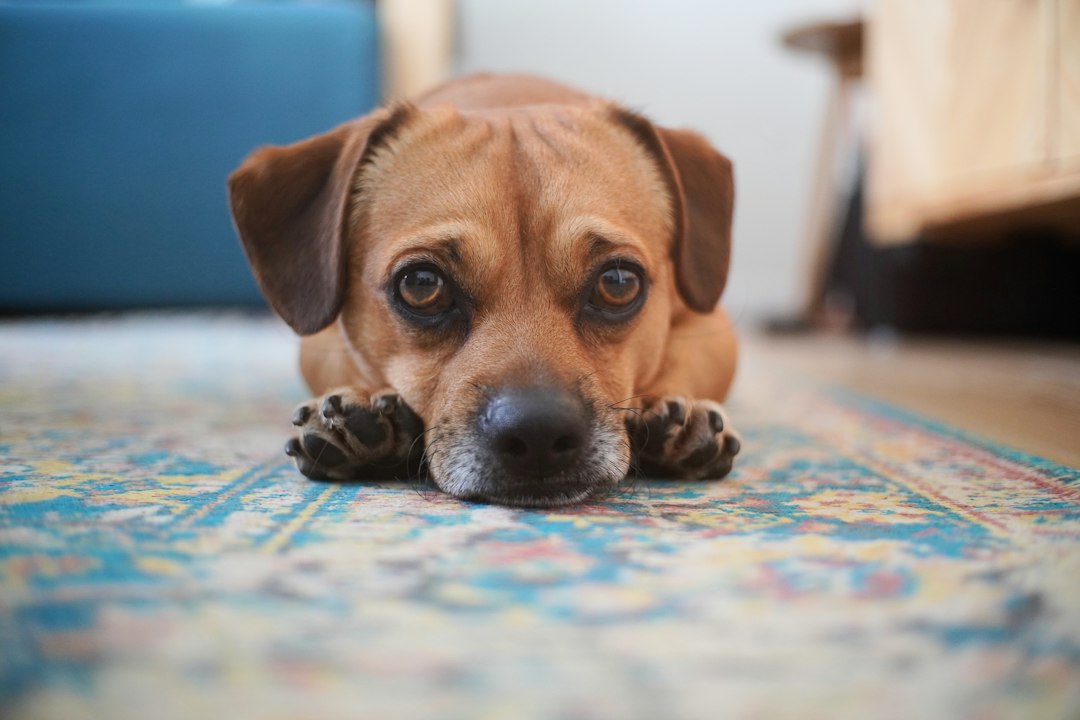
Pet proof rugs combine fiber choice, weave construction, and color strategy to survive claws, accidents, and daily shedding. After years of pulling rugs out of homes with dogs, cats, and the occasional indoor rabbit, I can say the category is real and not marketing fluff. This guide covers which materials resist moisture and odor, which weaves survive scratching, and which patterns hide mess between cleanings. It also explains how to remove lingering smells and when a stain-resistant treatment makes more sense than replacing the rug. Our professional Rug Cleaning team sees every failure mode described below.
Key takeaways
- A pet proof rug combines fiber choice, weave construction, and finishing treatment, because no single fabric resists moisture, claws, and shedding on its own.
- Polypropylene resists spills best, nylon handles claws and heavy traffic best, and flatweave wool controls odor best among the common pet rug fibers.
- A nylon-polypropylene blend gives multi-pet households the best middle ground, pairing abrasion resistance with moisture repellency at a mid-range price.
- Wool works for pets when it is a flatweave or low-pile style and you clean accidents within 15 to 30 minutes.
- Dense pile and tightly twisted yarn last longer under pets, while low-grade shag and loop styles fail most often when claws catch them.
What Makes a Rug Genuinely Pet Proof?
A pet proof rug resists moisture, tolerates scratching, and releases hair during vacuuming. Three engineering factors deliver that result: fiber chemistry, pile construction, and finishing treatment. No single fabric does the job alone. The real test arrives when a puppy has an accident at 2 a.m. and the rug has to hold the liquid on its surface until morning. Learn more about Rug Cleaning.
Synthetic fibers such as polypropylene and nylon repel water, so liquid beads on the surface instead of wicking into the core. That buys you minutes to blot before a stain sets. Wool offers a different advantage, because its scale structure and natural lanolin give moderate stain and odor resistance. Wool still demands faster action than synthetics when urine or vomit lands on it. Flatweave and low-pile constructions give claws fewer loops to snag and leave less depth for dander to settle. Home-cleaning limits matter too, and our wash area rug guide explains them.
Can Fiber Density Change How Long a Pet Rug Lasts?
Fiber density directly affects rug lifespan, because a denser pile absorbs more wear before it crushes or thins where pets nap, pace, or scratch. Manufacturers measure density in ounces per square yard or grams per square meter (gsm). Higher numbers mean more fiber per square inch and better recovery between cleanings. Dense pile also resists permanent paw-print indentation.
Twist level works alongside density. Yarn twist is counted in twists per inch (TPI), and tightly twisted yarn resists untwisting and fuzzing when claws catch it. I have re-bound several edges on rugs where low-twist loops were pulled loose by a cat within a single season. Low-grade shag and loop styles fail this test most often. Twist count is one of the first specs I check on a label, and I ask the manufacturer directly when the label is silent.
Matching rugs
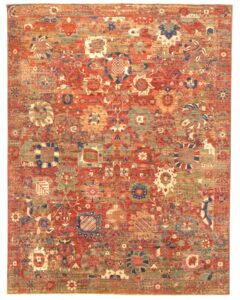
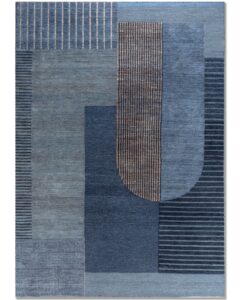
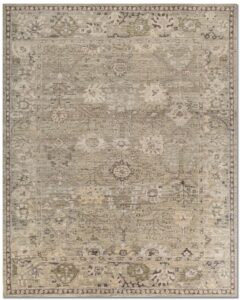
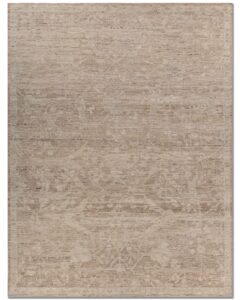
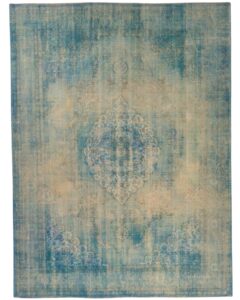
These low-pile and flatweave styles match the durable, easy-to-clean qualities the article recommends for homes with dogs, cats, and other pets.
Which Materials Work Best for Pet Proof Rugs?
Polypropylene, nylon, polyester blends, and flatweave wool such as Kilim perform best in pet households. Each resists moisture, abrasion, or odor absorption better than standard cut-pile wool or silk. No fiber wins every category, so your main priority decides the choice: accident cleanup, scratch resistance, or softness underfoot.
Polypropylene (sold as olefin) suits spill-prone homes because it absorbs almost no water. Urine, wine, and muddy paw prints sit on the surface, and the fiber resists UV fading. Nylon delivers the best abrasion resistance of the group. Commercial carpet uses it because it survives heavy foot traffic, which suits a dog that paces by the door.
Is Wool a Safe Fiber for Pet-Safe Rugs?
Wool works in pet households when it comes in a flatweave or low-pile construction and you clean accidents within 15 to 30 minutes. Wool absorbs liquid once its lanolin coating is overwhelmed. Hand-woven Kilims and Dhurries suit pets well because the tight, low-profile weave gives hair nowhere to hide. That weave also resists the crushing that hits cut-pile wool under months of paw traffic.
Alkaline urine breakdown products can discolor wool dyes and leave a stubborn smell when urine sits for several hours. I steer multi-pet clients toward Kilim Rugs or a flatweave Navajo-style piece instead of a plush Persian pile. Flat construction blots, rinses, and dries fully, with less risk of mold in the foundation.
Where Do Pet-Resistant Rug Fibers Differ Side by Side?
Pet-resistant rug fibers differ in stain resistance, odor control, claw tolerance, and price. The table below summarizes typical ratings based on fiber chemistry. Prices are approximate retail ranges and vary by maker and construction.
| Material | Stain Resistance | Odor Resistance | Claw and Abrasion Resistance | Approx. Price (per sq ft) |
|---|---|---|---|---|
| Polypropylene (Olefin) | Excellent | Good | Good | $3-$8 |
| Nylon | Very Good | Good | Excellent | $6-$12 |
| Wool (flatweave) | Moderate | Very Good | Good | $10-$25 |
| Wool (cut-pile) | Fair | Good | Fair | $15-$40 |
| Polyester blend | Good | Fair | Fair | $4-$9 |
Every row shows a tradeoff. Polypropylene wins on spills, nylon wins against claws, and flatweave wool wins on odor control. Cut-pile wool is the weakest performer under paws, though it feels best underfoot.
Which Fiber Blend Gives Pet Households the Best Balance?
A nylon-polypropylene blend gives multi-pet households the best middle ground. It pairs nylon’s abrasion resistance with polypropylene’s moisture repellency at a mid-range price. Machine-made rugs built for high-traffic residential use increasingly rely on this combination.
Wool-synthetic blends suit owners who want softness and will commit to faster cleanup. They keep some of wool’s natural odor control and add a structure that resists moisture penetration. Weigh the wool rows in the table against your willingness to blot within 30 minutes before you commit.
Which Weave and Pattern Hide Dog and Cat Mess Best?
Flatweaves, low-loop Berbers, and tightly woven Sumak or Kilim constructions hide pet mess best. They lack the deep pile pockets where hair, dander, and dried mud collect. Pattern matters as much as weave. A busy, multi-tonal design on a medium-to-dark ground masks shedding far better than a solid pale rug.
Tribal and Moroccan-inspired designs with irregular geometric motifs work as camouflage, because the eye follows the pattern instead of isolated marks. Solid ivory and pastel rugs show paw prints, drool, and fur almost immediately. They demand more frequent vacuuming and spot-cleaning to look presentable.
What Pattern Density Best Disguises Pet Shedding?
A pattern that shifts color every 2 to 4 inches across at least three tonal values disguises loose hair and light soiling best. Tribal medallions, multicolor Moroccan Beni Ourain-style diamonds, and Kilim stripes all fall in this range. They avoid looking busy because the tones stay close in value.
Heathered or space-dyed yarns carry two or three shades of one color family within each fiber. Those subtle shifts break the visual continuity that makes a single hair or smudge stand out. When clients browse our Tribal Rugs selection for pet households, I point them to heathered, multi-value pieces over flat single-tone dyeing.
What Specs Should a Pet-Friendly Rug Meet Before You Buy?
Six specs separate a rug that survives pets from one that only claims to. Check them on the label or ask the maker before purchase. A vague answer is itself a warning sign.
- Fiber blend: polypropylene-nylon or polyester-wool beats a single pure fiber for balanced stain resistance and softness.
- Pile height: under 0.5 inch (about 1.3 cm) reduces claw snagging and eases vacuuming.
- Pattern: at least three tonal values, spaced every 2-4 inches, camouflages shedding.
- Backing: latex or natural rubber rated for moisture resistance, not woven jute alone.
- Twist count: ideally above 5 TPI on loop or cut-pile constructions.
- Washability: machine-washable or cold-water-washable for rugs under 5×7 feet in high-accident zones.
Backing deserves the most scrutiny. Jute absorbs urine and holds odor for months, while a latex or rubber layer slows liquid before it reaches the foundation and the floor beneath.
More matching rugs
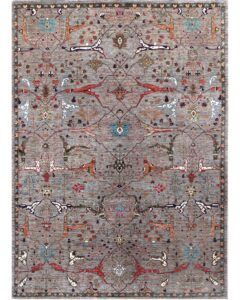
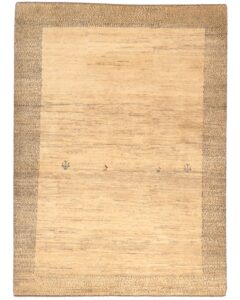
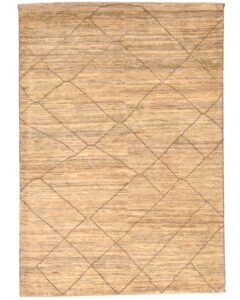
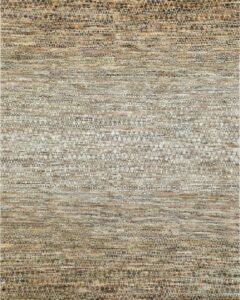
Another set of rugs that follow the same colors and style as this guide.
How Do You Match a Rug to Your Pet’s Behavior?
Match the rug to your pet’s dominant behavior, not to the species. A scratcher, a pacer, a puppy with accidents, a heavy shedder, and a fringe chewer each stress a rug differently. Use the rules below as a first filter.
- Scratcher (cats, many terriers): flatweave or tight-twist low pile; avoid loops and shag.
- Pacer (large dogs): nylon or dense flatweave wool; expect wear by doors and windows.
- Accident-prone puppy: polypropylene with latex backing, sized under 5×7 feet so it can be washed.
- Heavy shedder: multi-tonal pattern with a ground color close in value to the coat.
- Fringe chewer (rabbits, puppies): fringeless design or securely bound edges.
The coat-color rule saves more effort than any fiber upgrade. A heathered mid-brown rug hides tan and golden fur well, while the same rug shows white fur at once. Pick the ground color first, then the fiber.
Why Does a Pet-Resistant Rug Need Routine Maintenance?
A pet-resistant rug needs routine care because dander, oils, and acidic urine degrade even resilient synthetics when they sit in the pile for weeks. The routine is simple: vacuum at least twice weekly, blot accidents within minutes with an enzyme-based cleaner, and book deep extraction cleaning every 6 to 12 months depending on pet traffic.
Enzymatic cleaners break down the uric acid crystals in pet urine, which standard detergents cannot fully dissolve. That gap explains why a rug can look clean yet draw a dog back to the same spot. Our guide on how to clean dog pee from rug fibers covers the enzyme soak step by step, including dwell times and dilution ratios.
How Can You Remove Pet Odor From a Rug Once It Sets In?
Embedded pet odor needs a three-stage fix: a baking soda dry treatment left for 12 to 24 hours, an enzymatic solution applied to the backing where bacteria breed, and full air-drying to prevent mildew. Surface sprays and scented powders only mask the smell, because they never reach the bacterial colonies at the base of the pile.
Workshop cases that resist standard treatment almost always involve layered accidents over months. Urine reaches the jute or cotton foundation beneath a wool pile and stays there. Those rugs need a flush-and-extraction process with a mildly acidic rinse to neutralize alkaline urine salts, plus controlled airflow drying. I recommend professional Rug Cleaning for any rug older than a year with a persistent smell, since repeated home treatments push the problem deeper.
Which Mistakes Ruin a Rug in a Home With Dogs?
Four habits shorten a rug’s life more than any fiber choice. I see them repeatedly on rugs that arrive at the workshop.
- Scrubbing a fresh spot: rubbing spreads liquid and frays pile, so blot with pressure instead.
- Applying heat to urine: steam or hot water can lock odor and stain into the fiber.
- Skipping the pad: sliding causes curling edges and fraying where claws catch first.
- Relying on scented sprays: fragrance masks smell while bacteria keep working in the foundation.
Pad choice deserves its own attention. A quality pad adds a moisture barrier and stops creep on hard floors, while some low-grade pads can discolor floor finishes. Our Rug Padding service matches pad type to your flooring and rug weight.
My Experience with Pet Proof Rugs
Over close to fifteen years of handling rugs with claw snags, chewed fringe, and urine staining, I have learned that the households with the fewest long-term problems are rarely the ones who bought the most expensive rug. They matched fiber and weave to their pet’s behavior. A client with a 90-pound Labrador who paces by the window needs a different construction than someone with two indoor cats who scratch at corners. Treating those as one problem is where most rug damage starts.
One case stands out. A client insisted on using a hand-knotted wool Persian piece in a room with three cats. Within eight months we were repairing pulled pile along the border and treating embedded odor near a radiator leg the cats had claimed. We replaced it with a dense, low-pile Moroccan Rugs style piece in a multi-tonal pattern. The difference showed immediately, with fewer visible stains, easier vacuuming, and no further claw damage after eighteen months of use. That job is why I now steer pet owners toward flatweave and low-pile synthetic-wool blends, and keep high-pile investment pieces for formal, low-traffic rooms.
Indoor rabbits are the quiet destroyers. They chew fringe and edge binding long before the owner notices, and the damage often starts on the side hidden against a sofa. I now ask about the pet’s favorite corners during every consultation, because the wear map predicts the repair list.
Final picks
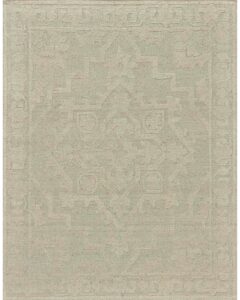
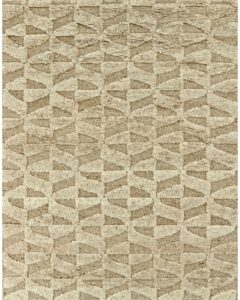
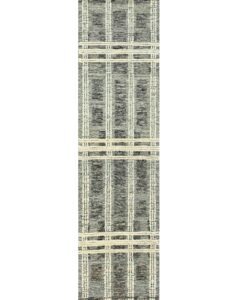
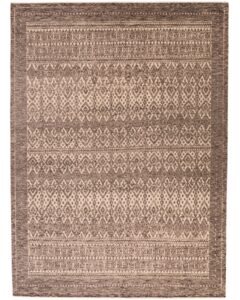
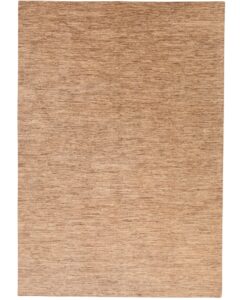
One last row of rugs chosen to go with the ideas above.
What Else Affects Rug Performance in a Pet Household?
Rug size, placement, and backing type affect pet-friendly performance as much as fiber does. A perfect material still fails in a spot where pets congregate without padding or ventilation underneath. A rug that traps moisture against hardwood, or odor against a cold concrete slab, develops problems regardless of its face-fiber rating.
Smaller rugs under 5×7 feet go into a standard washing machine or onto a faster professional rotation, which matters in multi-pet homes where accidents happen weekly. Larger rugs need a professional deep clean about every 6 months, compared with the 12-18 month interval typical of pet-free homes. That cadence keeps embedded bacteria and allergens from accumulating.
Does Rug Placement Affect Long-Term Pet Damage?
Rug placement directly affects pet damage, because entry points, feeding stations, and favorite resting spots concentrate wear and soiling in one patch. Concentrated use breaks down fiber faster, even on high-quality material. Rotating the rug 180 degrees every 3 to 4 months spreads that wear more evenly.
Direct sunlight compounds the issue, since UV exposure combined with pet dander and oils speeds fiber brittleness, especially in natural fibers. If a sunbeam is your pet’s napping spot, factor it into both fiber choice and rotation schedule. Chewed fringe and pulled pile are best caught early, and our Rug Repair & Restoration team handles this localized damage before it spreads into the field of the rug.
Pet Proof Rugs FAQ
Pet owners ask four questions most often before choosing a rug. Each short answer below comes with a little extra context.
What Is the Best Fiber for a Pet Proof Rug?
Polypropylene is the best fiber for a pet proof rug when moisture and stains are the main worry, because it does not absorb water into the yarn. Nylon beats it on abrasion resistance, which matters for large, active dogs.
Choose polypropylene for puppies and senior pets prone to accidents. Choose nylon for pacers and diggers.
Can a Stain Proof Rug Still Suffer Permanent Urine Damage?
A stain proof rug can still suffer permanent urine damage when urine sits for hours or days. Prolonged exposure lets uric acid salts crystallize in the backing and foundation, and surface stain resistance cannot prevent that.
Prompt blotting and enzymatic cleaning remain necessary whatever the fiber rating.
How Often Should Pet Owners Deep Clean a Rug?
Pet owners should schedule deep extraction cleaning every 6 to 12 months, closer to 6 for multi-pet homes, versus 12 to 18 months for pet-free homes. Dander, oils, and small accidents accumulate faster around animals and feed both odor and fiber wear.
Vacuum twice weekly and spot-treat accidents between professional visits.
Are Flatweave Rugs Always Better Than Cut-Pile for Pets?
Flatweave rugs usually resist claw snagging and clean more easily than cut-pile rugs, but they are not always the better pick. Dense cut-pile synthetics with a tight twist can still perform well in pet households.
Decide by behavior: scratchers and diggers favor flatweave, while shedders and nappers do fine on dense synthetic pile.
